

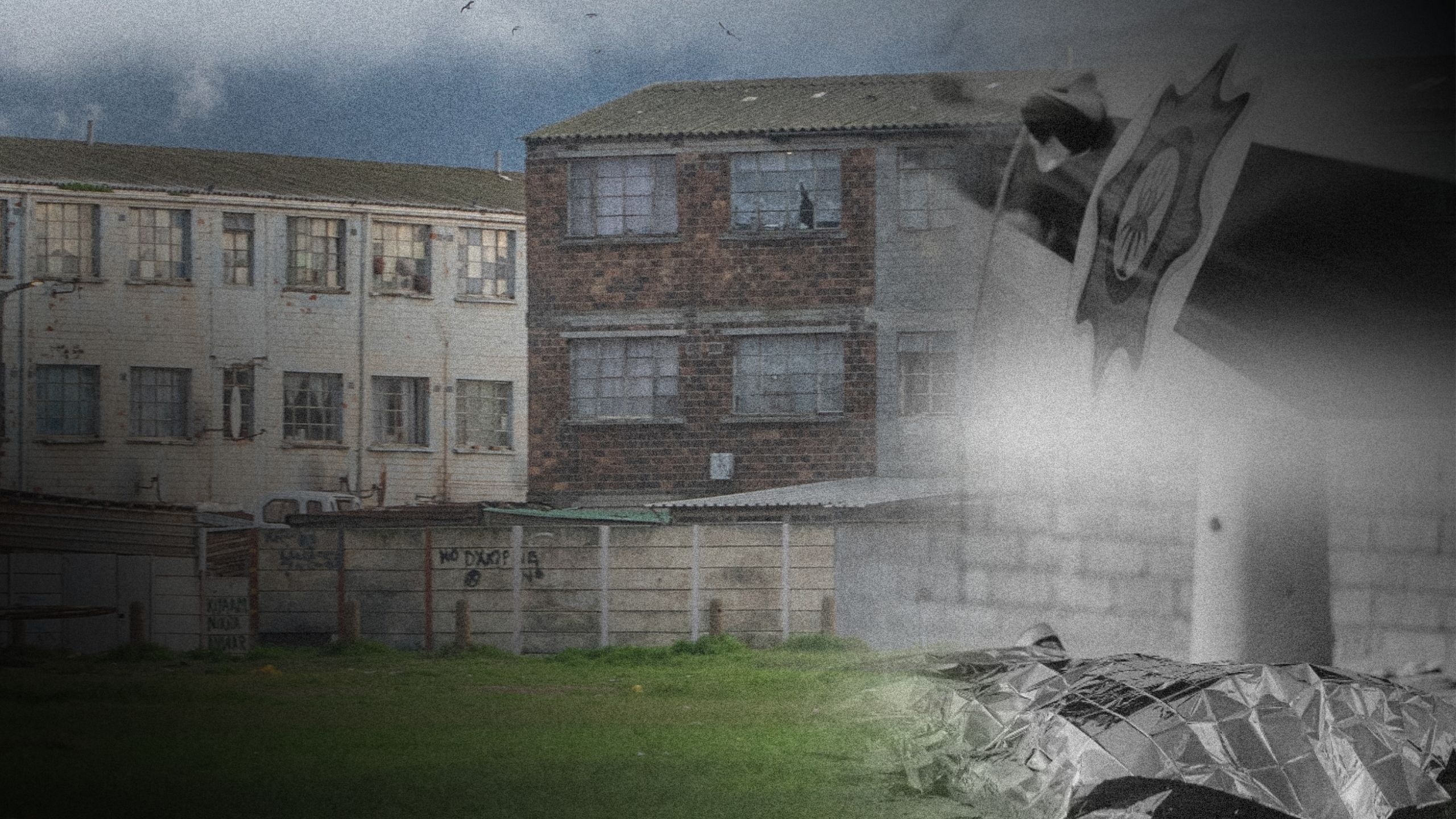


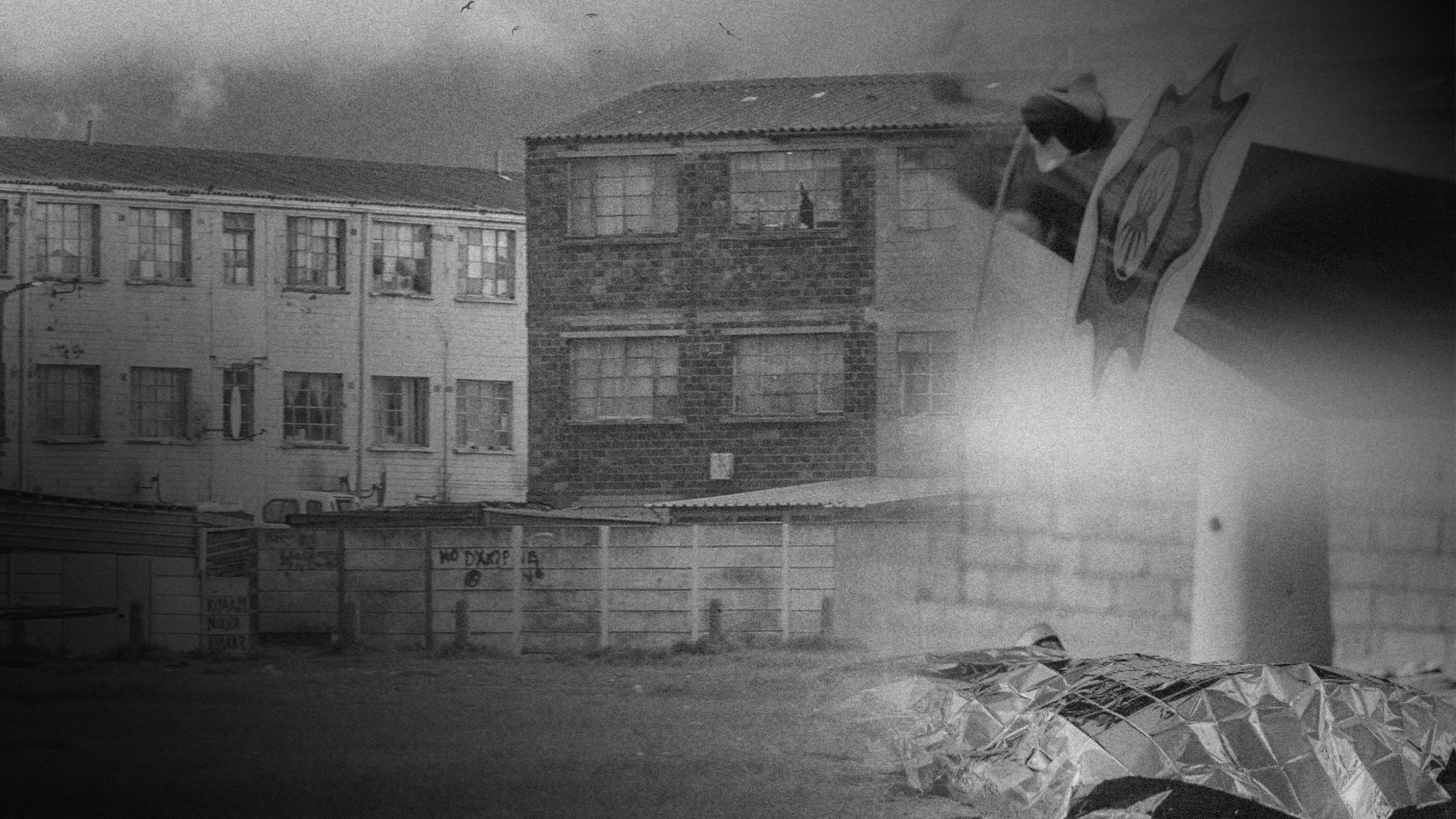
Forged by history, fuelled by drugs and guns, and unleashed through decades of neglect, corruption, and inequality, gangsterism is a scourge that has had time to develop into the violent force it is today.
Triggered by apartheid-era forced removals, which tore families from District Six and other inner-city areas and dumped them on the Cape Flats, gangs emerged as sources of protection and belonging.
But as contraband markets boomed, they cemented a deadly triangle of power: drugs, guns, and territory. Weapons from the liberation struggle and the arrival of drugs such as mandrax supercharged the violence.
Later, international supply routes opened, linking local gangs to global crime networks.
Today’s gang war looks different. Power is no longer concentrated in a few well-known bosses. Gangs have splintered, giving rise to younger, more ambitious and heavily armed leaders who can source their own drugs and weapons.
This fragmentation has driven unprecedented levels of violence across the city, from the outskirts of the city to the CBD.
The authorities are struggling to keep up, with police corruption, prison infiltration, and weak intelligence allowing these criminal groupings to operate from behind bars and penetrate law enforcement.
The Western Cape is sliding into its deadliest time of year, with gang violence shooting up again, as it does every festive season.
Historically, murders and serious assaults spike by up to 15% between October and December – and this year is shaping up to be no different.
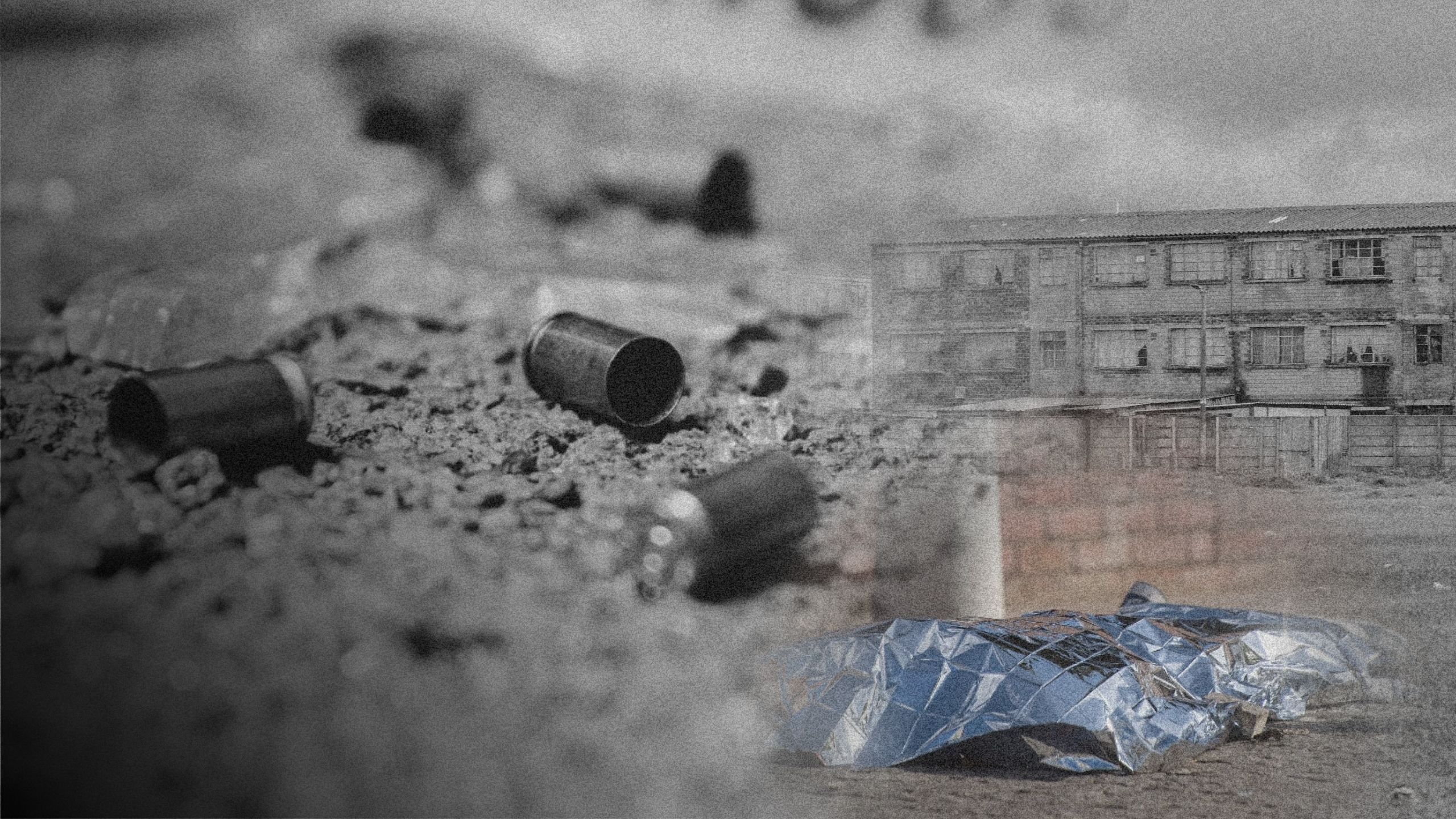
The numbers behind the violence are staggering. Between April and September, an average of three gang-related murders a day rocked the Western Cape. In just six months, 575 gang murders were recorded – more than a quarter of all killings in the province.
Festive cheer meets festive fear as bullets, bloodshed ravage Western Cape
As Christmas lights go up, so does the body count.
Early warning signs show the Western Cape is once again sliding into its most violent season, with gang-related murders and serious assaults historically spiking by as much as 15% between October and December.
This year already appears to be no different.





Brenton Geach/Gallo Images
Brenton Geach/Gallo Images
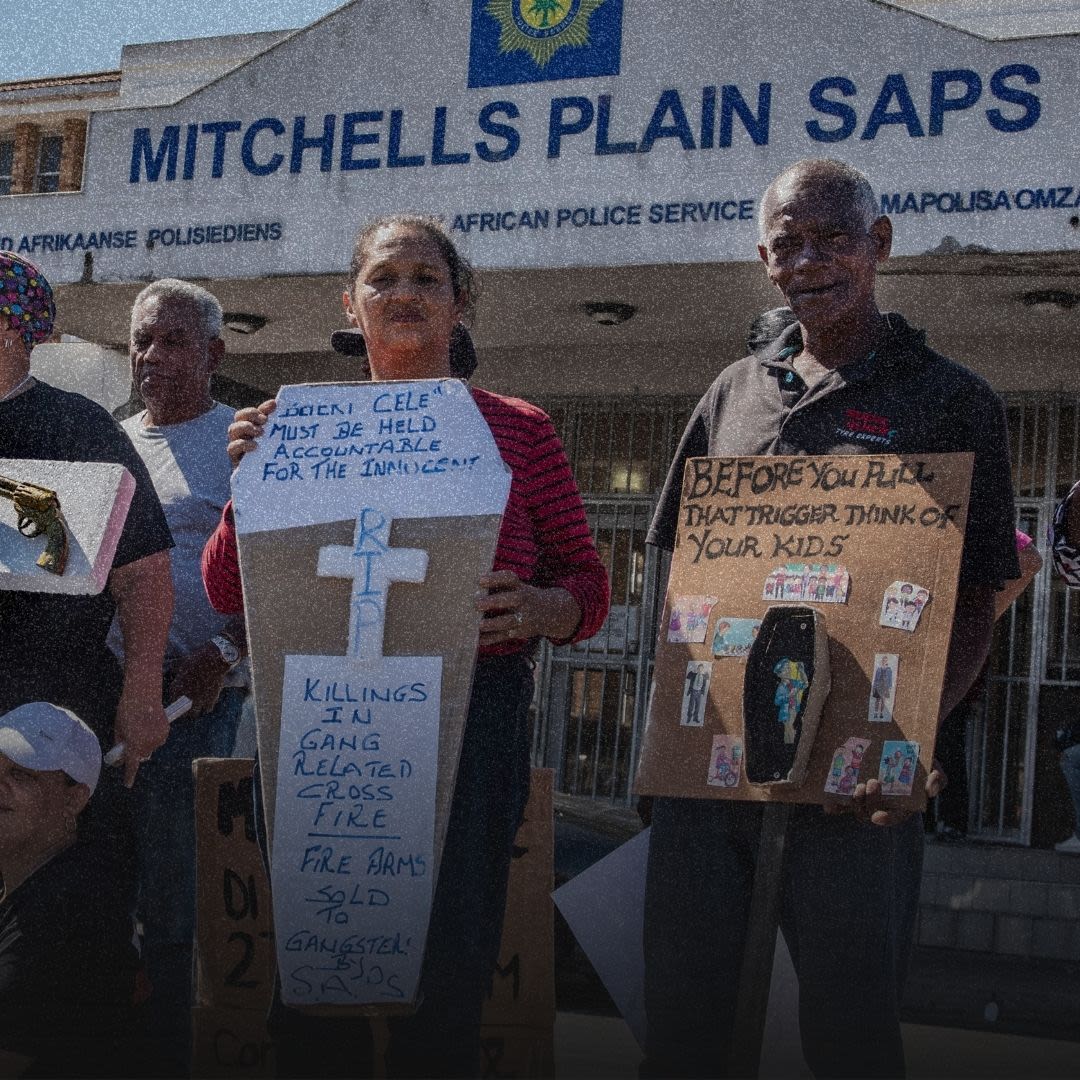
Qadir Boer will never fulfil his dream of becoming a firefighter. At only four, his life came to an abrupt end when he was shot in the head while playing outside his family’s flat in Moray Court, Hanover Park.
Brenton Geach/Gallo Images
Brenton Geach/Gallo Images
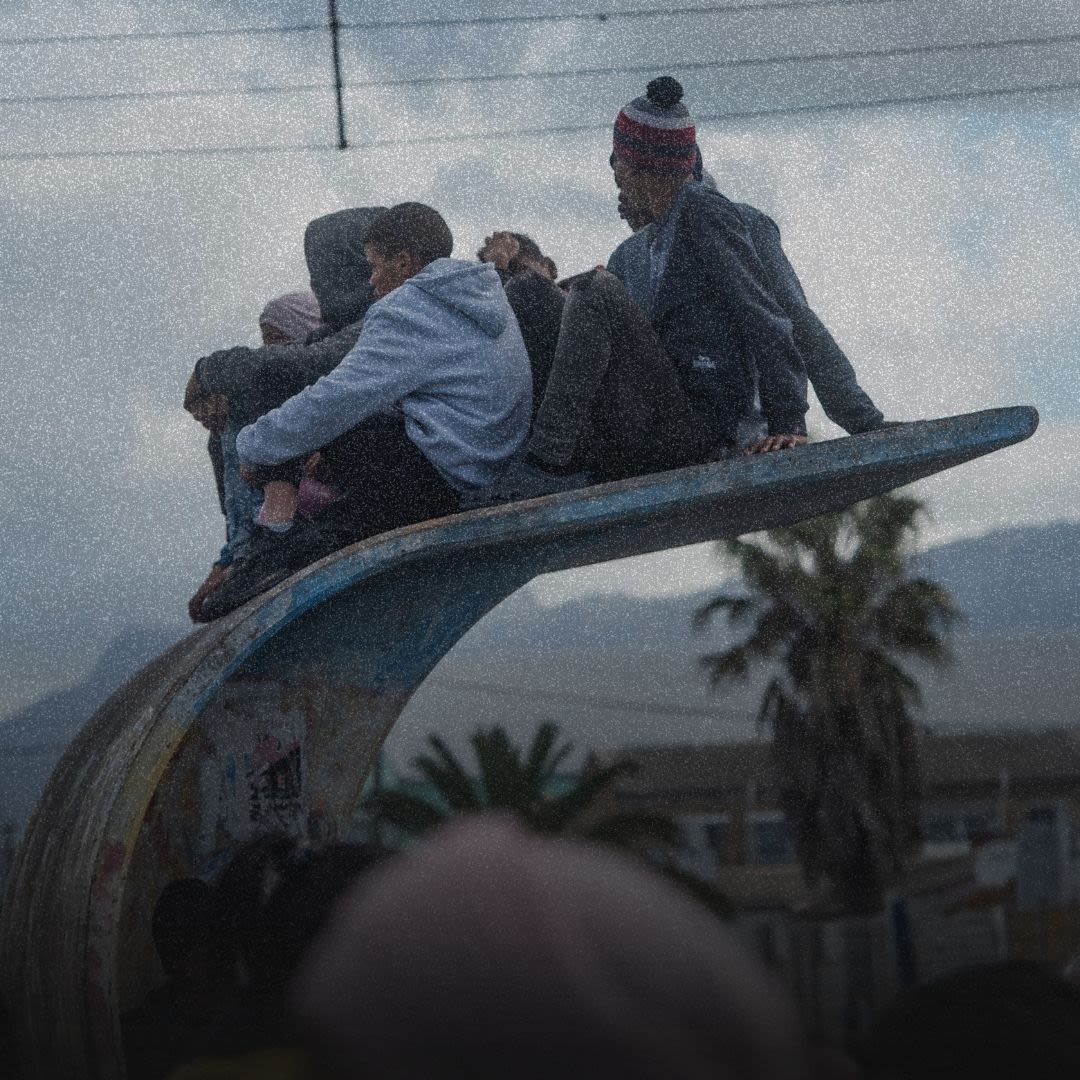
A branded hoodie, sneakers, and a promise of a steady income were all it took for a 14-year-old boy to drop out of school and become a runner for a Cape Flats gang.
The child, referred to by the initial B to protect his identity, is one of hundreds who have been sucked into a life of crime in their neighbourhoods, with many even younger than him carrying drugs and guns to adults involved in gang activity.
Rodger Bosch/AFP
Rodger Bosch/AFP
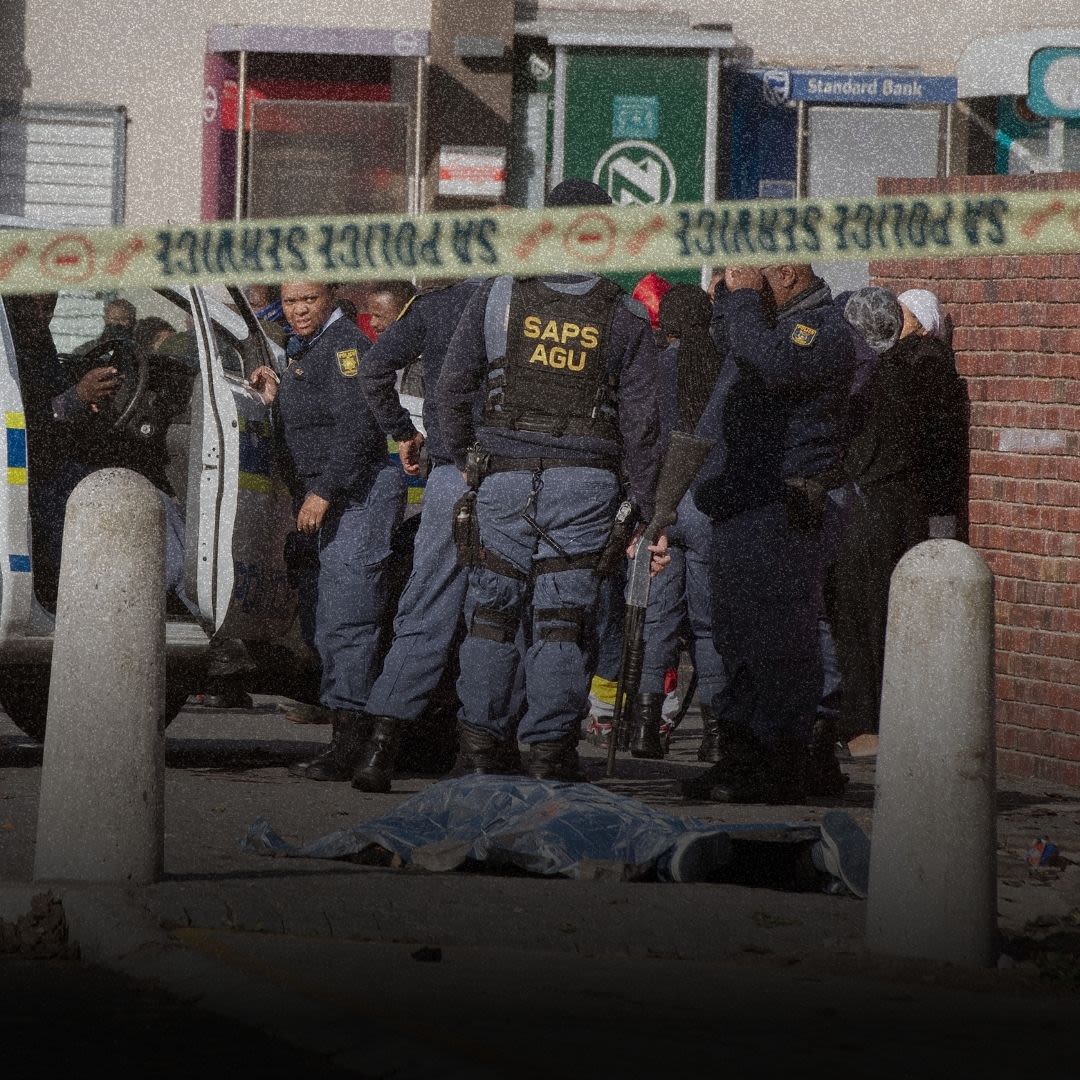
When President Cyril Ramaphosa launched the Anti-Gang Unit in 2018, it was billed as a decisive blow against gangsterism. But seven years on – and with more than R100 million spent – gang violence remains the leading cause of violent death in the Western Cape.
Brenton Geach/Gallo Images
Brenton Geach/Gallo Images
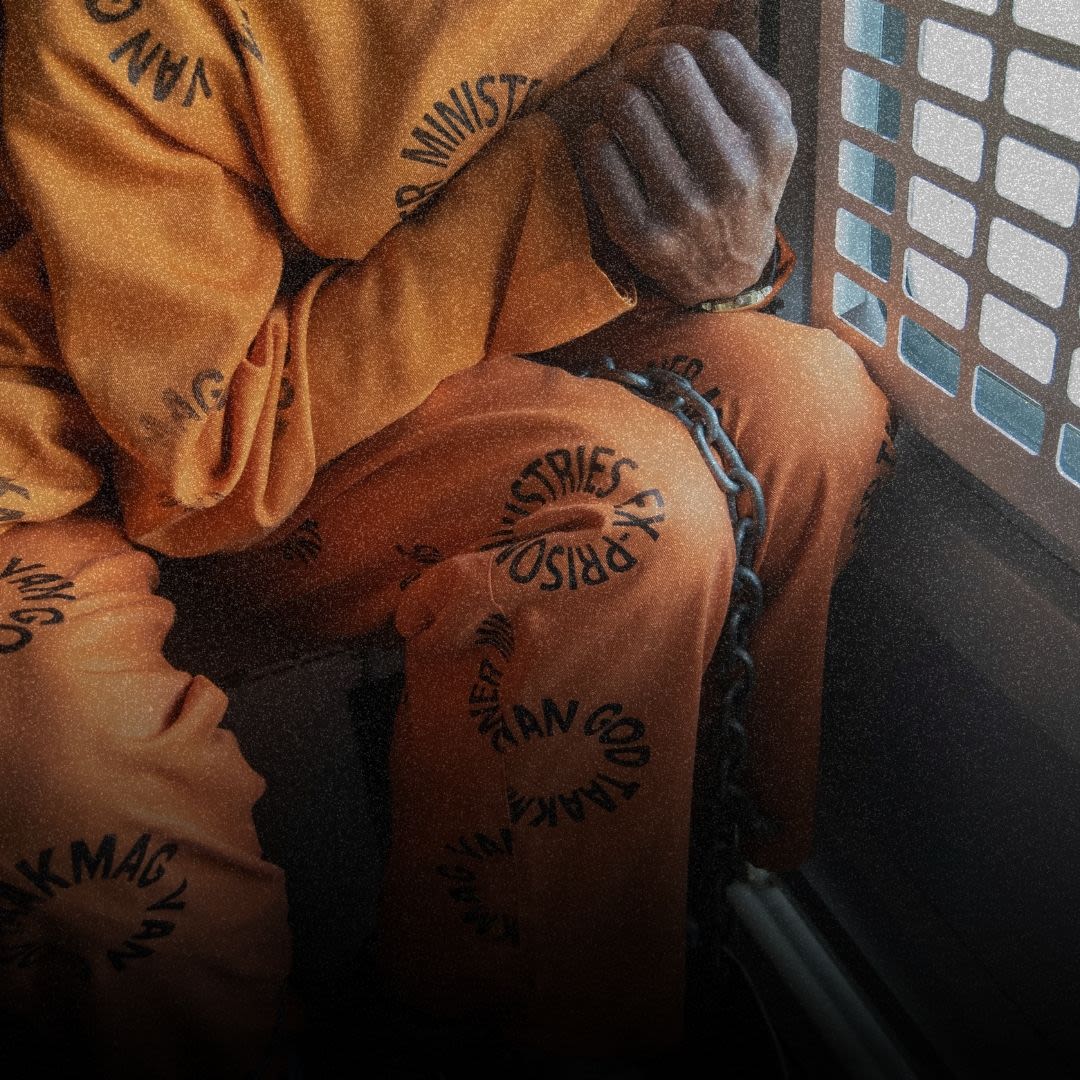
Cape Town’s gangs did not just appear – they grew, mutated and exploded. This, according to Mark Shaw, the director of the Global Initiative Against Transnational Organised Crime, describes how gangsterism in the Western Cape evolved over time.

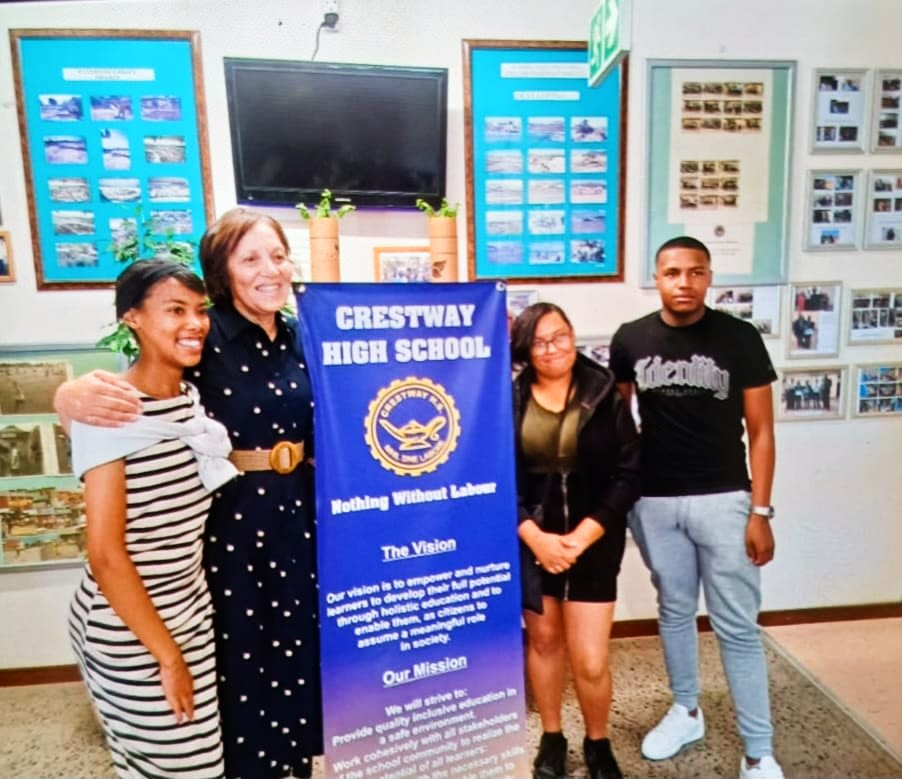
Crestway High School/Supplied
Crestway High School/Supplied
Many matric pupils at Crestway High School in Cape Town did not study at desks or kitchen tables, but flat on the floors of their bedrooms, trying to stay alive while preparing for the most important exams of their lives.
Journalists: Velani Ludidi, Nicole McCain and Lisalee Solomons, Marvin Charles
Deputy News Editor: Tammy Petersen
Design: Mihle Mdashe
Production Journalist: Busang Senne


 Built with Shorthand