




Welcome to the News24 Food Dictionary, your A-Z guide to the flavours of Mzansi.
Defining South African food is like describing the flavour of air; you know it when you taste and see it, yet words rarely do it justice.
Travel across the country and the flavour changes with the land: what grows there, what’s available, and how people make it last.
If we had to sum up SA cuisine in two words, it would be preservation and ingenuity. We made biltong because it was a cornerstone of indigenous life, konfyt to stretch seasonal fruit, and mageu to turn maize into something fermented and drinkable.
We are visual people.
Show us food or a technique, and we recognise it almost instinctively.
Our food tells stories of making something from nothing, stretching ingredients, and communities sharing what they had.
Every item in this dictionary, from humble ujeqe to dune spinach, carries a piece of South African life. Whether you’re a hungry traveller, a foodie, or a curious local looking to rediscover the “lekker” side of our culinary world, this dictionary will guide you to every tasty corner of South Africa’s diverse food map.
Let the feast begin.



African horned melon (Bush cucumber)
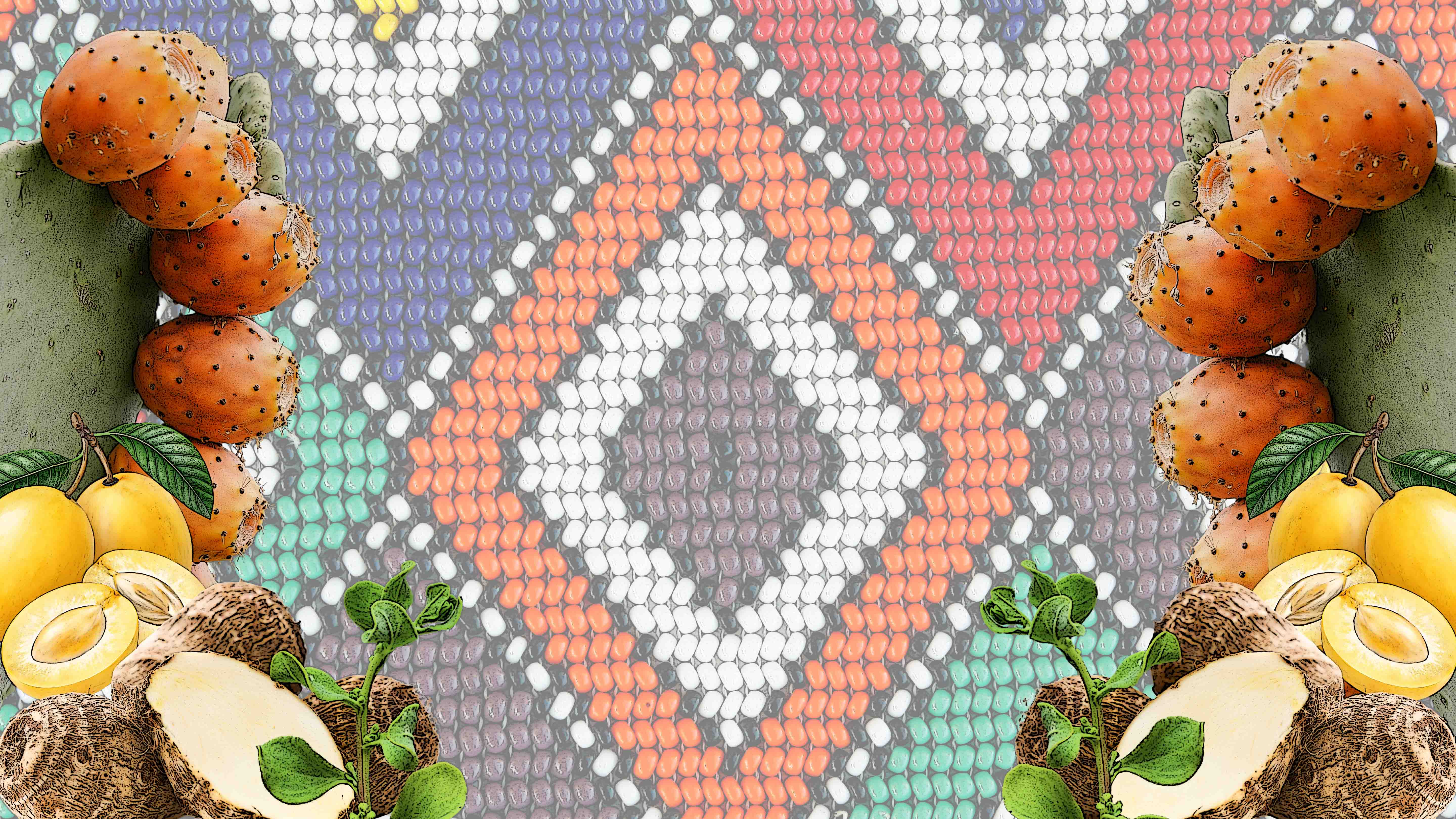
This spiny, oblong fruit has soft orange skin when ripe, and green, jelly-like pulp inside. Its flavour blends hints of cucumber, banana, and lime, with a mildly sweet and slightly sour taste.
African wormwood
Strong and earthy, this herb is great for flavouring cocktails, herbal teas, and even medicinal drinks.
Amadumbe
Also known as taro root, yams, or madumbis, this versatile starchy root veggie has brown skin and creamy white or pink flesh. Portuguese traders brought it to the continent, and the tuber has been a staple of African cuisine ever since. You can roast, mash, stew it, or even enjoy its spinach-like leaves.
Amaranth (Thepe)
The young leaves and tips are cooked like spinach and often served as a side dish with maize porridge or added to stews. They are mild and earthy in flavour.
Amatungulu (Natal plum)
Also called num num or Natal plum, this spiky, glossy-leaved shrub (Carissa macrocarpa) is native to KwaZulu-Natal’s coastal regions and produces small, sweet red berries. These fragrant berries are used in jams, jellies, and desserts.
Baobab
The “upside-down tree” with tangy, powdery fruit thickens soups or makes refreshing drinks.
Bambara nuts
These hardy, drought-resistant legumes with a nutty-sweet flavour are used in porridge, flour, and versatile recipes.
Blackjack
A traditional leafy green (Bidens pilosa), used in cooking or tea, is also valued for its medicinal properties and rich nutritional benefits.
Dithlodi
Also known as mung beans, dithlodi are protein-rich legumes popular in Limpopo and Mpumalanga. They can be eaten fresh, dried, sprouted, or ground into flour, and are used in everything from curries and soups to salads and stir-fries. They adapt easily across cuisines and are mild in flavour, but excellent at absorbing spices.
Dune spinach
Also called duinespinasie or imifino, dune spinach (Tetragonia decumbens) is a native, low-growing perennial found along South Africa’s winter-rainfall coastline. Traditionally foraged by indigenous groups like the San, it has glossy, slightly succulent leaves, rough-textured stems, fragrant yellow flowers, and distinctive four-winged seeds. Once a staple of nomadic diets, introduced crops have mostly replaced its use.
Flat white boer pampoen
A sweet, orange-fleshed heritage pumpkin, perfect for slow cooking, mashing, or stews.
Fynbos
A unique biome in the Western Cape, it is home to diverse edible and aromatic plants, such as rooibos and buchu.
Ihlaba
A wild dandelion leaf with pointy ridges, ihlaba is enjoyed as a type of morogo.
Kalahari truffle
Also called kuutse, mahupu, or n’xaba by the Khoi and San, these desert truffles appear in the Kalahari after good rains between January and April, with harvesting from April to June. Traditionally found by spotting soil cracks or watching animals like hyenas and desert foxes, they are milder in flavour than European truffles and have a crumbly, cheese-like texture.
Kei apple
A tart, golden-yellow indigenous fruit often made into jams, chutneys, and syrups.
Marula
The sacred tree’s tangy, vitamin C-rich fruit is used in alcoholic beverages and jams, and prized for its kernel oil.
Mobola plum
An evergreen fruit tree (Parinari curatellifolia) native to South Africa, it produces sweet, yellow fruits enjoyed raw or cooked, durable wood, and edible, oil-rich seeds.
Monkey orange
Monkey orange is a common name for the fruit of several Strychnos tree species found across Africa, from South Africa to Western Tigray in Ethiopia. Known by various names like klapper, morapa, umKwakwa, nsala, muramba, and umhlali, the fruit’s sweet and tangy pulp is enjoyed fresh, while its hard seeds are inedible.
Msobo
African nightshade (Solanum retroflexum) is known for its small purple-black berries, which are used to make a traditional, vibrant purple jam called Msobo jam, or nastergal konfyt in Afrikaans.
Spekboom
A carbon champion succulent (Portulacaria afra), also known as Elephant Bush, has vitamin C-rich leaves that offer a lemony-sour flavour perfect for salads or sauces. Spekboom is also known by its traditional Xhosa names like iGqwanitsha and Zulu names like iNtelezi.
Spider plant
Known for their slight bitterness, the leaves are boiled or mixed with greens like amaranth or blackjack, and sometimes marinated with sour milk for a unique and tangy condiment.
Sorghum
A nutty, earthy grain used for porridges, baking, and beer, like traditional umqombothi.
Susu
A pear-shaped member of the gourd family that’s incredibly versatile and enjoyed raw in salads or cooked in stir-fries and curries.
Suurvye (sour figs)
These trailing succulents (Carpobrotus) are part of the vygie family (Aizoaceae) and are prized for their ornamental leaves and edible fruits, traditionally used to make jam.
Tassel berry
These small, mulberry-like fruits are slightly acidic and sweet.
Turksvye
Known as the prickly pear (Opuntia ficus-indica), this succulent fruit, indigenous to Mexico, was introduced to South Africa in the 17th century and widely cultivated by frontier farmers in the Eastern Cape. Its Afrikaans name, turksvy (Turkish fig), was later adapted into Xhosa as itolofiya.
Ukhova
Also called banana ka Shaka, this heritage banana variety is tied to Zulu King Shaka and valued for its firm, fragrant, and mildly sweet flavour.
Waterblommetjies
An edible aquatic plant (Aponogeton distachyos) harvested in winter and spring for its delicate, earthy-tasting flowers, which are traditionally used in waterblommetjiebredie.
Wild fig (Wildevye)
Indigenous fig varieties that are used fresh or dried.
Wild garlic
A versatile plant with leaves cooked like spinach and garlic bulbs that replace regular garlic and work wonders in stews or roasts. They also keep pests at bay.
Wild sorrel
Its lemony tang makes it perfect for fresh salads, but don’t go overboard, as too much can be harmful.


Amagwinya (Vetkoek)
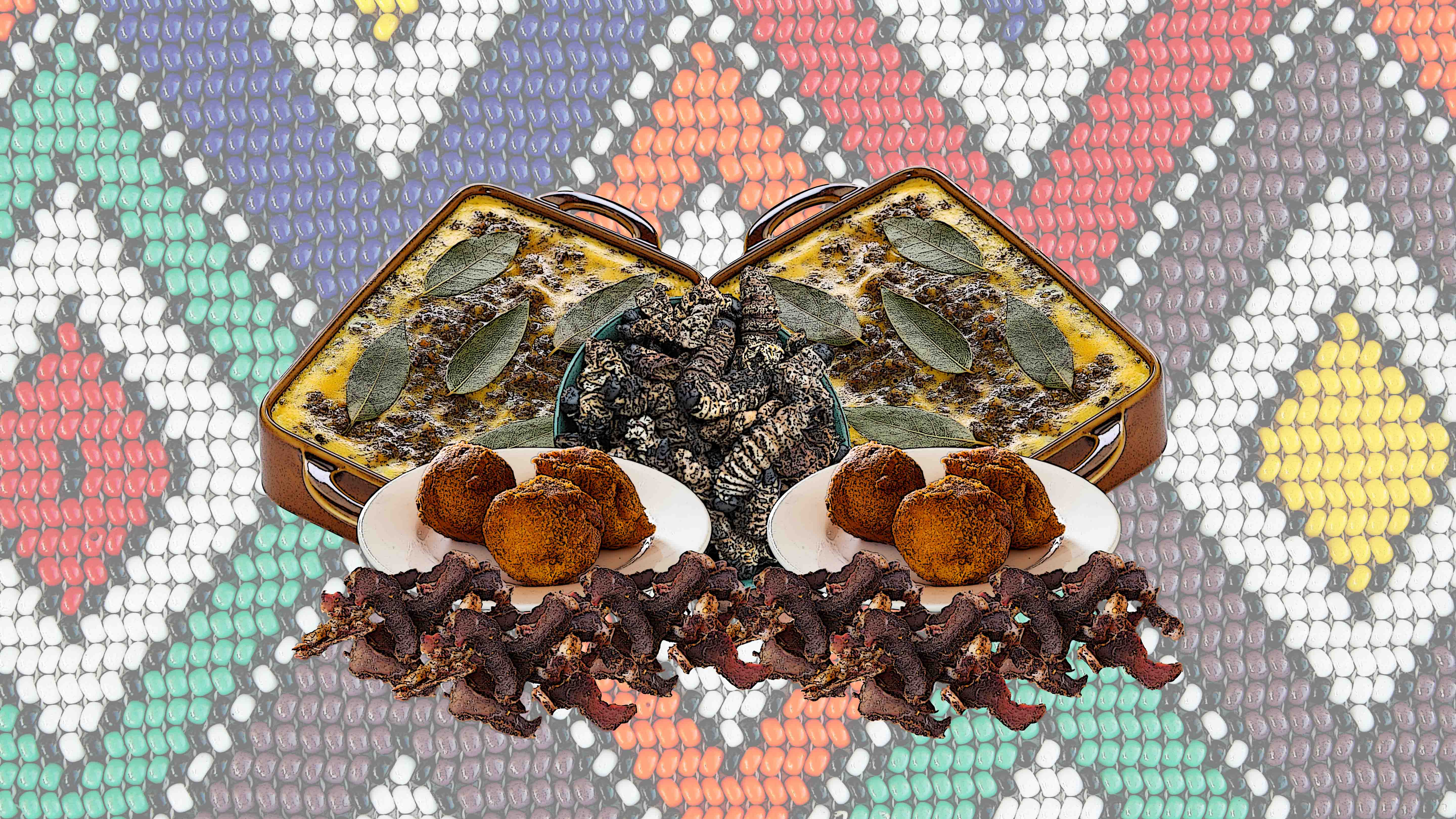
A versatile, deep-fried dough ball treat that can be eaten plain with tea or coffee or served savoury with fillings like curried mince, cheese, or polony, or with jam, honey, or syrup.
Biltong
Salted, air-dried strips of lean meat, traditionally beef or game, are celebrated for their rich, savoury flavour and long shelf life.
Bokkoms
Salted, wind-dried fish, typically mullet or horse mackerel.
Bobotie
A South African casserole made with curried minced meat and dried fruit, topped with a creamy egg custard and baked.
Boerewors
A South African sausage made from coarsely ground beef (and pork or lamb), seasoned with spices and vinegar, and best enjoyed grilled on a braai.
Braaibroodjie
A toasted sandwich grilled on a braai, filled with cheese, tomato, onion, and sometimes chutney. It’s golden brown, gooey, and a must-have at any braai.
Bredie
A flavourful South African stew, typically made with mutton and slow-cooked with vegetables like pumpkin, beans, or tomatoes, for a hearty and comforting meal.
Breyani
This dish of layered, spiced rice, marinated meat and lentils is slow-cooked with aromatic spices like cardamom and turmeric.
Chakalaka
The spicy South African relish made with tomatoes, onions, carrots, and bell peppers was originally created in the Johannesburg gold mines.
Chotlo/tshotlo
Pounded or pulled beef, which is made by boiling meat, deboning it, and shredding it finely before stirring it back into the pot.
Delele (pronunced derere)
A Venda leaf stew made from okra leaves cooked with tomatoes and onions into a mucilaginous dish that is a comforting staple alongside pap.
Denningvleis
A Cape Malay lamb or mutton dish with roots in the Javanese dendeng (water buffalo), which is known for its unique sweet-and-sour tamarind flavour.
Dinawa
The Sotho and Setswana word for cowpeas is dinawa, which simply means “beans”. Cowpeas are protein-rich beans, also known as black-eyed peas or southern peas.
Ditlhakwana (trotters)
Known as amanqina in isiXhosa and in isiZulu, ditlhakwana are slow-cooked trotters of pigs, cows, and sheep. They are seasoned with onions, stock cubes, and sometimes chilli, and served as a main meal with pap and morogo.
Isijingi (pumpkin pap)
Known as Thophi (Venda) or Sidvudvu, this dish blends mashed pumpkin or butternut with maize meal and can be enjoyed sweet or savoury.
Isinkwa sombila
A traditional Zulu corn bread made with maize meal and fresh corn kernels, it is either baked or steamed. The recipe is passed down through generations as a cherished symbol of Zulu culinary heritage.
Karoo lamb
Free-range lamb from the Karoo region is renowned for its tender texture and rich, aromatic flavour imparted by a diet of native shrubs like rosemary, thyme, and sage.
Mogodu (slow-cooked tripe)
Mogodu, or ulusu, is the lining of a cow’s or sheep’s stomach that is slow-cooked for hours.
Mopane worms
Protein-packed caterpillars, sun-dried or cooked, are a traditional food source across Southern Africa.
Morogo
Also called imifino in isiZulu and isiXhosa, muroho in Tshivenda, morogo is an umbrella term for various edible leafy plants cooked and eaten as vegetables.
Pap
A staple maize porridge that is commonly served as an accompaniment to various meals.
Perlemoen
Perlemoen or abalone is a large, flat sea snail (Haliotis midae) that’s become a powerful symbol of marine conservation. It highlights the dangers of overfishing as this prized coastal delicacy faces population decline due to overexploitation and illegal harvesting.
Phuthu/krummel pap (African salad)
A crumbly maize meal porridge enjoyed with amasi and sugar (or salt) for breakfast or dinner.
Roosterkoek
Bread dough balls are grilled over hot coals, producing a smoky, charred crust best enjoyed warm with butter, jam, or cheese.
Seven colours
A vibrant Sunday plate featuring rice, chicken or beef, and a rainbow of vegetables like beetroot, pumpkin, cabbage, beans, bean salad, and potatoes.
Skaapstertjies
Afrikaans for “lamb tails”, this delicacy is loved for its rich flavour and crispy, fatty texture, and is often grilled over the braai.
Skilpadjies
A braai treat made from minced liver (usually lamb or sheep) mixed with onions and spices, wrapped in caul fat, and grilled over the braai for a rich flavour.
Snoek
A large, bony fish found off the West Coast, snoek is cherished fresh for braais, can be smoked, dried or salted in smoorvis stew, or as a delicious West Coast-style pate.
Sosatie
A flavourful Cape Malay-inspired kebab of spiced or curried meat skewered with onions, dried fruit, or fat.
Ting
This sour porridge made from fermented sorghum is loved by the Tswana people and often enjoyed as a soft porridge for breakfast.
Tshidzimba
A traditional Venda dish made by slow-cooking a hearty mixture of groundnuts, beans, and mielie grains.
Ujeqe
A humble and versatile bread steamed over pots of stew to absorb rich flavours is the perfect soft, fluffy companion to hearty meals.
Umfino
A dish combining pap (maize meal porridge) with green, leafy vegetables such as spinach, cabbage, or wild greens like morogo.
Umhlehlo nesibindi
Liver (ox) cooked in a slaughtered animal’s caul or visceral fatty tissue.
Umleqwa
Also known as “hardbody chicken”, umleqwa is a free-range hen raised in townships or rural areas. It is prized for its dense, flavourful meat, which is slow-cooked to create a rich, hearty stew.
Umngqusho (samp and beans/samp en boontjies)
A Xhosa dish made by boiling samp (maize kernels) with beans for several hours, then adding salt and oil to simmer.
Umnqambulo
A stewed cow's head that is chopped into bite-sized pieces.
Xigugu
A traditional Xitsonga paste made from ground, roasted corn and peanuts, creating a rich, smoky, and subtly sweet delicacy, is served as a snack or cooking ingredient. It has deep cultural significance in ceremonial customs, symbolising sweetness and hard work in life.


Boerie roll
A South African take on a hot dog, featuring a juicy piece of boerewors served in a bread roll, topped with tomato and onion smoor or caramelised onions.
Bunny chow
A Durban street food icon, bunny chow is a hollowed-out quarter or half loaf filled with spicy curry. Rooted in the Indian South African community, it’s said to have originated in Grey Street as an inventive take-away meal for workers. Variations include beans bunny, mutton bunny, and chicken bunny.
Chicken dust
A South African open-fire grilled chicken dish, usually served with pap, seasoned and slow-cooked to develop a sweet and spicy flavour.
Gatsby
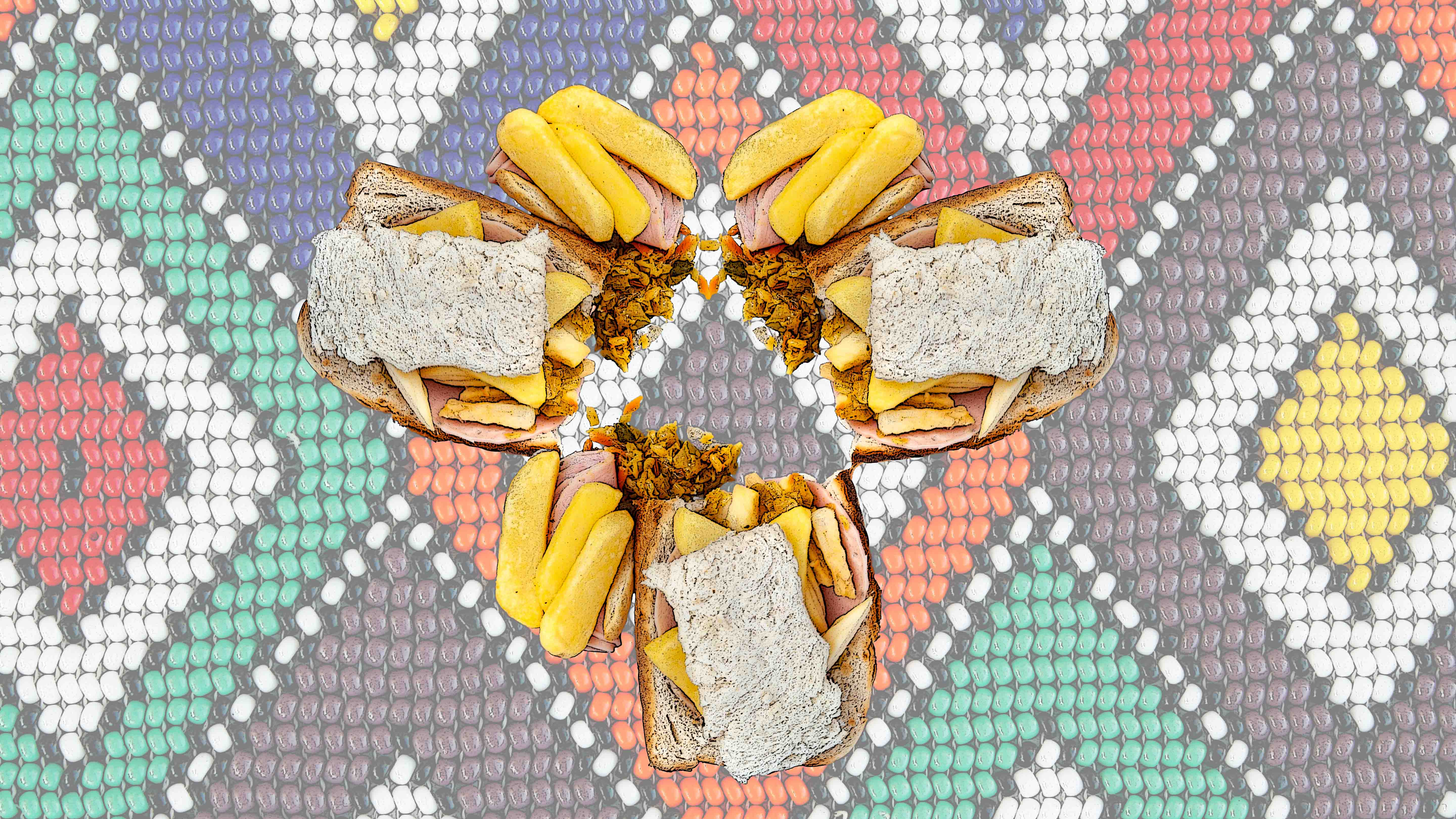
A gigantic Cape Town sandwich made with a long, generous bread roll stuffed with meat, chicken or fish, slap chips, salads, and sauces. Made for sharing.
Kota
A hollowed-out quarter loaf of bread filled with chips, cheese, polony, Russians, and atchar. In Pretoria, it’s known as spatlo; in the Vaal, it’s called skumbani.
Maotwana (Chicken feet, korrie, walkie talkie)
This popular South African dish of chicken feet is stewed or grilled with spices and served with pap or steamed bread.
Parcel
A fast-food dish served in a paper or foil parcel, typically filled with hot chips, Vienna or Russian sausages, sauces, and spices.
Salomie
This Cape Malay-inspired roti wrap is filled with spicy curry, like chicken, mince, or mutton, and paired with a tomato and onion sambal for a hearty, handheld meal.
Shisanyama
The Zulu equivalent of braaied meat, and the name for a place that sells braai meat.
Skop
Also known as “smiley”, this delicacy is a cooked sheep or goat head, enjoyed for its rich flavour and cultural significance.
Slap chips
Thick-cut potato chips are deep-fried until soft and tender, then drenched in vinegar and salt.
Special
A vetkoek filled with white liver paste.


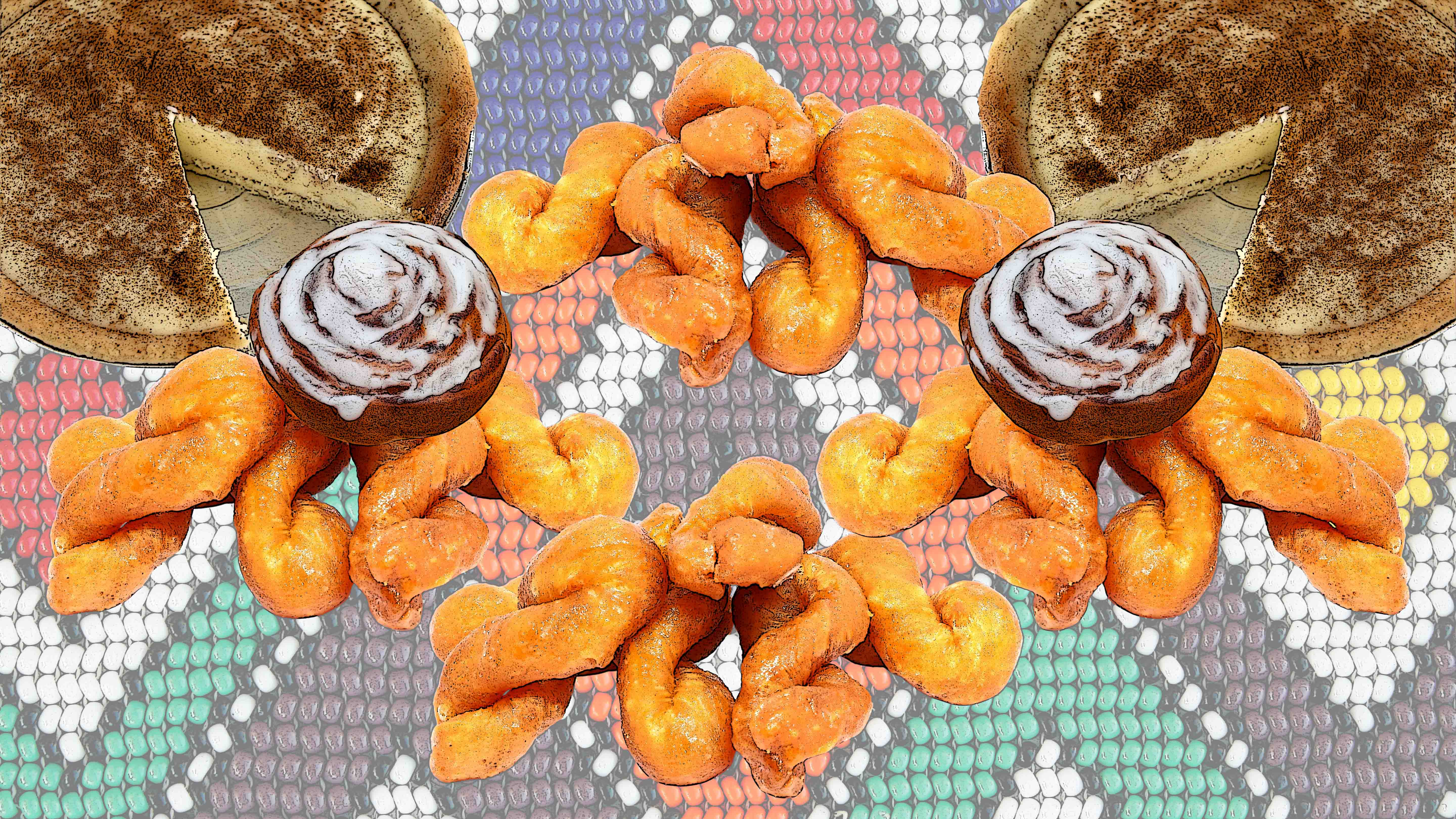
Chelsea bun
A nostalgic South African bakery staple, this soft, bread-like roll is swirled with cinnamon and sultanas and topped with a thick icing glaze. It’s less gooey than a cinnamon bun but just as satisfying. It was a classic at school tuckshops.
Dikuku
This is an umbrella term for a fluffier, sweet scone that shows up in the most meaningful moments, from comforting the bereaved to welcoming guests with a bubbly glass of gemmer.
Hertzoggie
A dainty tartlet with buttery pastry, an apricot jam centre, and a golden coconut meringue topping. Named after former Prime Minister JBM Hertzog, it remains a tea-time favourite with political bite.
Koe’sister (or koesiester)
A Cape Malay treat – spiced, deep-fried dough balls dipped in fragrant syrup and rolled in desiccated coconut. Soft, warmly spiced, and syrupy, they’re traditionally eaten fresh on a Sunday morning.
Koeksister
The cousin of the koe’sister is a plaited strip of dough, deep-fried until crisp and then soaked in sticky syrup. It is crunchy outside, syrupy inside, and guaranteed to glue your fingers together.
Malva pudding
A sweet, sticky baked dessert with apricot jam, eggs, and milk, yielding a spongy, comforting texture. Some say its roots are Dutch; others credit its 1970s revival at Boschendal wine estate. Either way, it’s South Africa’s ultimate Sunday pudding.
Peppermint Crisp tart
A rich, retro, creamy fridge tart staple made with layers of biscuits, Caramel Treat, whipped cream, and shards of Peppermint Crisp chocolate.
Sultana
A golden, seedless raisin made from Thompson seedless grapes. Sultanas are sweeter and plumper than regular raisins. They bring a honeyed note to buns, biscuits, and puddings.
Tameletjie
This brittle toffee treat is made by boiling sugar and water until caramelised, then cooling and cracking into shards. Nuts like almonds or pine nuts are sometimes added for extra crunch.
Melktert
A national treasure: shortcrust pastry filled with a light, creamy milk custard, dusted generously with cinnamon. Served at everything from church bazaars to weddings.
Melkkos
Literally “milk food”, this homely dish is made by simmering milk with flour and butter until thickened. Pasta-like strips (snysels) are sometimes added. Served hot with cinnamon sugar, it’s a simple, nostalgic comfort.
Mosbolletjies
Sweet bread buns made with fermenting grape must from winemaking, flavoured with aniseed.
Pampoenkoekies
Depending on how they are made, these versatile pumpkin fritters can grace a breakfast spread, be served as a side, double as a snack treat, or be enjoyed as a dessert.
Rusks
Our beloved dunker of choice, these twice-baked historic tea-time treats are baked until hard and dry, traditionally dunked in coffee or tea to soften before eating.



Aromat
A Swiss-born Knorr seasoning that’s been South Africa’s adopted flavour superhero since the 1950s. It is a versatile powdered blend of herbs, spices, yeast extracts, and MSG that transforms ordinary meals into taste sensations. It earns honorary South African status as the country’s go-to “sprinkle magic” for everything.
Baleni salt
A sacred, mineral-rich salt from the Baleni hot springs in Limpopo, harvested by Tsonga women using ancestral methods passed down for over 2 000 years. Collected in winter when the Letaba River is calm, this salt is produced within a declared Natural Heritage Site and is steeped in ritual and ancient, closely guarded practices.
Mrs Balls Chutney (blatjang)
A chutney made from dried fruit, like apricots and chillies, cooked with vinegar and spices. This Malay-inspired condiment is a staple at braais and pairs perfectly with dishes like bobotie, adding a slightly spicy, tangy kick. Madiba loved chutney chicken.
Rajah Curry Powder
Rajah Curry Powder is South Africa’s crown jewel spice blend. Launched by Robertsons in 1938, it has become a household name and market leader in authentic South African curry flavours.
Sishebo
Sishebo is a traditional South African hearty stew simmered with onions, tomatoes, and aromatic spices. It is often enhanced with Imana Sishebo brand seasoning (which some people use as a general term for the dish itself).
Six Gun
Six Gun is a bold South African spice blend featuring salt, paprika, onion, celery, cumin, and cayenne pepper. It is designed to enhance grilled meats, stews and mince. It is a trusted braai companion, bringing smoky, robust flavour with the punch of a six-shooter revolver.
Tin Stuff
A colloquial umbrella term for all affordable and convenient canned or tinned foods, such as pilchards and corned beef, that play a critical role in everyday cooking and family meal planning.



Apple Munch
Dollie Licks' apple-flavoured ice lolly sensation delivers crisp and tangy apple flavour in convenient frozen pops.
Babalas mix
A hot mix of a variety of chilli-spiced biltong.
Chappies
The legendary bubble gum brand from the late 1940s became a cultural icon. It was famous for its two-pieces-for-one-cent deal and “Did You Know” trivia wrappers, and even served as makeshift currency.
Bompies (ysies)
A diluted concentrate drink mix that is frozen and sold by Gogos or tuckshops. They can be made from any concentrated drink or bought in pre-packaged varieties like JC’s.
Mazimba
An umbrella term for a packet of chips derived from SA’s chip of choice, Simba Chips, which is owned by the same Greyvensteyn family who make Ouma Rusks.
Skopas
A sweet snack resembling popcorn coated in brightly coloured powdered sugar. The term skopas is mainly used in the country’s northern parts, while other regions refer to it as amaKip-kip.
Spookies
A soft and puffy maize puff snack in various flavours, such as Chutney, Cheesy Screams, and Pele Pele.
Wilson’s Toffees
A historic confection treat, Wilson's Toffees are best known for their chewy, long-lasting texture and wide range of flavours, including Champion Toffees and Toff-O-Luxe in original, banana, buttermilk, and candy cola.
Zoo Biscuits
An essential picnic staple, Zoo Biscuits are iced vanilla biscuits featuring colourful animal shapes in bright pastel colours. Bakers have been making them for over a century, and they serve as the ultimate childhood nostalgia treat.



Amasi (Magege)
A traditional fermented milk of the Nguni people, usually made from Nguni cattle milk left to culture naturally in a calabash or covered container. Magege (Tsonga) is creamy and tangy, often enjoyed with pap or on its own. Once primarily a way to preserve milk, it remains a beloved staple of local cuisine.
Dom Pedro
An indulgent adult milkshake made with ice cream, cream, and a splash of whisky or cream liqueur such as Amarula. It is served in a wine glass with a straw and topped with shaved chocolate.
Honeybush tea
An indigenous herbal tea with a naturally sweet taste. Grows in the Eastern and Western Cape mountain regions.
Klippies and Coke
A braai drink and a cultural staple cocktail of long pours of Klipdrift brandy with Coca-Cola.
Mageu
A fermented maize drink that’s enjoyed as a breakfast beverage.
Mampoer
A potent South African spirit distilled from fermented fruit.
Mos
A traditional South African grape juice - sweet and partially fermented - used in making mosbolletjies (sweet bread) and moskonfyt (grape syrup or jam), or enjoyed fresh for its natural sweetness.
Papsak
A foil-lined plastic bag of wine in a box, the name derives from the Afrikaans word meaning “soft bag”, and is culturally associated with affordable, informal drinking occasions across our social fabric.
Rooibos
A caffeine-free herbal tea made from the Aspalathus linearis plant native to South Africa’s fynbos biome, and cherished for generations for its rich, sweet, nutty flavour.
Siyavanna/Savivi
Siyavanna is Savanna Dry's nickname. In South Africa, it means “we get each other” or “we see you”. This term reflects the brand’s connection with local culture and represents the popular cider, our beloved drink of choice after Black Label.
Umqombothi
This traditional beer, brewed from maize meal, crushed corn malt, crushed sorghum malt, water and yeast, is served at ceremonies and social gatherings as a symbol of hospitality and ancestral respect. It has a characteristic thick, gritty texture and mildly sour flavour.
Vukanyi
A fermented marula fruit beer.
Zamalek
Slang for Carling Black Label beer, particularly the 750ml quart bottle.


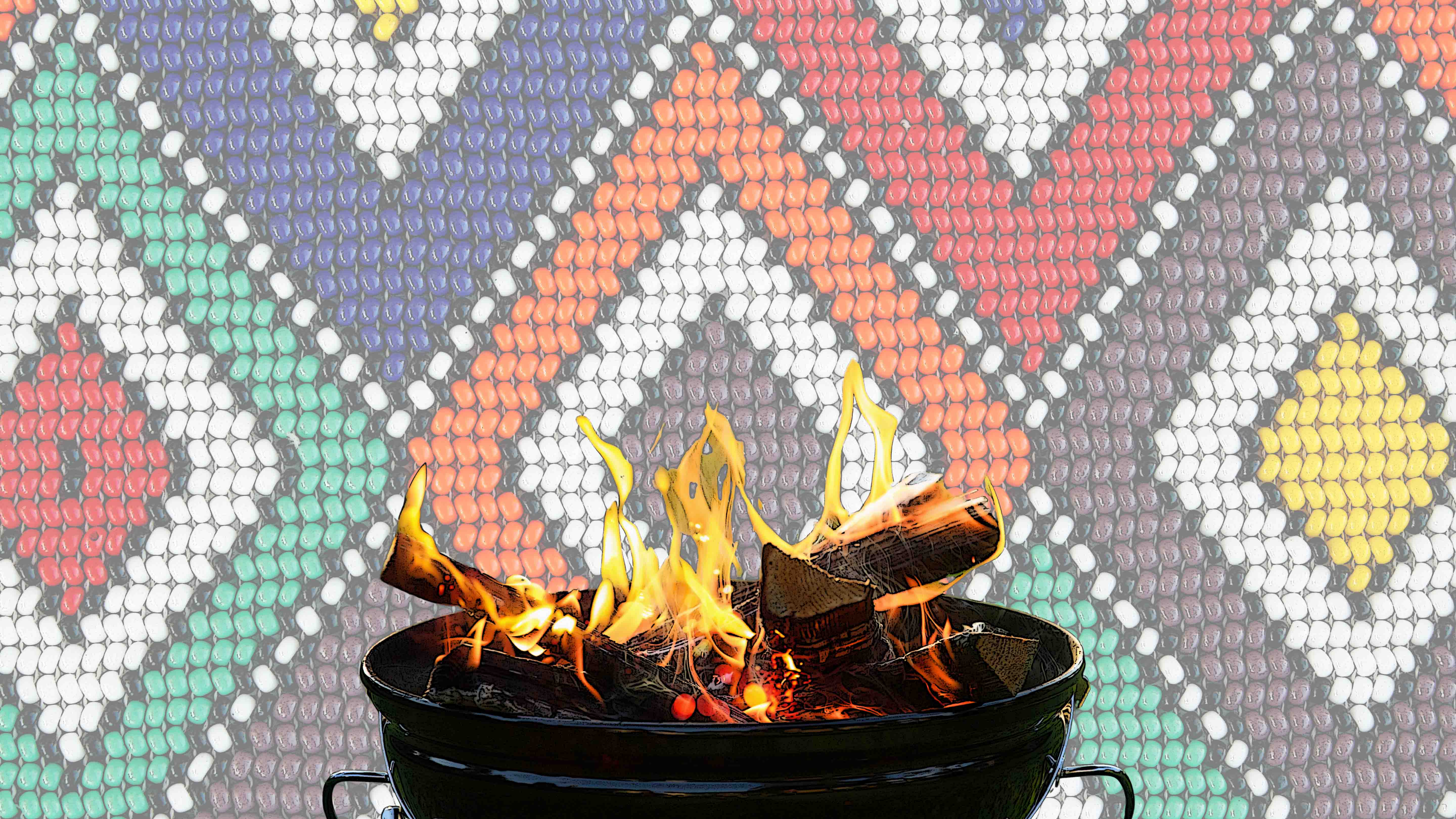
Braai
A grill and social cooking event where meat is slow-cooked over wood coals, often handled with sturdy braai tongs.
Blitz
An umbrella term for firelighters used to quickly ignite braai fires and cooking flames.
Izinja ze tough
Slang specifically for Lion matches, mixing Zulu “izinja” (dogs) with English “tough,” celebrating these reliable matches as the resilient fire-starters that never let you down when you need to light up.
Kaiings
The essential no-waste philosophy in the SA kitchen is both the process and the crispy fat scraps made from rendered animal fat like lamb tails, pork belly, or even chicken. The end result is similar to cracklings or chicharrones, enjoyed as a savoury snack or served alongside pap (maize meal).
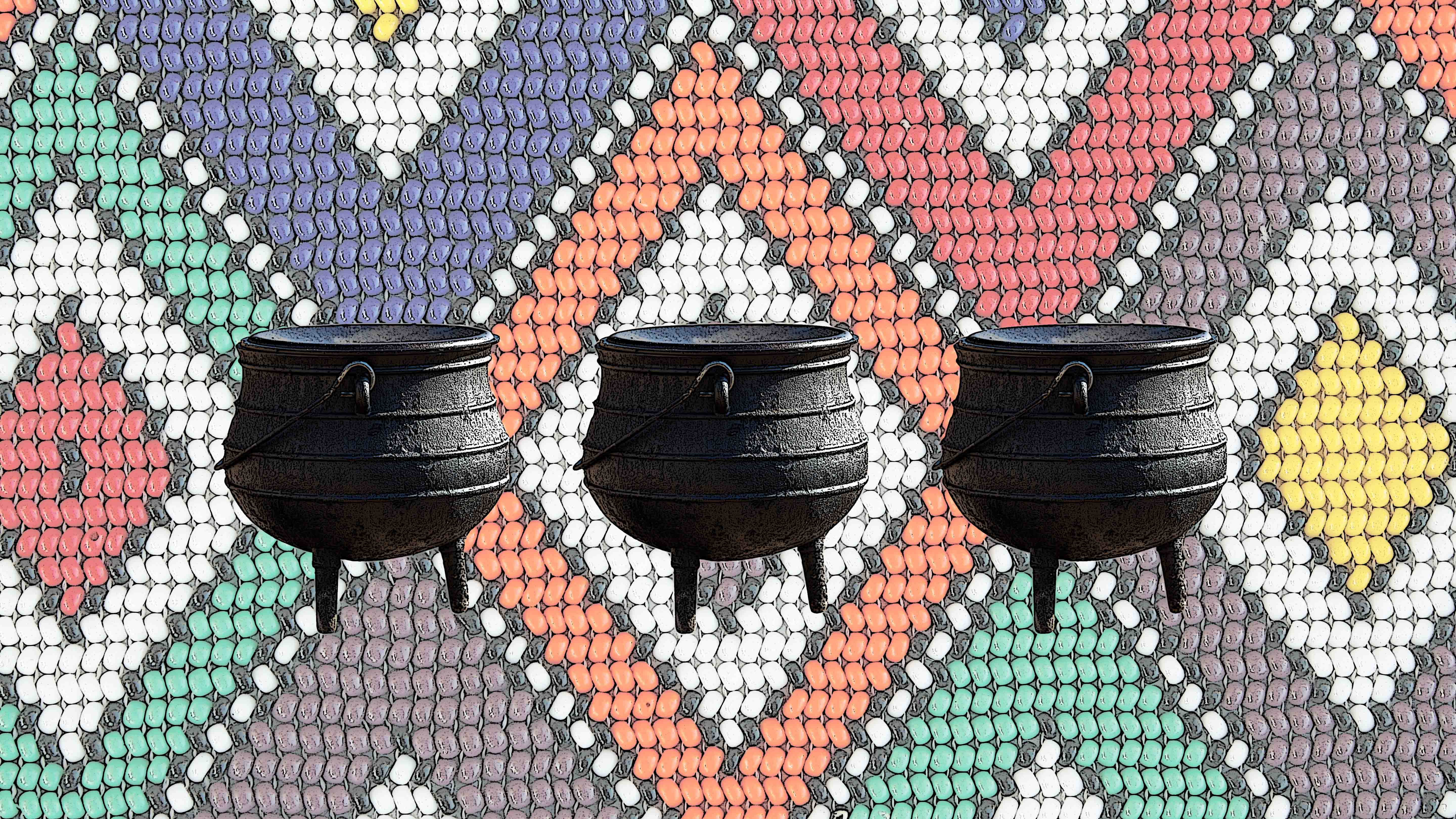
Potjie
A three-legged cast iron pot designed for slow cooking over open fires, which serves as the centrepiece of outdoor gatherings and communal cooking.



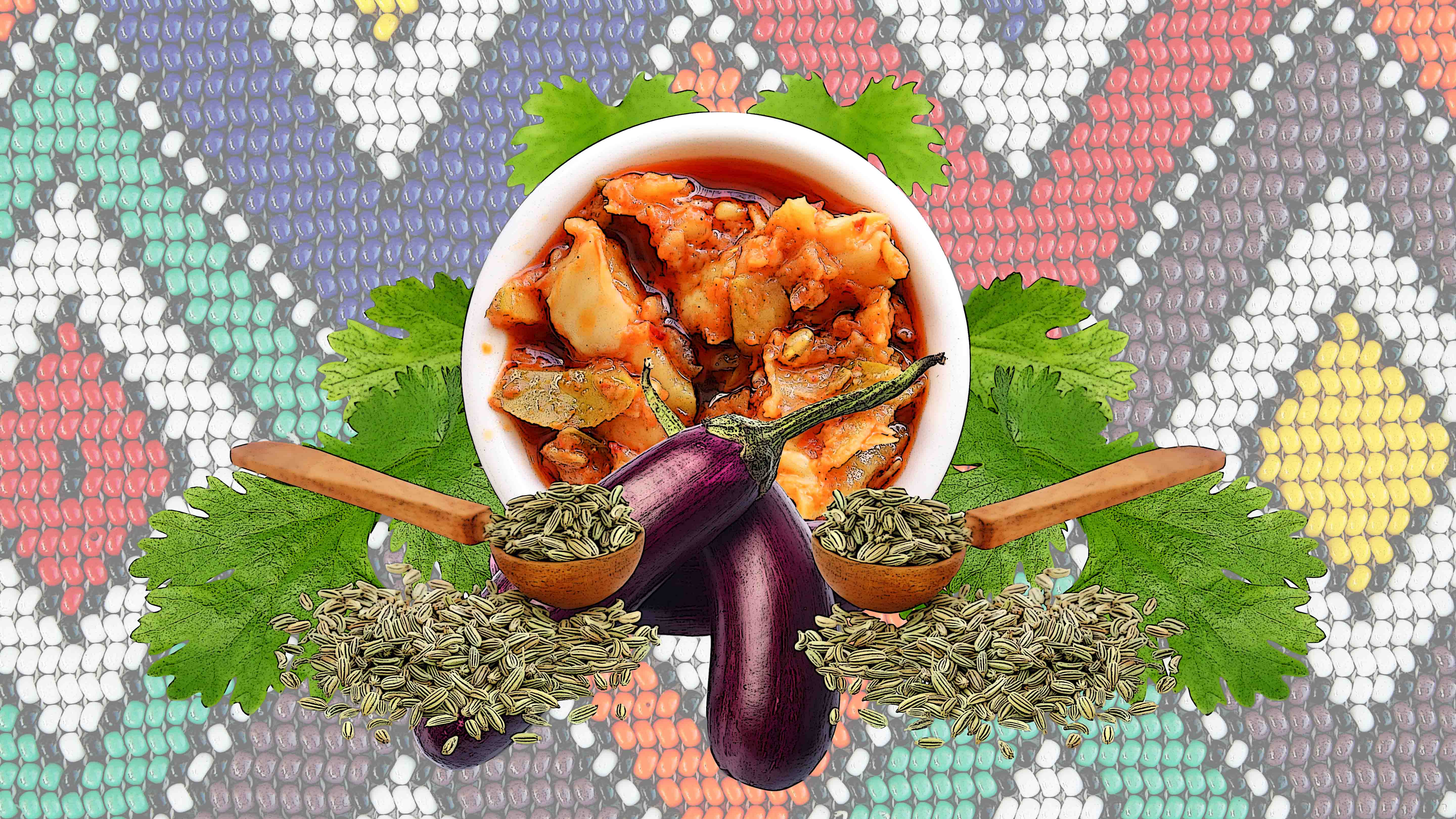
Atchar
A spicy, tangy pickle or relish introduced to South African cuisine by the Indian South African community, it is made with green mangos, chillies, and a mix of aromatic spices and pickled in vinegar or brine.
Barakat
An Arabic term meaning “blessings” refers to food or treats shared in a paper bag or box after a gathering, symbolising gratitude and community.
Barishap
The Cape Malay word for fennel seeds, which are known for their aniseed-like flavour with a hint of bitterness and are commonly used in curries and fish dishes.
Boeka
A term used in Cape Town for the meal Muslims eat to break their fast at sunset during Ramadaan, also known in Arabic as iftar.
Brinjal
An eggplant or an aubergine.
Dhania
Also known as coriander, a fragrant herb used to flavour curries, and more.
Jeera
The Cape Malay term for cumin seeds, an essential spice with a warm, earthy flavour, is often used in Indian and Cape Malay cooking.
Jujube
Also known as the red or Chinese date, this fruit is native to Southern Asia but has gained popularity worldwide. In South Africa, it is grown locally and enjoyed fresh, dried, or prepared as a spicy, tangy snack called masala bor.
Sajie
Refers to preparing and serving food at events or functions, embodying Cape Malay hospitality and tradition.


Bring and braai
A social gathering where guests bring their own meat, drinks and sides, while the host provides the fire, braai setup, and the vibes.
Cav
To notice, understand, or to check or suss something out.
The dinges
A casual Afrikaans term meaning “thingamajig” or “what-do-you-call-it”, is used when an object’s name is forgotten or unknown. “Can you bring me the dinges…”
Grootman
Used to address or refer to a man you hold in high regard.
Haibo
A visceral exclamation of disbelief or surprise, often used when something unexpected happens.
“Is fokol is festive”
A celebratory festive season expression combining Afrikaans “fokol” (meaning nothing) with English “festive”, it essentially says, “The out-of-office days are here, and there’s nothing to worry about. Let’s celebrate and be merry!”
Now now… (Nou-nou)
A South African slang term, borrowed from Afrikaans “nou-nou,” meaning “shortly” or “in a little while”. It suggests the immediate future, but with a flexibility that might allow for delays or even forgetting the task altogether.
Mokete
Mokete is a Sesotho term for a joyous celebration or feast involving family and community gatherings with traditional food, music, and dancing to mark special life occasions and strengthen cultural bonds among Basotho people.
Mogodu Mondays
Mogodu Mondays is a popular South African restaurant trend where establishments offer mogodu, a stew of tripe and intestine served with pap or dombolo, as a weekly Monday lunch special.
Pozi
Referring to a place, especially someone’s home or hangout spot.
Umgidi SZN
December is Umgidi month in the Eastern Cape. Umgidi is a sacred Xhosa homecoming ceremony that celebrates initiates (abakwetha) returning home, and marks their transition to manhood through communal feasting, dancing, the antics of drunk uncles, and ritual recognition of their new adult status.
Yho/Yoh
The universal South African expression of shock, astonishment and awe.


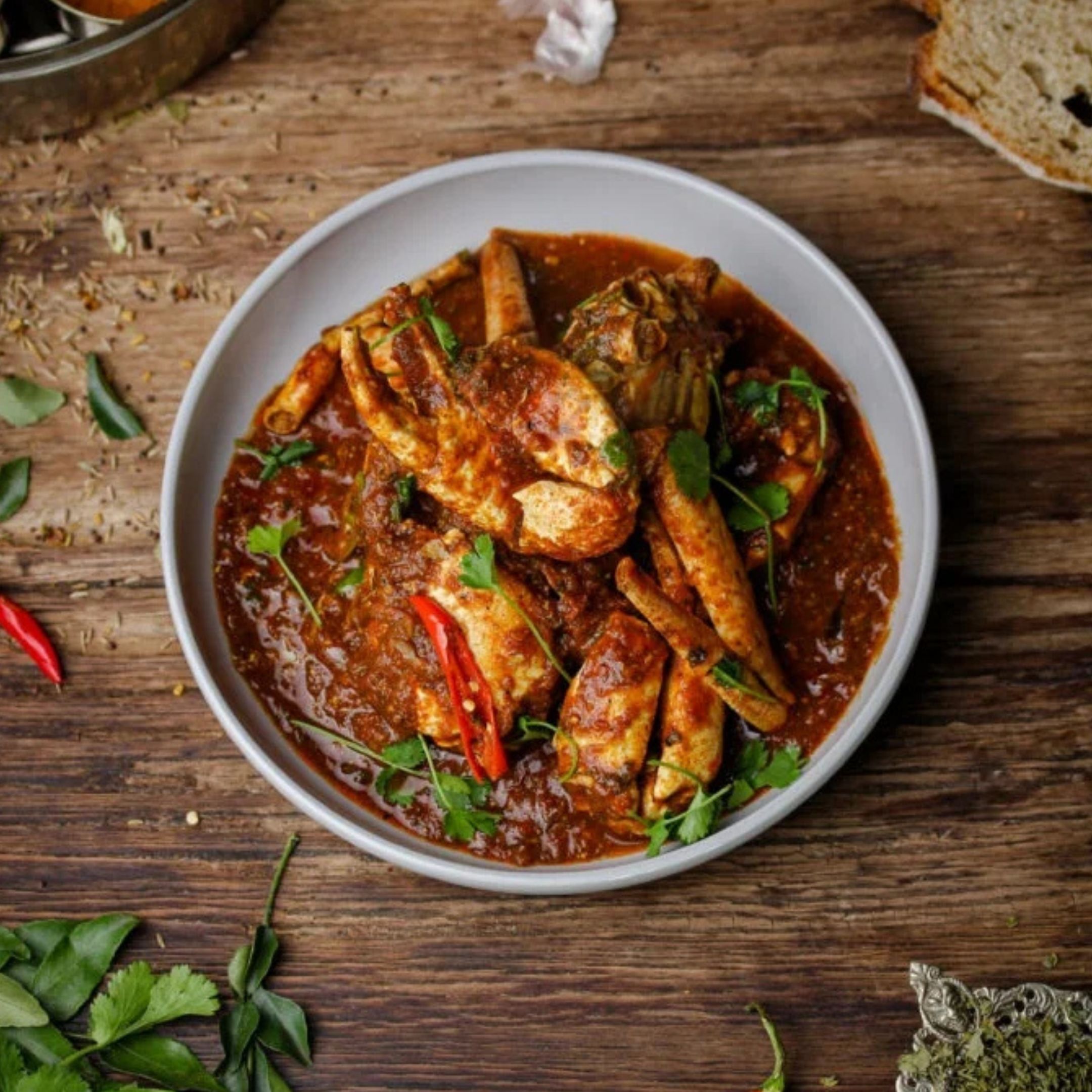
Image: Apriena Jugoo Pummer
Image: Apriena Jugoo Pummer
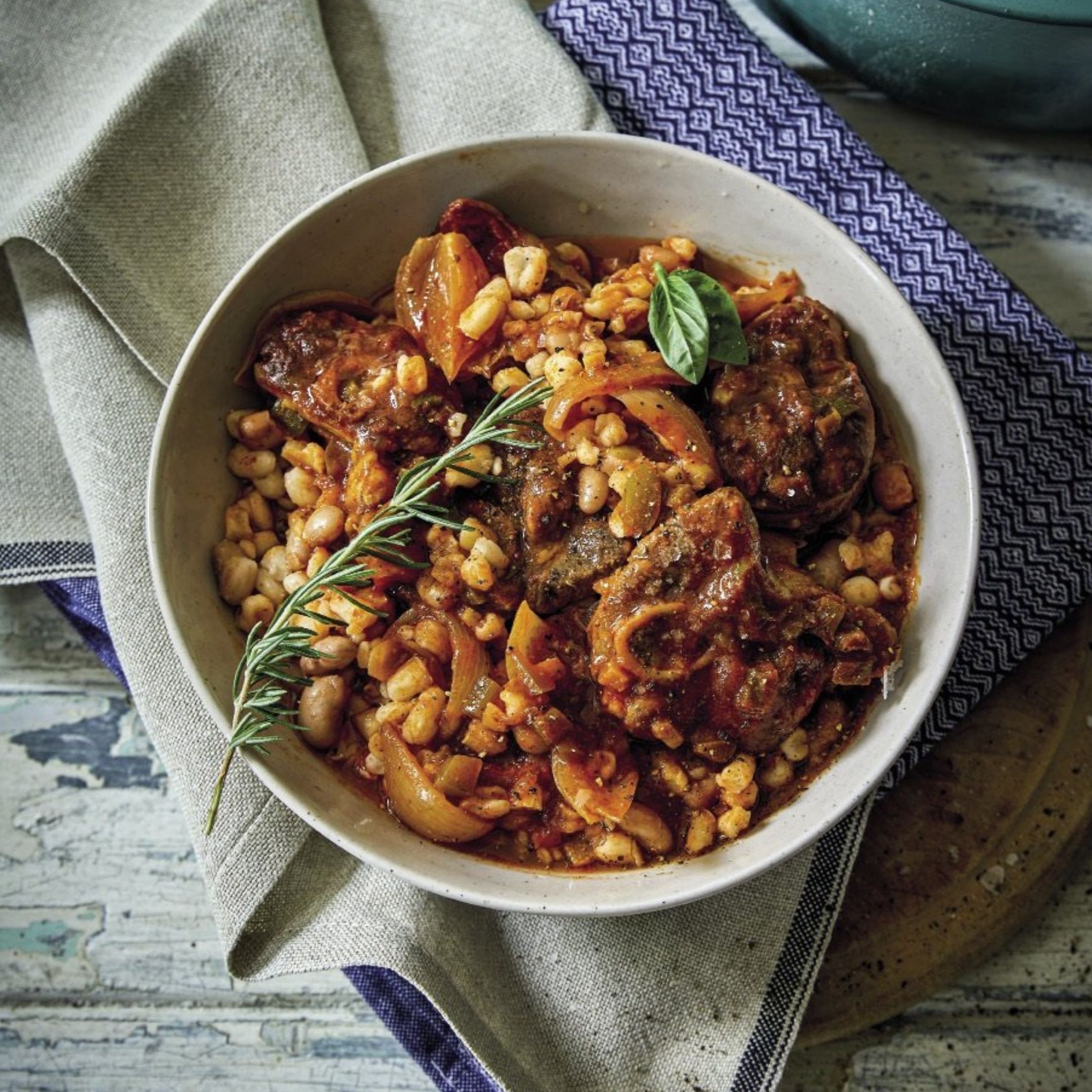
Image: News24.com/home
Image: News24.com/home
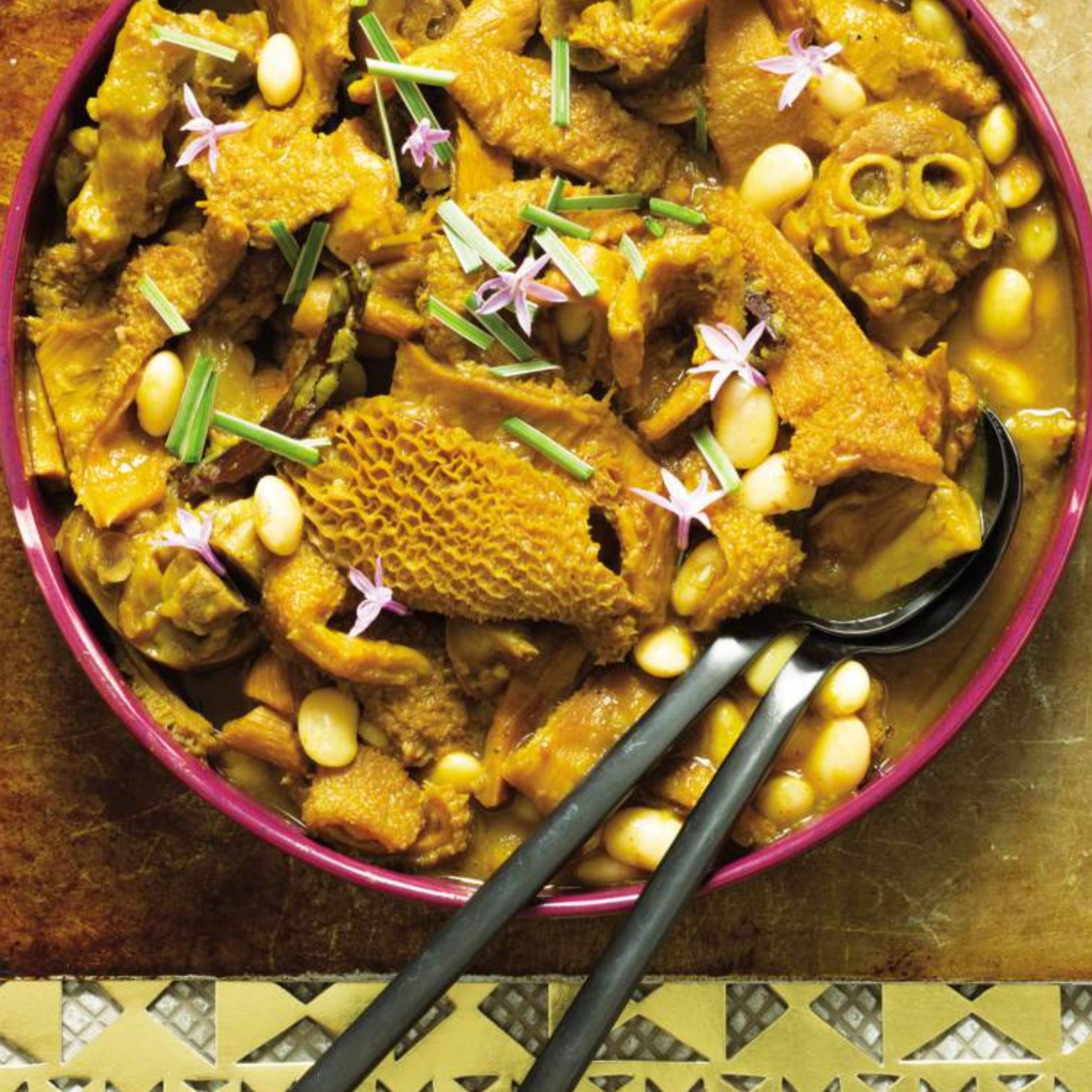
Image: Supplied/Quivertree Publications
Image: Supplied/Quivertree Publications
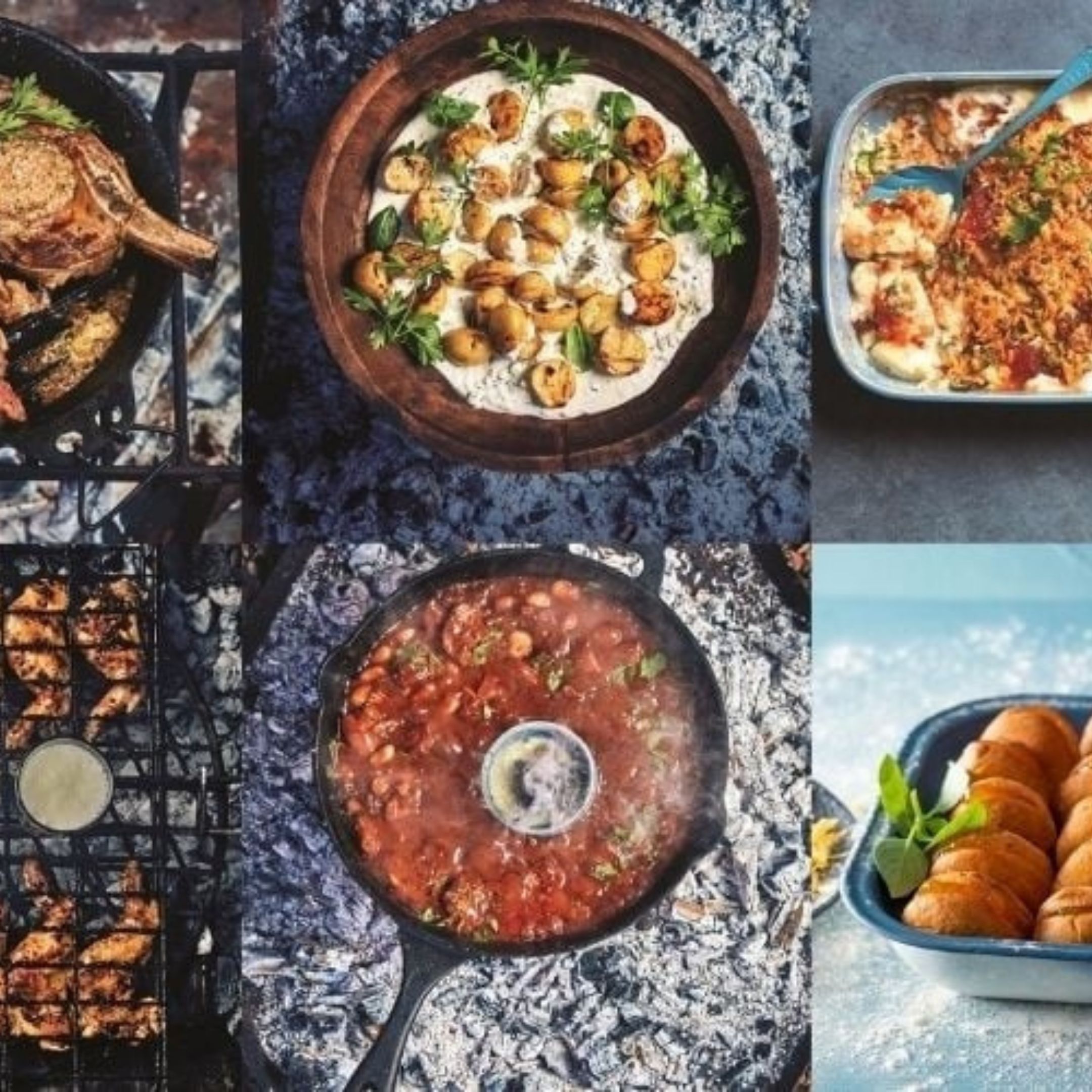

Image: Vogue/YouTube
Image: Vogue/YouTube
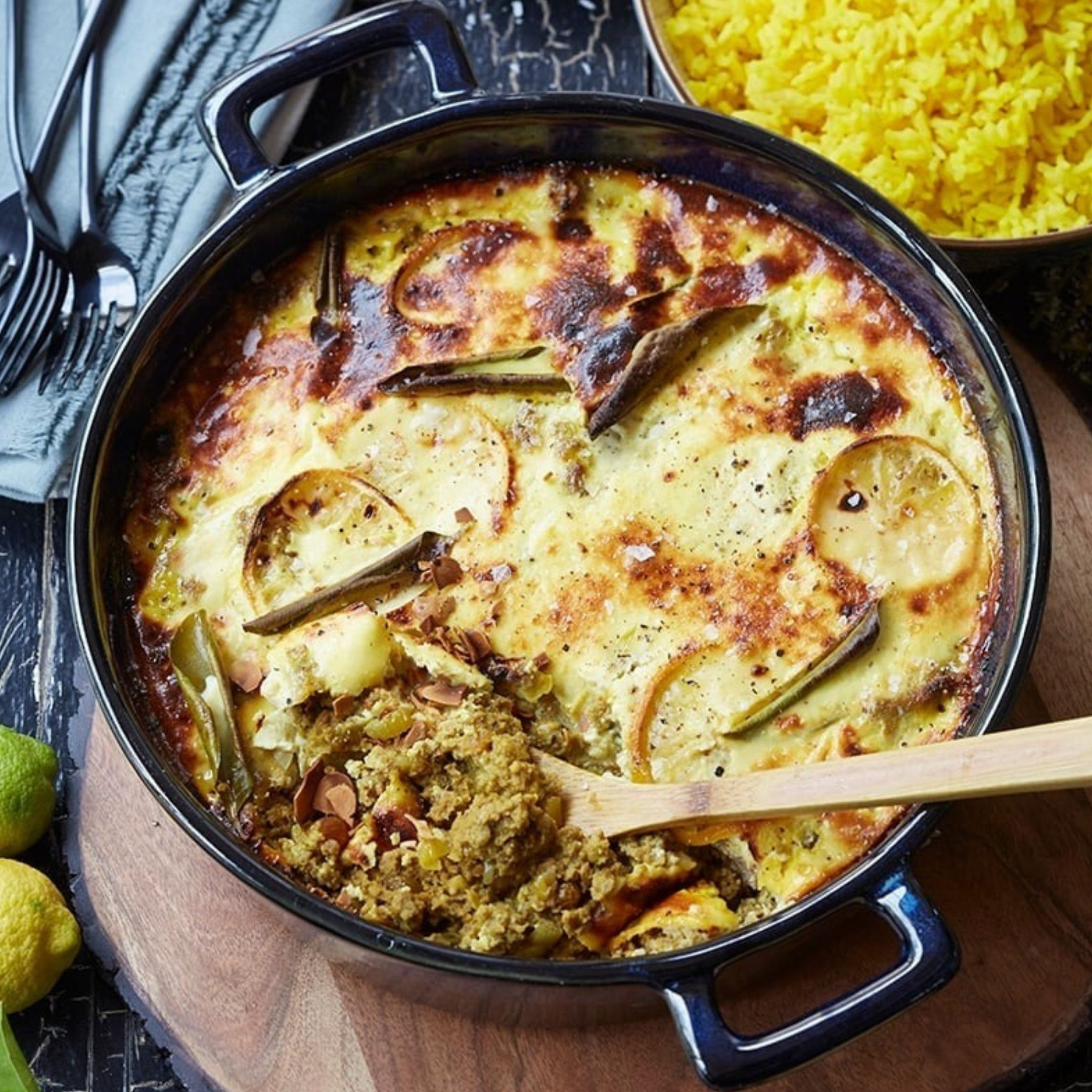


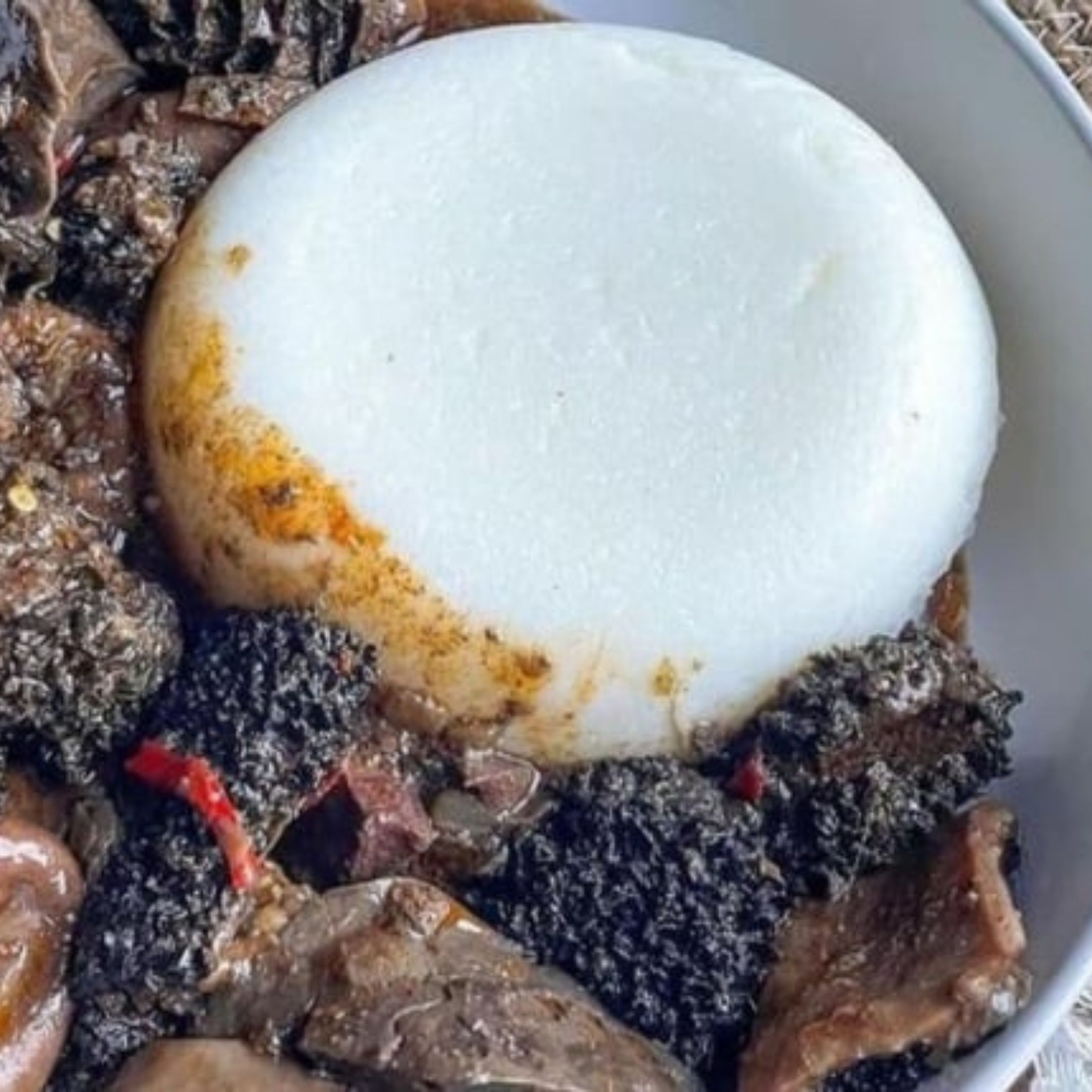
Image: Mzwandile Mamaila
Image: Mzwandile Mamaila
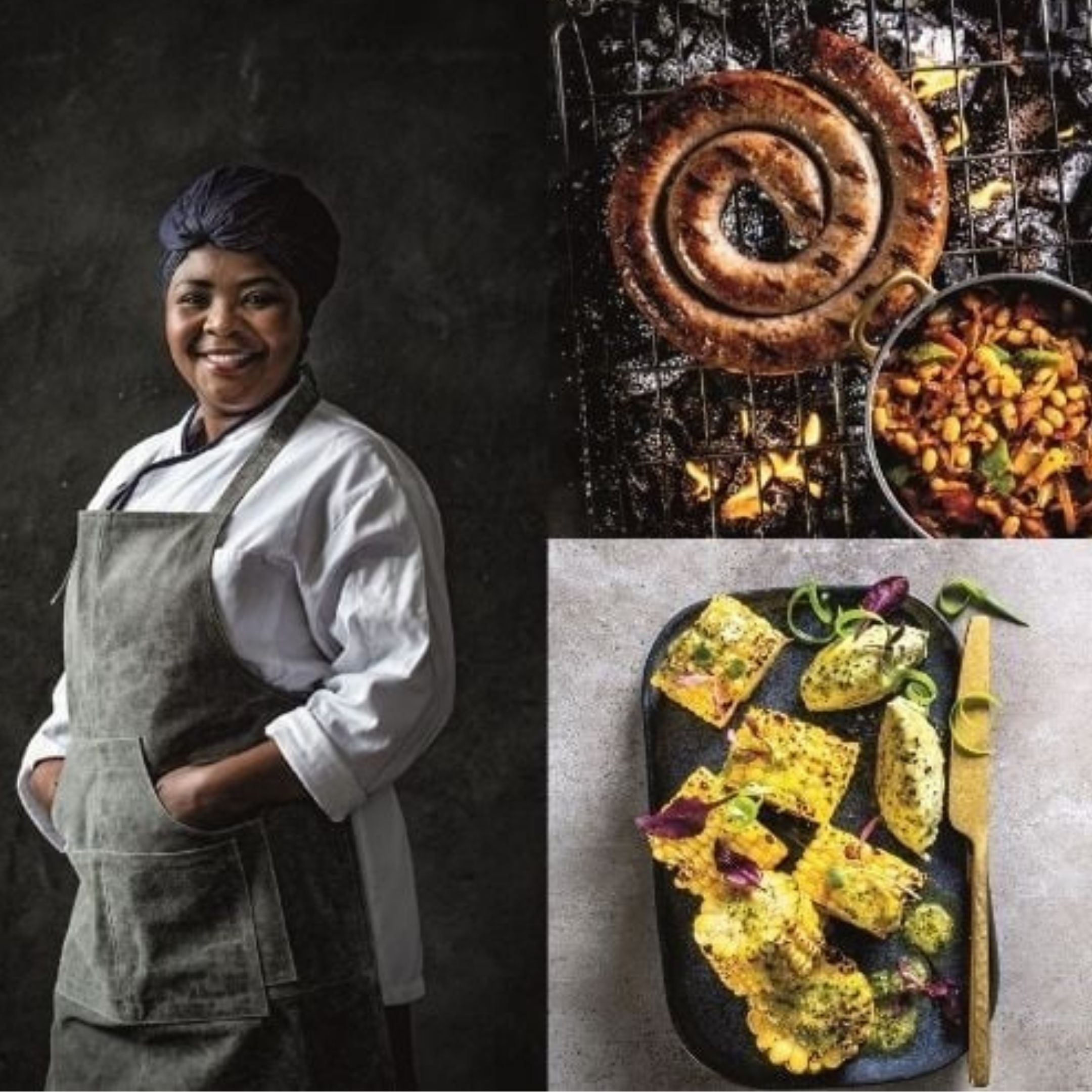
Image: Supplied/News24
Image: Supplied/News24
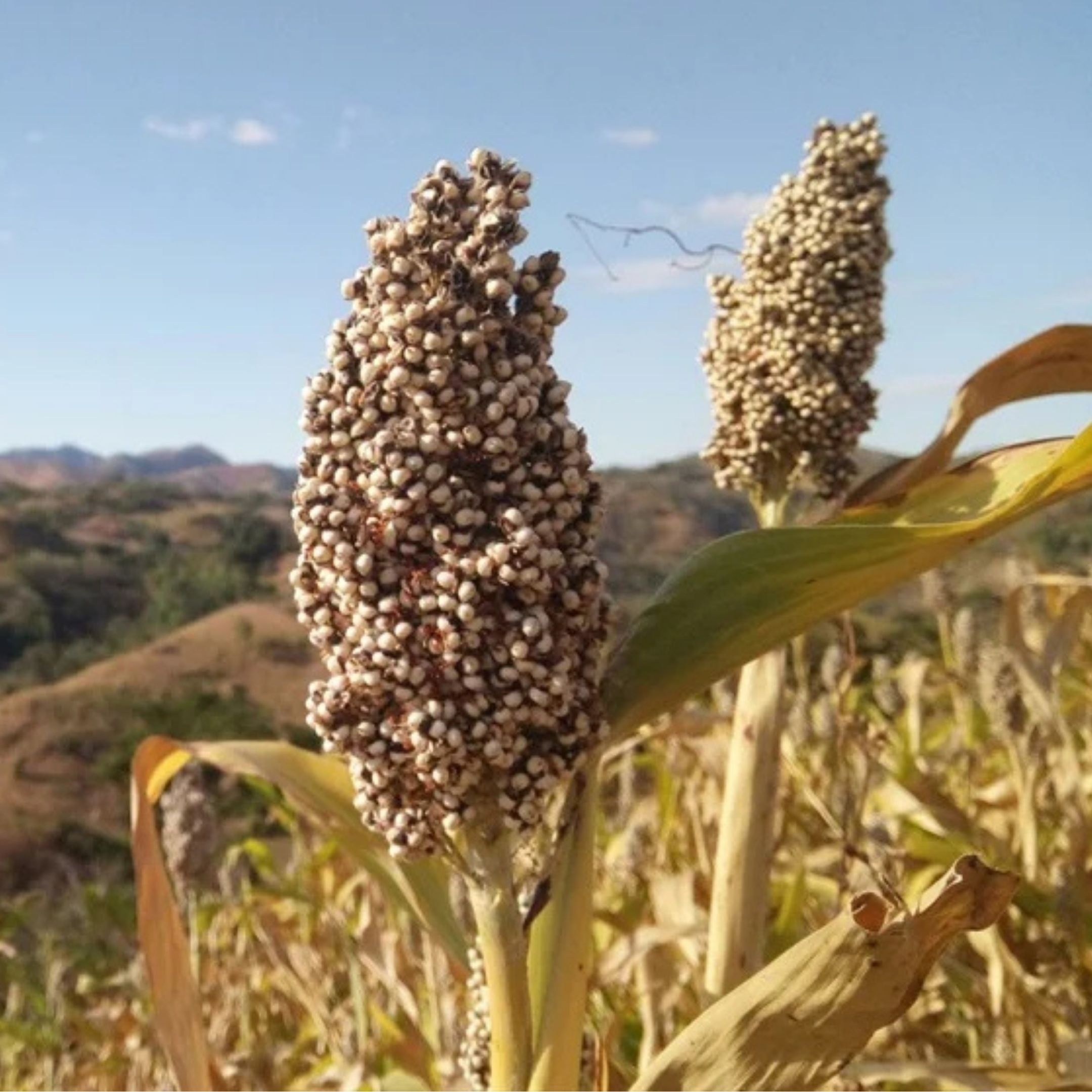
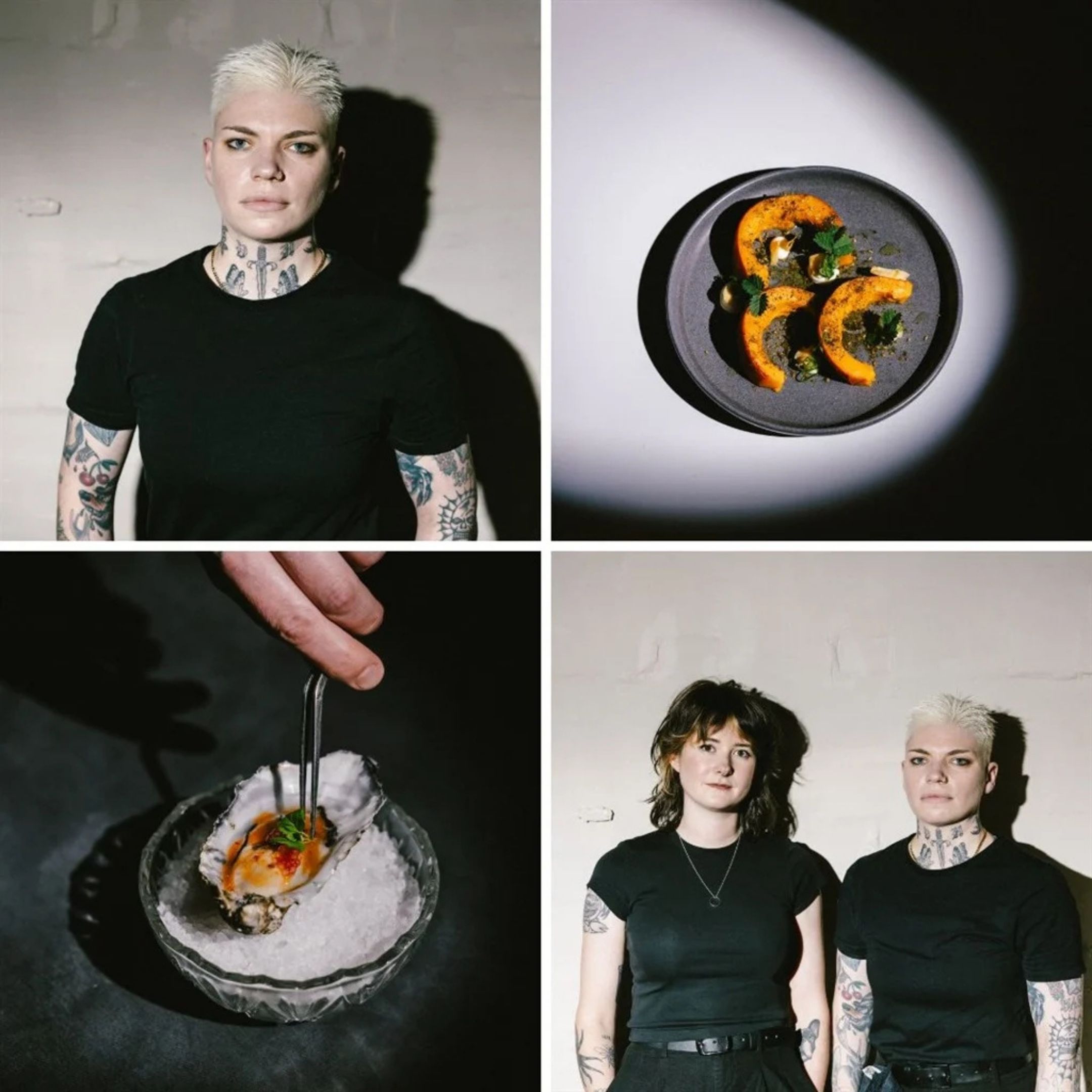
Image: Supplied/Rabbit
Image: Supplied/Rabbit
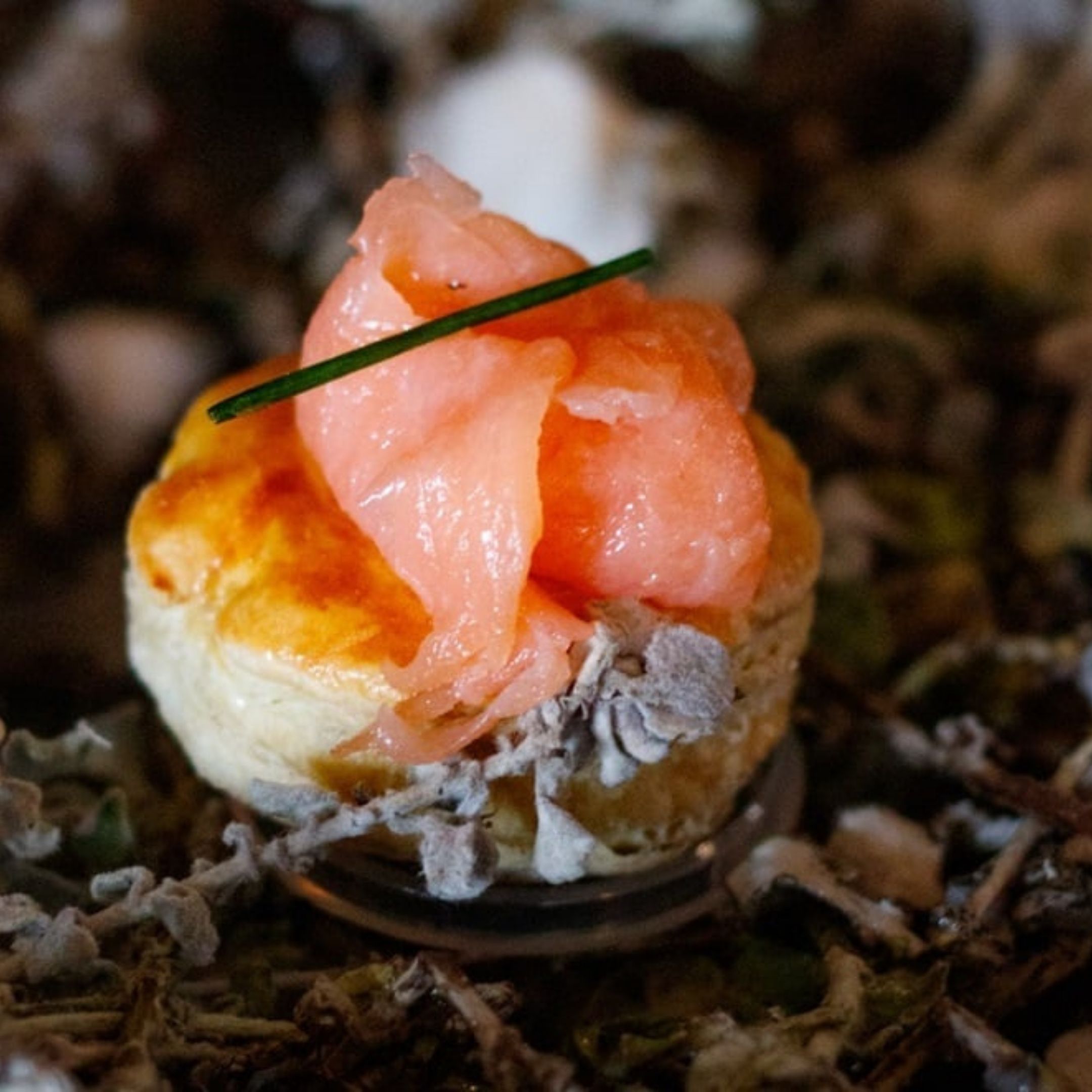
Image: Supplied/News24
Image: Supplied/News24
Our subscribers are not just supporters; they are our partners in delivering in-depth journalism. By subscribing, you empower us to delve deeper into every facet of South African life. Dive in and join us on this journey.
News24 Assistant Editor for Lifestyle: Mbali Soga
Food Editor: Kelly Anderson
Journalist: Noluthando Ngcakani
Production: Hanlie Gouws, Denver Keytle
Design: Sharlene Rood, Mihle Mdashe
Sub-editor: Danni Marais, Glenn Bownes
Image credits: audreynoltepainter / Getty Images Signature; Mdabula / Adobe Stock; Graham / Adobe Stock; The Picture Pantry / Adobe Stock; Mike Jones / Canva; Olena Mykhaylova / Getty Images; Anastasiia Voloshko / Getty Images; hipokrat / Getty Images; Dotpolkadot234 / Canva; bonchan / iStock/Getty Images Plus; LuVo / Getty Images; Rainer Lesniewski / iStock / Getty Images Plus; Wirestock / iStock / Getty Images Plus; Graham Montanari / iStock / Getty Images Plus; Aninka Bongers-Sutherland/ iStock / Getty Images Plus; poco_bw / lucian coman's Images / Canva; Clay10 / Getty Images; phodopus / Canva; AJ Paulsen / Getty Images; bdspnimage / Canva; Viorela Florescu's Images / Canva; Baks / Getty Images.
 Built with Shorthand