



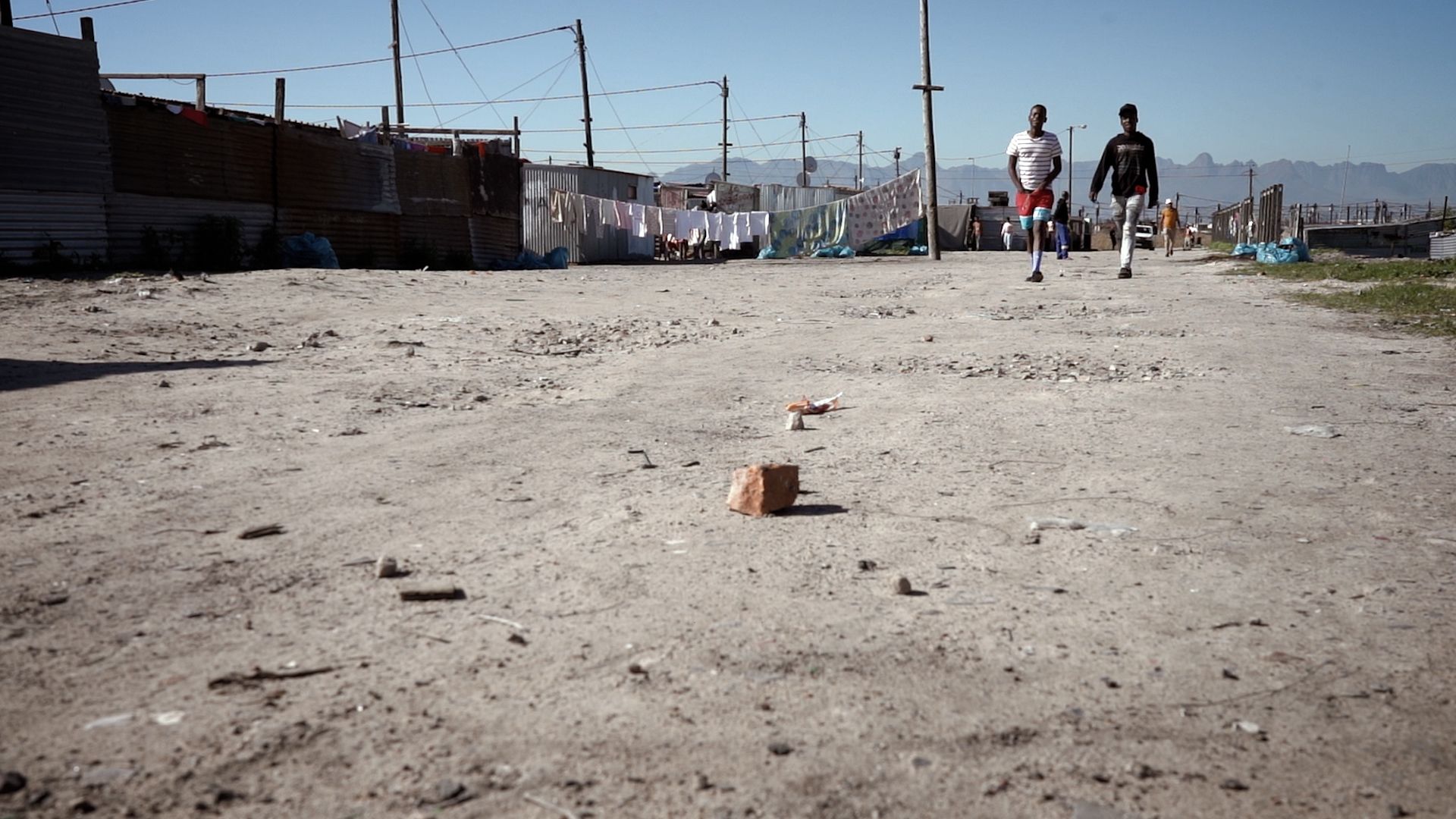
No Place to Call Home, a News24 documentary, tells the stories of Cape Town residents grappling with the housing crisis.
Cape Town's housing crisis is pushing more residents to the brink of eviction, growing informal settlements and homelessness.


THE PEOPLE

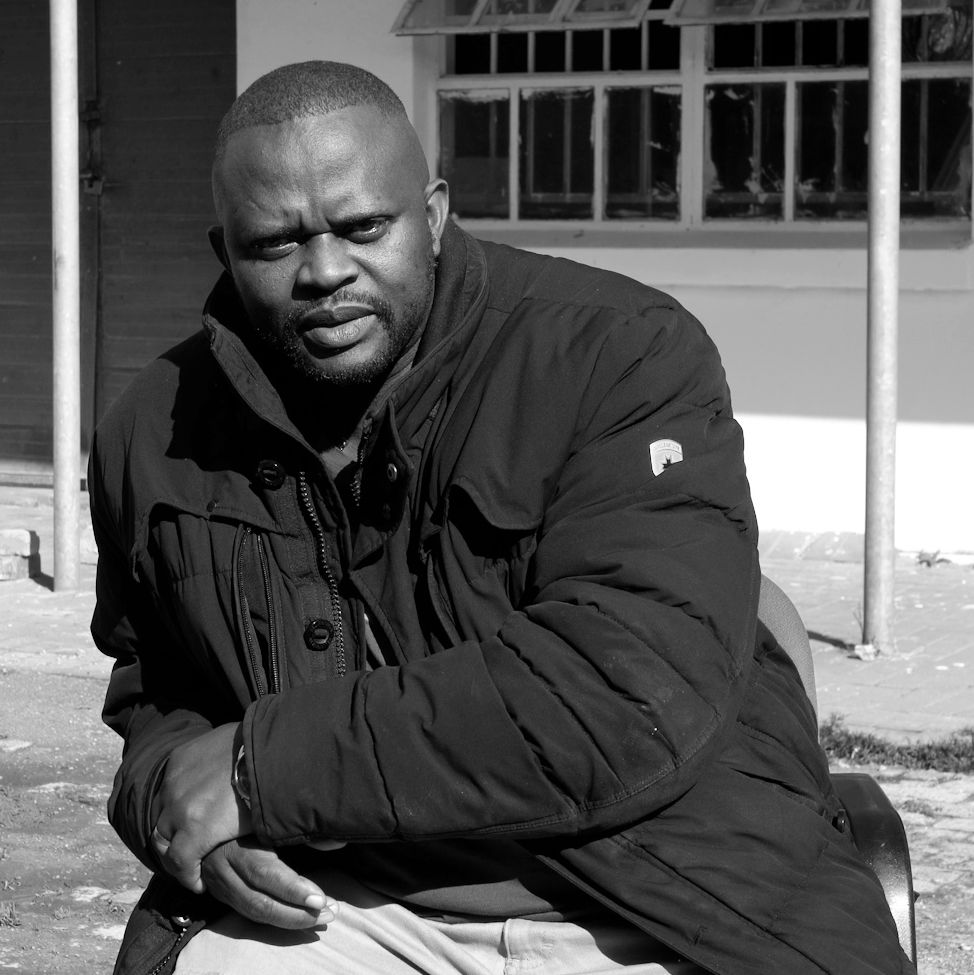
Veza Nethi
Veza Nethi is the secretary of the Khayelitsha Development Forum (KDF), lobbying for, among other things, infrastructure improvements in the community, which has grown rapidly since the dawn of democracy. Nethi previously held leadership positions in the South African National Civic Organisation (Sanco) and has consistently called for better service delivery in Cape Town's poorer areas while discouraging illegal land invasions.

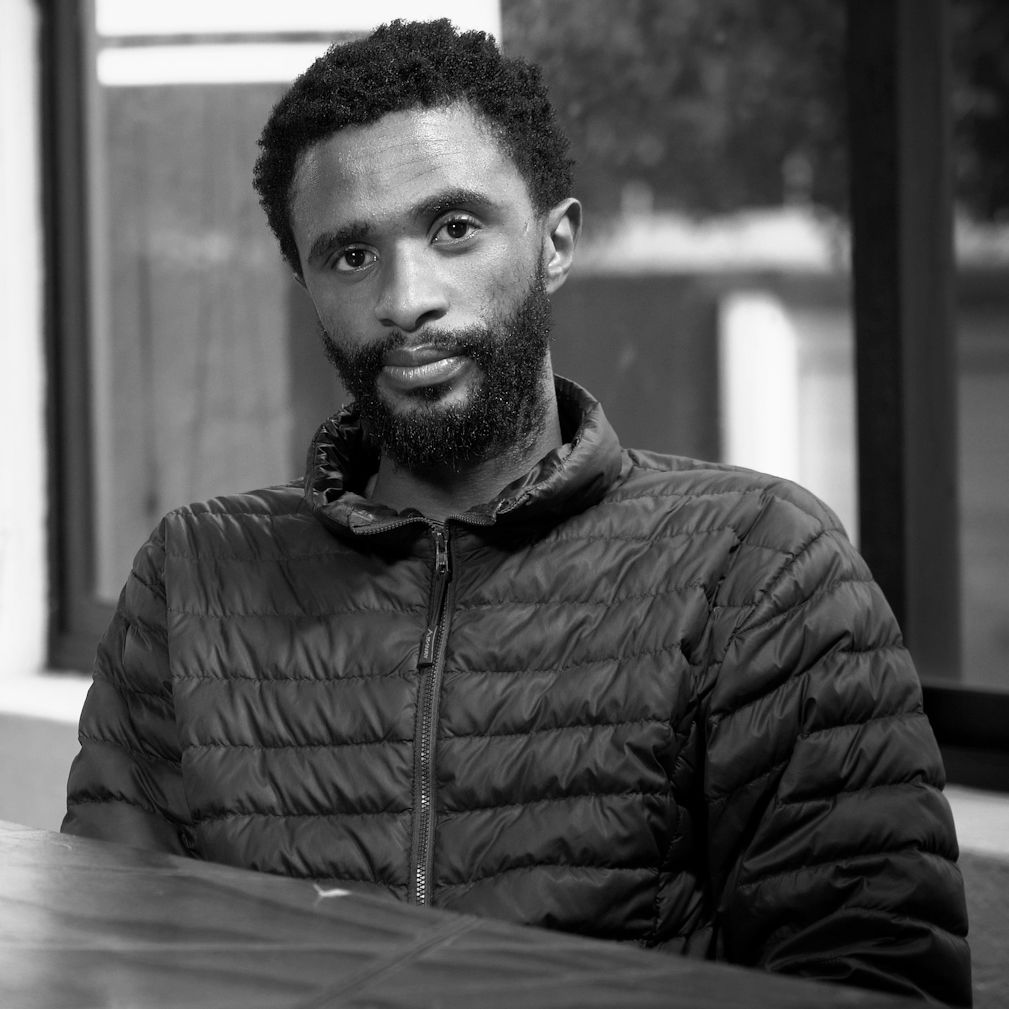
Buhle Booi
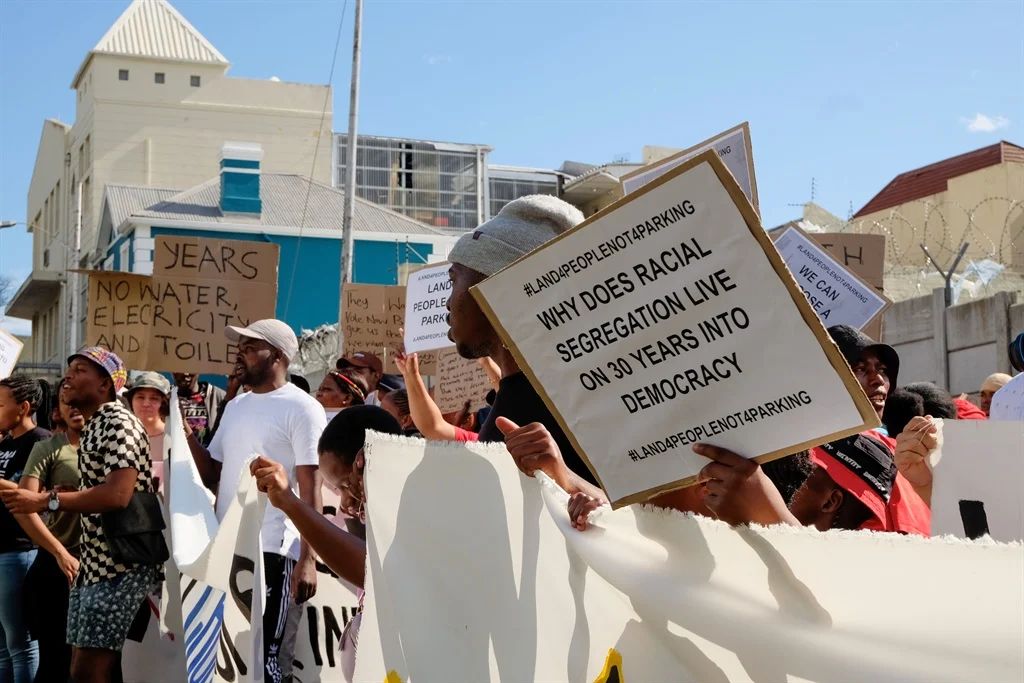
Buhle Booi is the head of political organising at Ndifuna Ukwazi, a housing activist organisation and law centre based in Cape Town. Recently, Booi was at the forefront of the #Land4PeopleNot4Parking campaign, which proposed housing developments on four state-owned parking lots in the city centre. This development could provide close to 1 000 social housing apartments and "address Cape Town's violent history of spatial injustice".


Carl Pophaim
Carl Pophaim, appointed as Cape Town's mayoral committee member for human settlements in August 2023, is responsible for the City's delivery of housing and housing services. After serving on the City's portfolio committee for human settlements for almost five years, Pophaim was thrust into the top spot following the dismissal of his predecessor, Malusi Booi. Booi is currently facing charges in a R1 billion tender fraud case, which has links to Cape Town's underworld and "construction mafia" extortion.
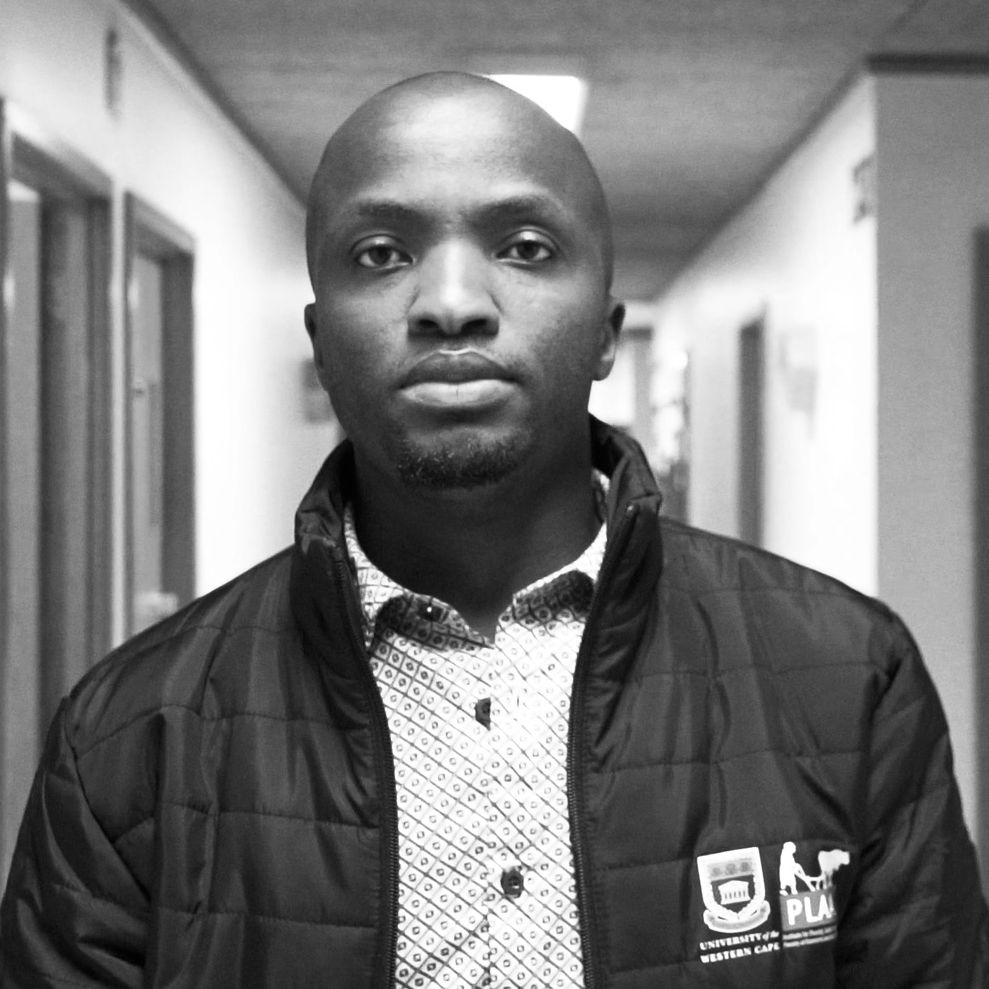
Nkanyiso Gumede
Nkanyiso Gumede joined the Institute for Poverty, Land and Agrarian Studies (PLAAS), based at the University of the Western Cape, in 2016. Gumede's current research focuses on inclusive urban land reform in South Africa, while his previous work deals with agrarian labour, food systems, and largescale agricultural investments in communal areas.

Luthando Mcuntula
Luthando Mcuntula is a resident and community leader in the Covid-19 informal settlement located on Driftsands Nature Reserve between Delft and Mfuleni on the outskirts of Cape Town. Mcuntula invaded the land during the Covid-19 pandemic after losing his job and his residence in Monwabisi Park, Khayelitsha. Since moving to the area in early 2021, Mcuntula has been at the forefront of clashes with police attempting to evict people from the land and has called on the government to provide adequate services to the growing informal settlement.

Farieda Benting & Sheradia Brown
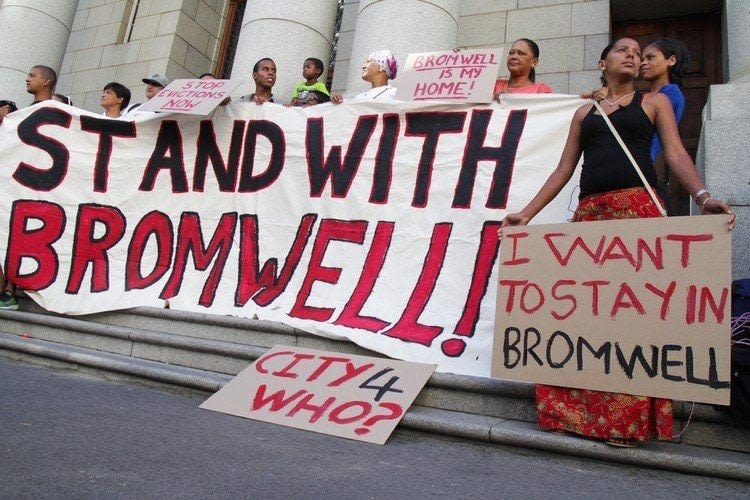
Farieda Benting and Sheradia Brown are lifelong residents of Shelley Road in Salt River, a traditionally working-class suburb bordering Cape Town's inner city. Together with the neighbouring suburb of Woodstock, gentrification has changed the socioeconomic and demographic makeup of the area in recent years. The same trend of evictions which started in Woodstock almost 20 years ago has started to creep into Salt River. Benting and Brown, together with other Shelley Road residents, were recently served with notices of an "intention to sell" their City-owned homes. These notices were later retracted following backlash.

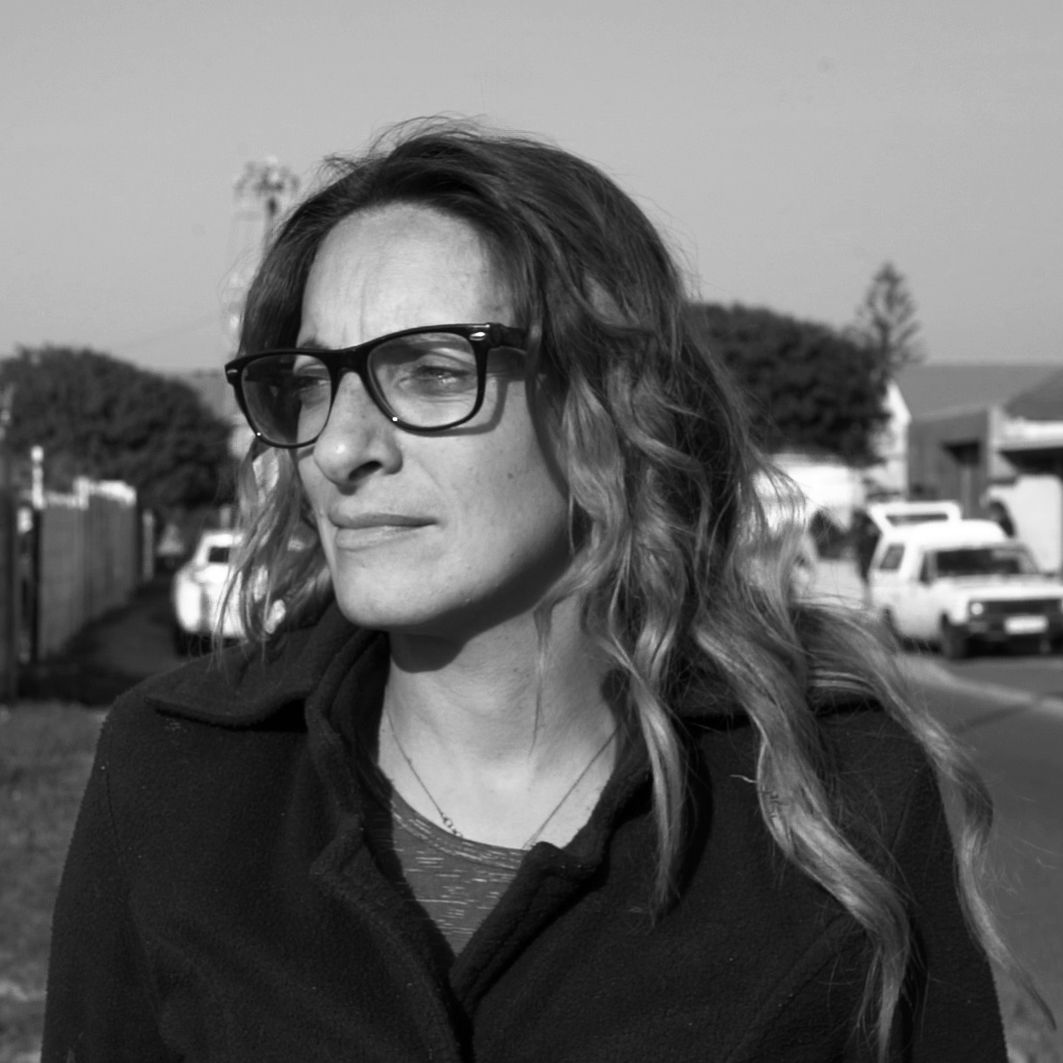
Lee-Ann Horne
Lee-Ann Horne lives with her husband and three children in a suburb eight kilometres from Cape Town's city centre. Horne and her family moved into a backyard shed after being evicted from their home during the Covid-19 pandemic. The family, once again, faces the prospect of experiencing homelessness, with their current accommodation scheduled to be demolished to make way for an apartment complex.

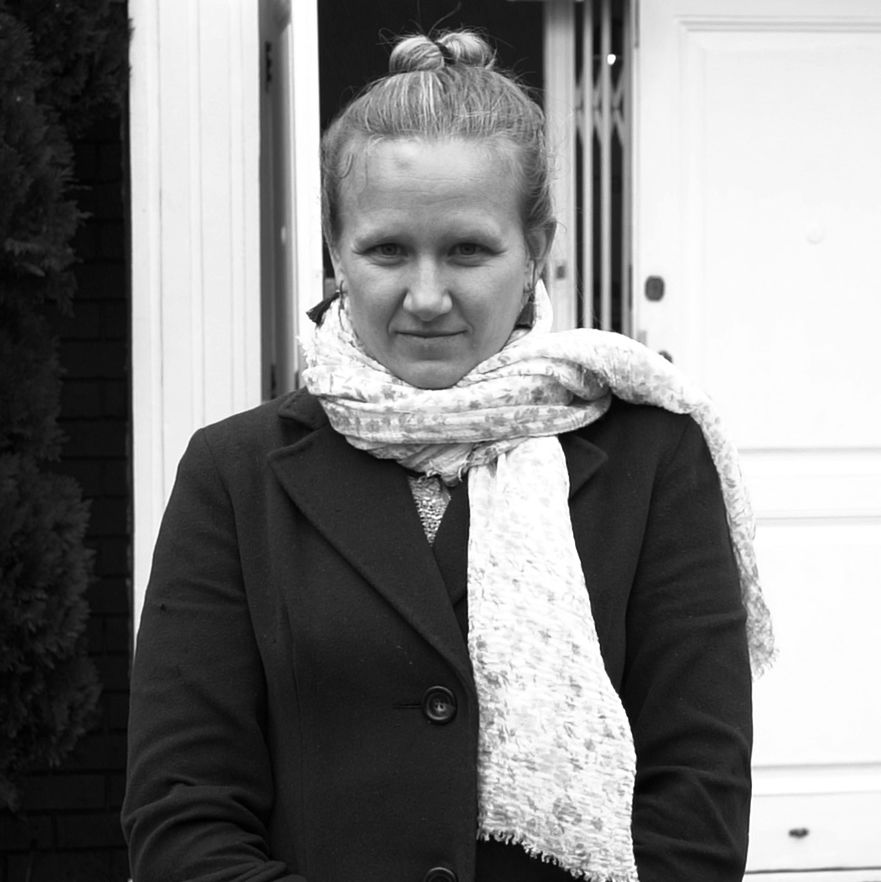
Lise van den Dool
Lise van den Dool is an occupational therapist and the chief programme officer at U-Turn, an organisation that aims to steer people out of homelessness through a skills-based programme. Its 2019 study into the cost of homelessness in Cape Town found that more than 14 000 people were experiencing homelessness. It's understood that this number has drastically increased since the Covid-19 pandemic.

Ursula Felkers
Ursula Felkers grew up and lived all her life in the Cape Town suburb of Woodstock, bordering the city centre, until her eviction and relocation to Blikkiesdorp, 30 kilometres away, in 2007. At the time, Felkers and other Blikkiesdorp residents were promised formal houses by the City of Cape Town and that Blikkiesdorp would only be a temporary relocation site. More than 15 years after its formation, Blikkiesdorp still stands, with Felkers' name among more than 340 000 others on the City's Housing Needs Register. In 2015, her husband was killed by a stray bullet in front of their Blikkiesdorp home.


No Place to Call Home: Cape Town's housing crisis
By Luke Daniel
"That was an empty promise," says Ursula Felkers while recalling her arrival in Blikkiesdorp and the assurances given by the City of Cape Town that the relocation would be temporary, with residents guaranteed new homes within a matter of months.
That was more than 15 years ago.
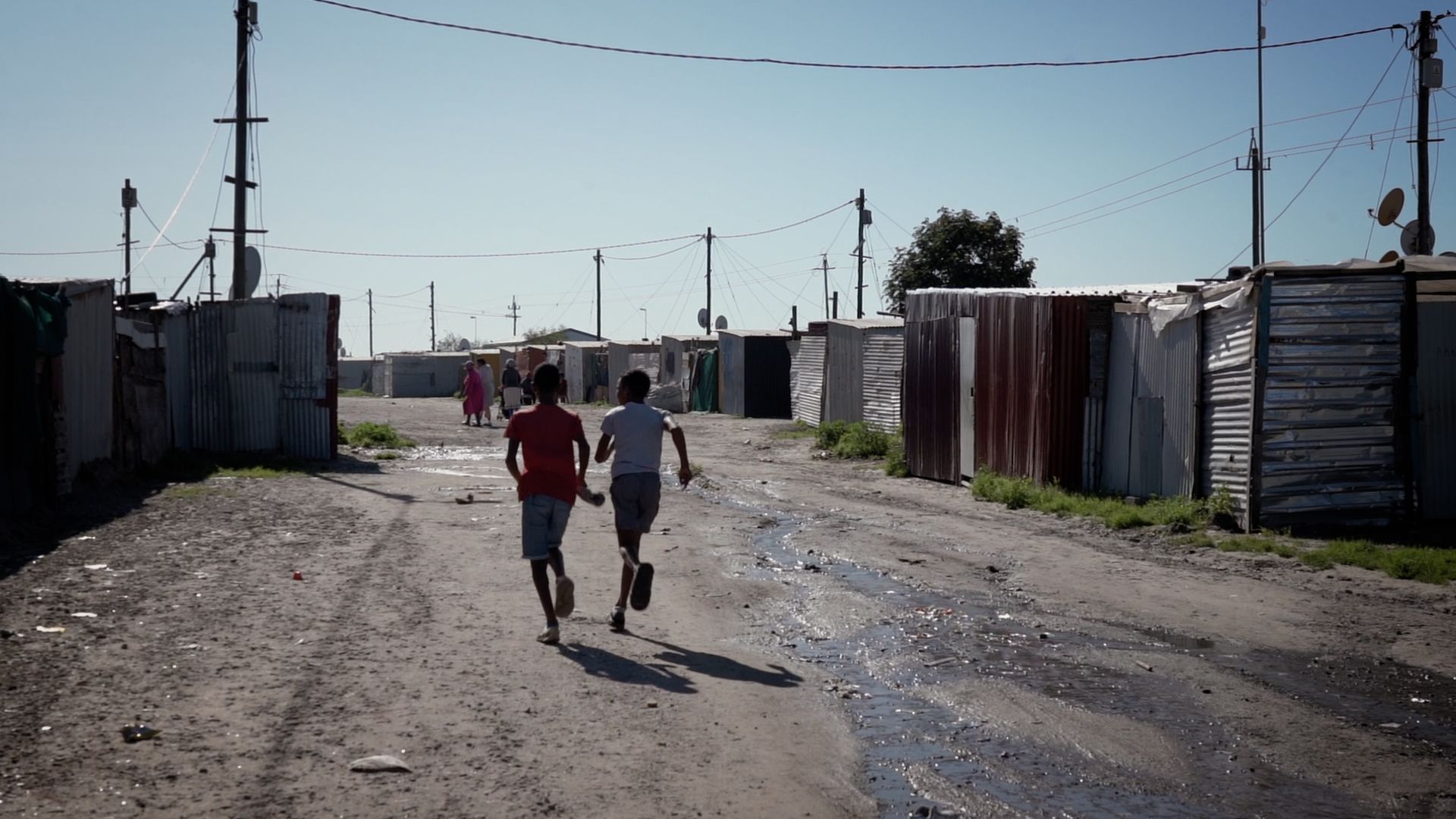
Located almost 30km from the inner-city suburb of Woodstock, Felkers' birthplace, Blikkiesdorp stands as a stark reminder of Cape Town's chronic housing crisis and the prospects facing residents grappling with eviction.
It also bears a painful resemblance to the forced removals of District Six, says Felkers, which was declared a whites-only area under the apartheid government's Group Areas Act.
Homes were bulldozed, and more than 60 000 District Six residents were relocated to the barren Cape Flats.
It's this violent history that makes Cape Town ground-zero for the country's legacy of displacement, particularly susceptible to the label of growing inequality with continued segregation along racial lines.

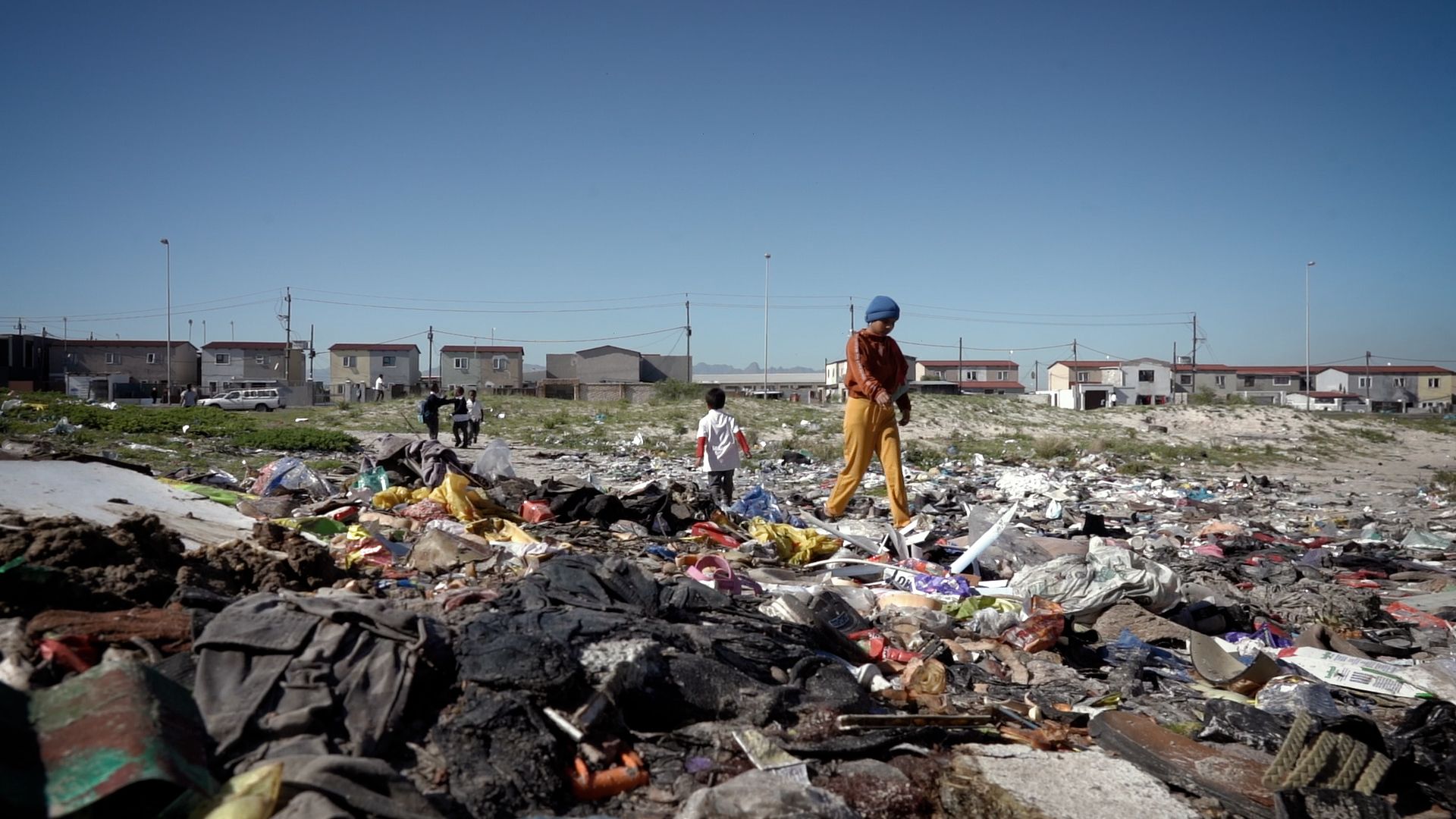


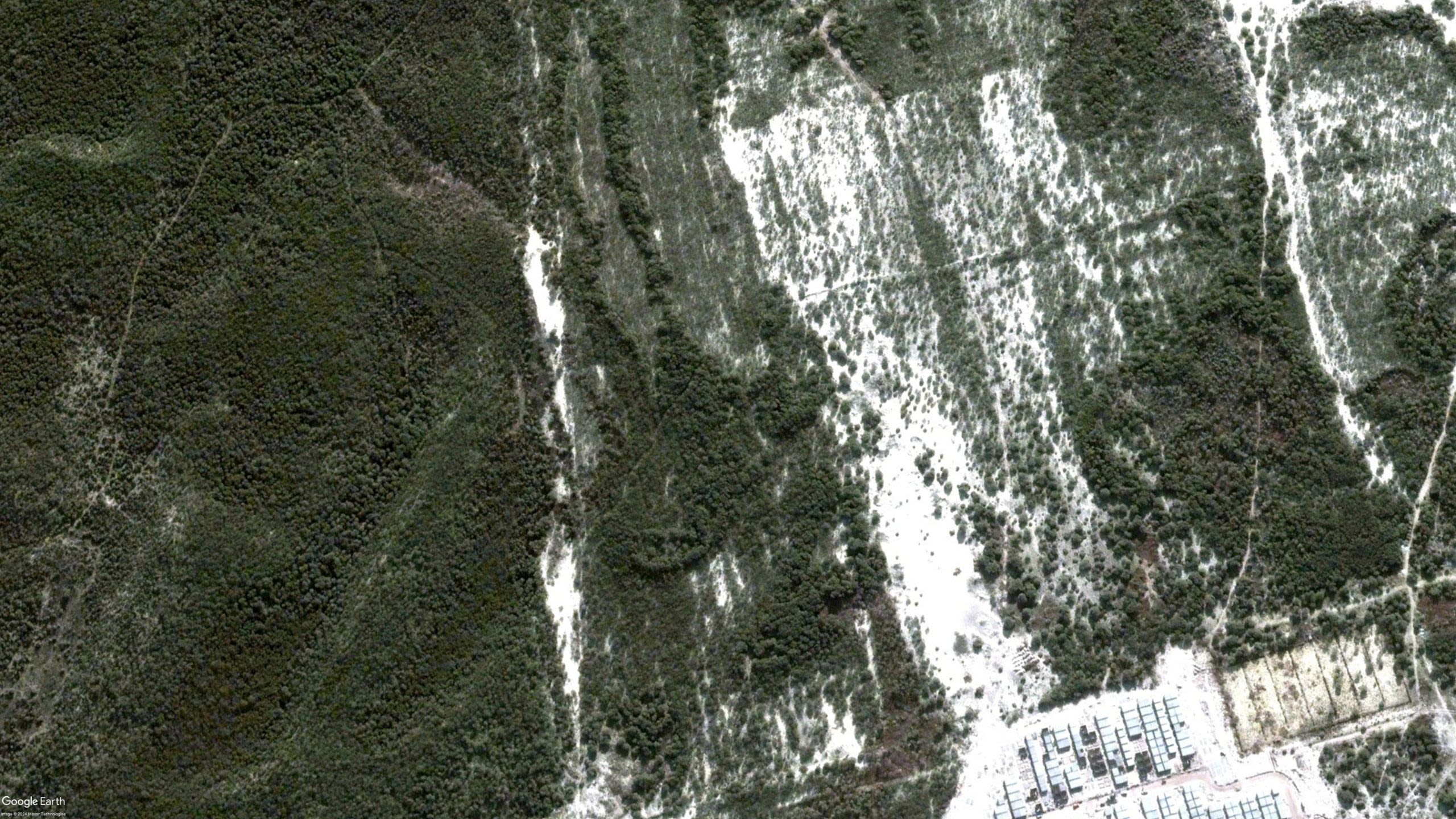

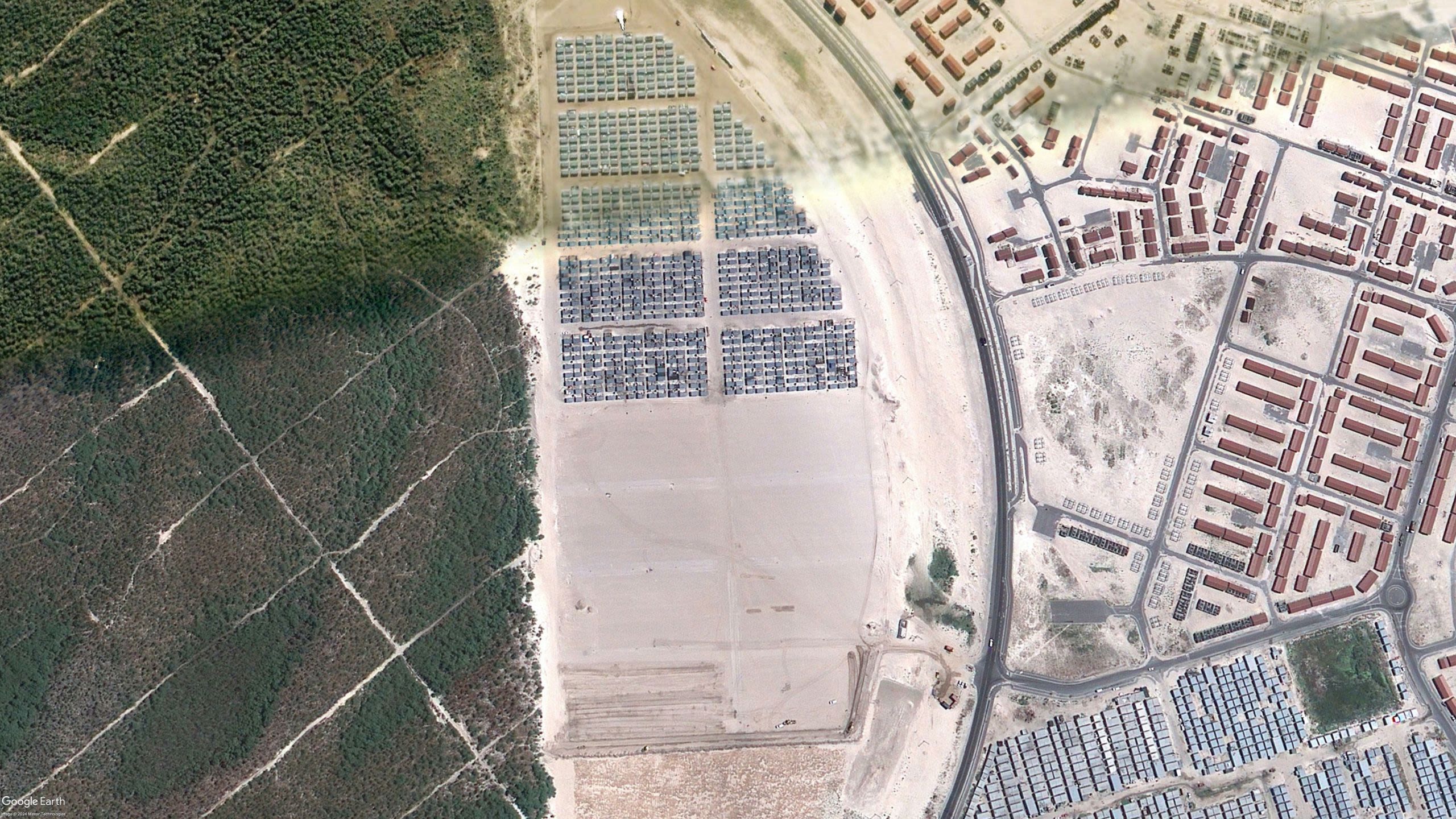

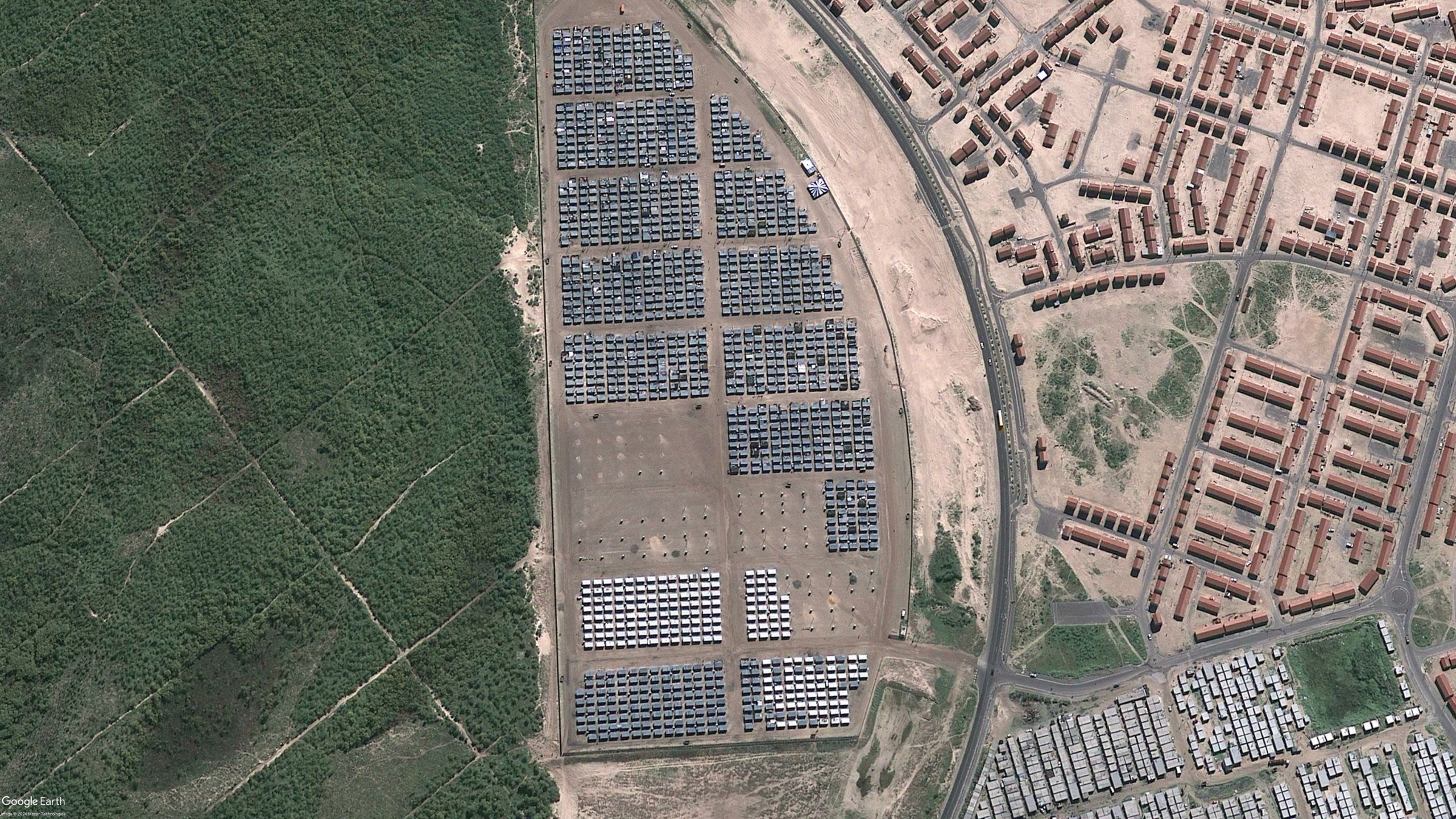

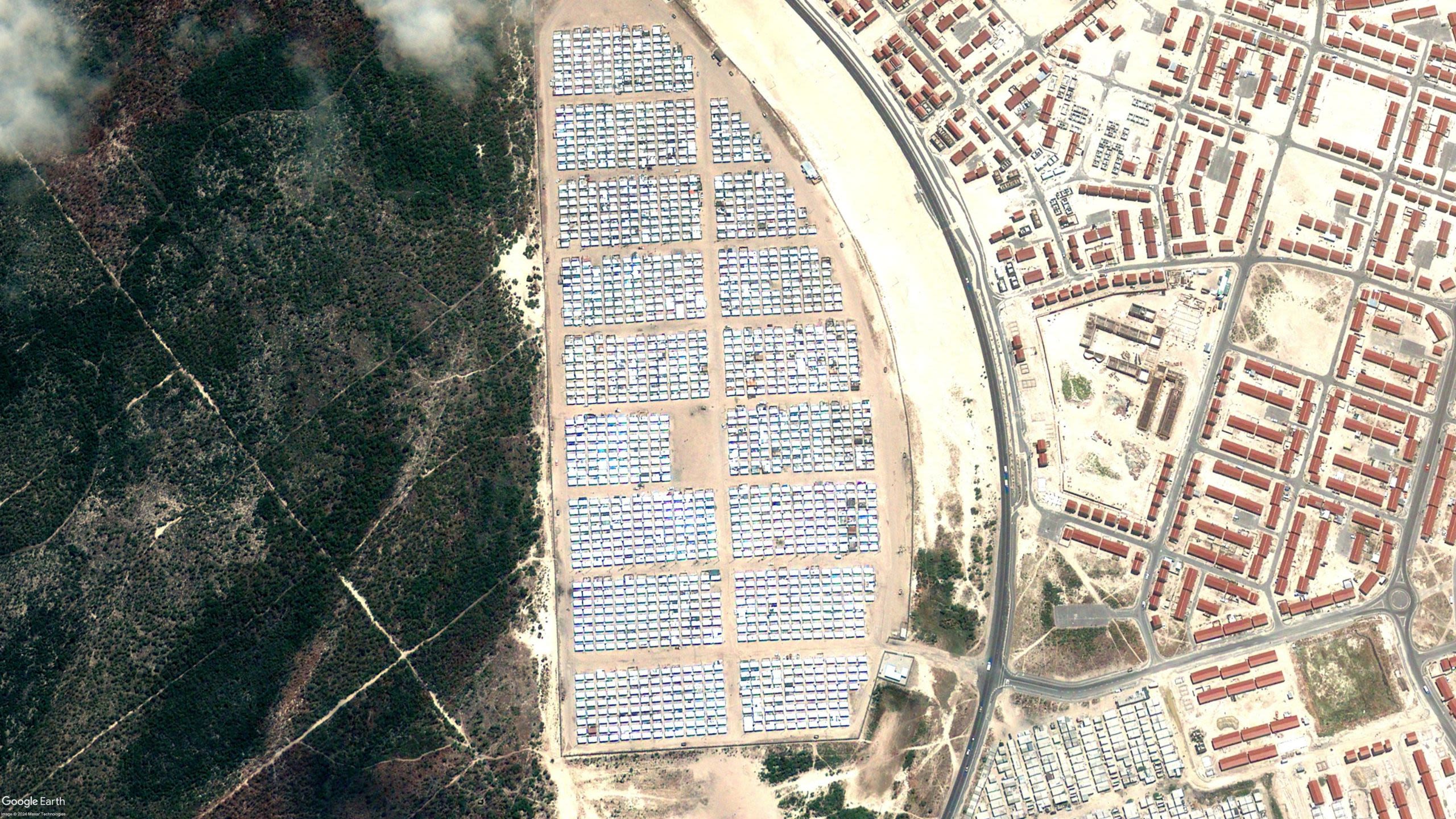

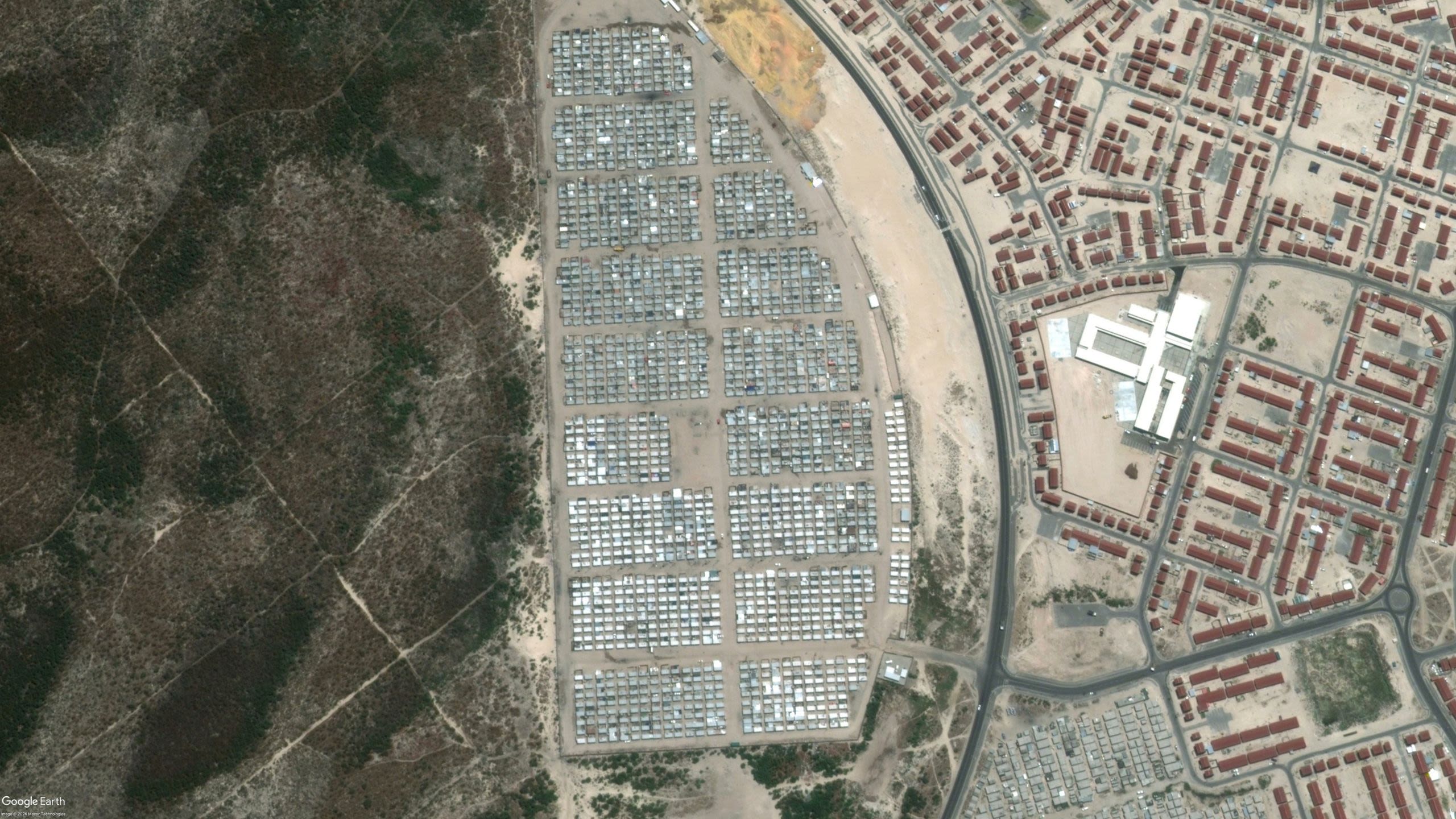

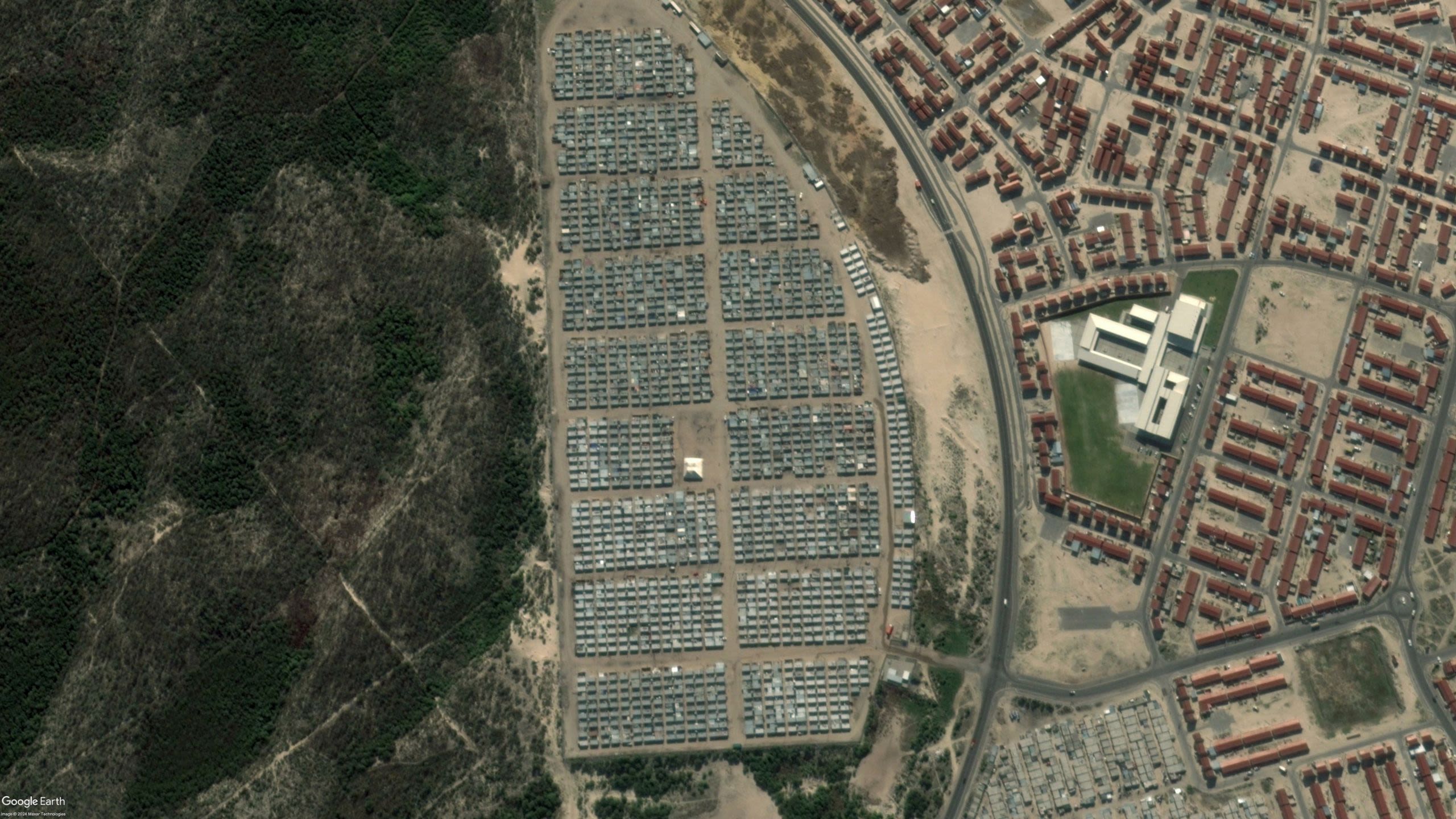

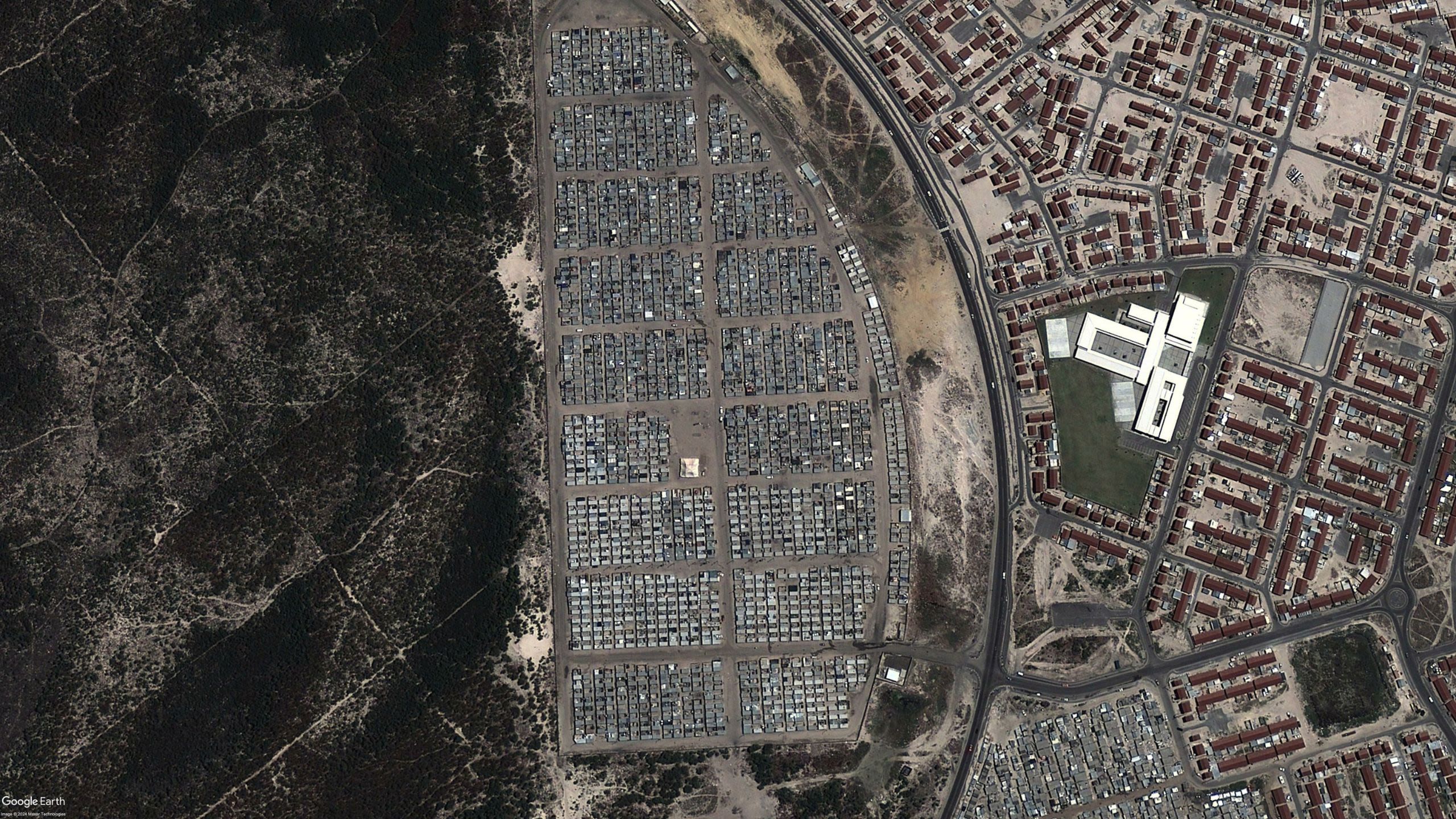

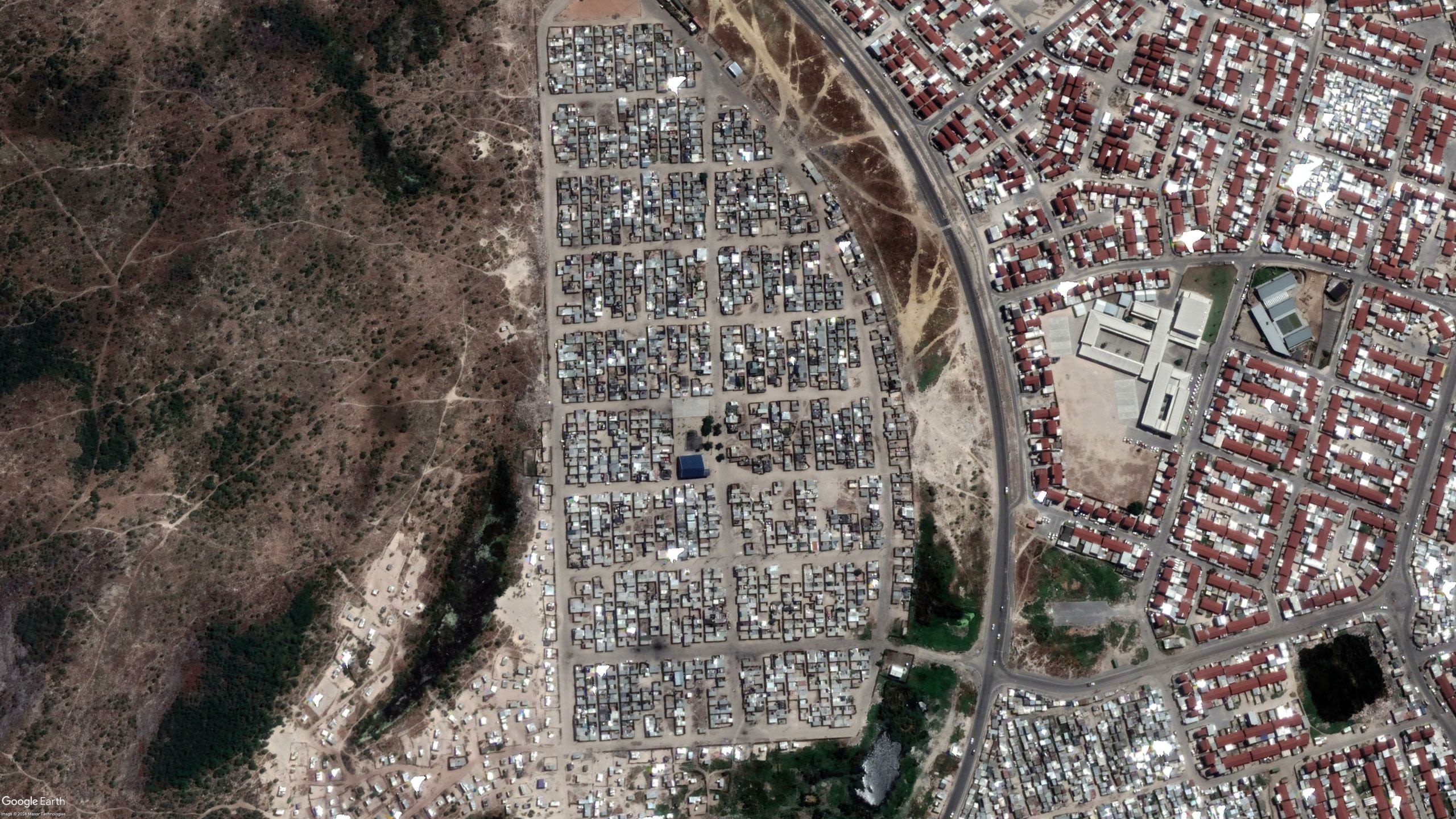
Blikkiesdorp, also known as "Tin Can Town", was established by the City of Cape Town in 2007. Initially founded as a Temporary Relocation Area (TRA), Blikkiesdorp, tucked between Cape Town International Airport and Delft, has been a fierce source of contention among housing activists and the City.
Housing activists and residents argue that the establishment of Blikkiesdorp was part of a broader effort to "clean up" the city and remove informal settlements and people experiencing homelessness from areas that would be visible to international visitors during the 2010 FIFA World Cup.
The City has consistently denied this narrative, maintaining that the relocation was necessary to provide safer and more stable living conditions for these residents.



When Blikkiesdorp was first established as a TRA, with promises to residents of formal homes within a matter of months, it housed approximately 1 600 people.






Today, the area is home to around 25 000 people living in cramped conditions with inadequate infrastructure.
More on Blikkiesdorp

Luke Daniel | News24
Luke Daniel | News24
Living in overcrowded Blikkiesdorp, known as 'the bush of evil', for 17 years
"I find myself in a situation like this where I really don't want to be with my kids. Come on, who wants to live like this? Look!"
These were the heartbreaking words of Ursula Felkers, who moved to Blikkiesdorp after she and a group of other people were evicted from Gympie Street, Woodstock, Cape Town, in 2006 and relocated to Blikkiesdorp, out of the CBD's periphery and away from economic opportunities.
She has been living there for more than 15 years.
"Is Cape Town more unequal [compared to other South African cities]? No, I think we're doing a lot more to bring communities together, uplift communities, and empower communities," says Carl Pophaim, the mayoral committee member for human settlements.
"But, naturally, because of the history that this country faces, there is a fundamental divide in class, which is aligned to race."
Carl Pophaim

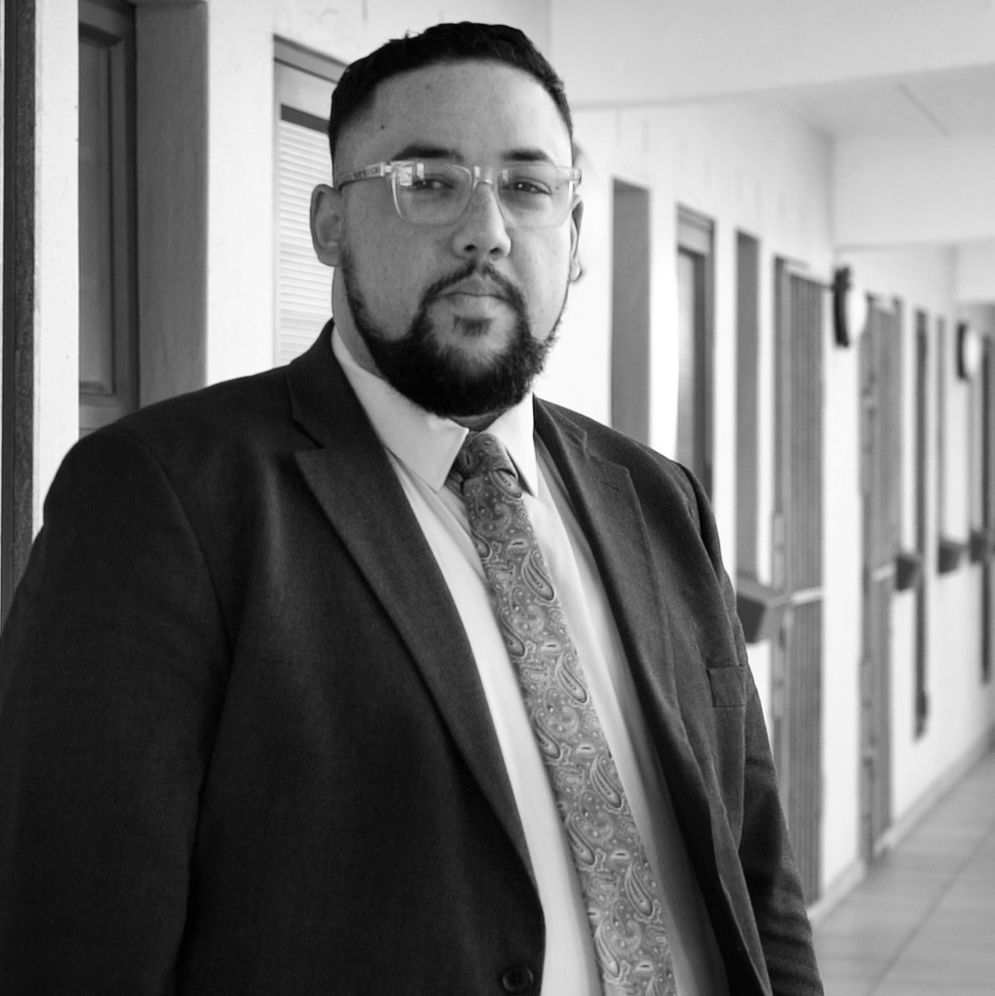
Pophaim describes undoing the legacy of apartheid spatial planning, which pushed black and coloured residents to the periphery of the city, isolating them from economic opportunities, further entrenching intergenerational poverty, as a "difficult and unenviable" task.
In some ways, too, he alludes to the city becoming a victim of its own success, with Cape Town being the only metropolitan municipality to receive consecutive clean audits and rated highly for service delivery.
That's hastened rapid urbanisation, with more people moving to Cape Town in search of better opportunities, adding to city's already-strained housing supply.
The buying power of foreign investors, actively sought by the City of Cape Town, has also made it harder for locals to compete.
It's a combination of factors which has brought high levels of informality to Cape Town, says Pophaim.
He added:
"Cape Town sits with around 900 informal settlements, [with] around 180 000 households living in informality."
Carl Pophaim
The City's own housing register, where residents can apply for formal housing, is nearing half a million individuals.
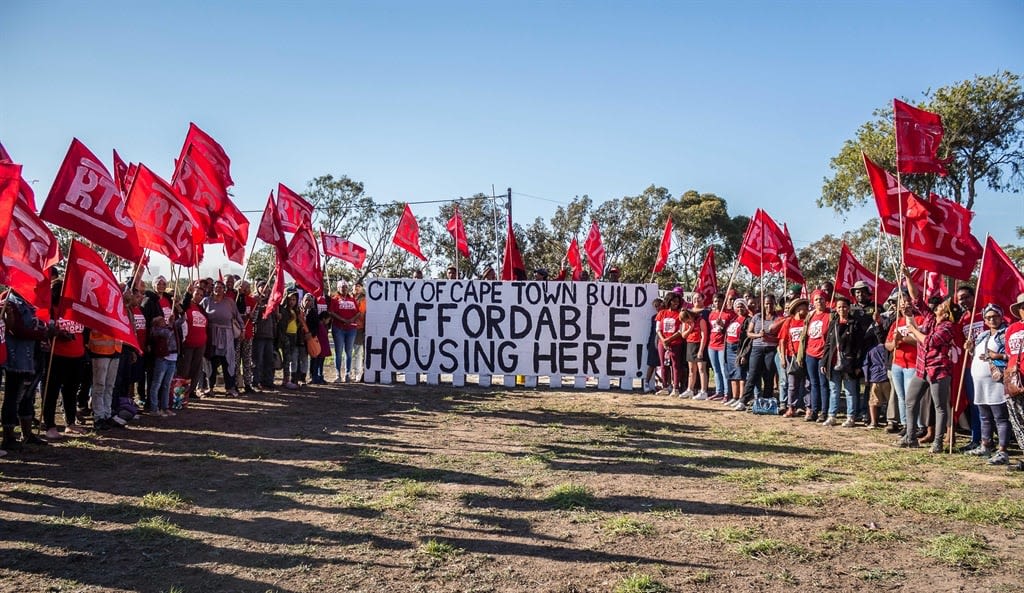
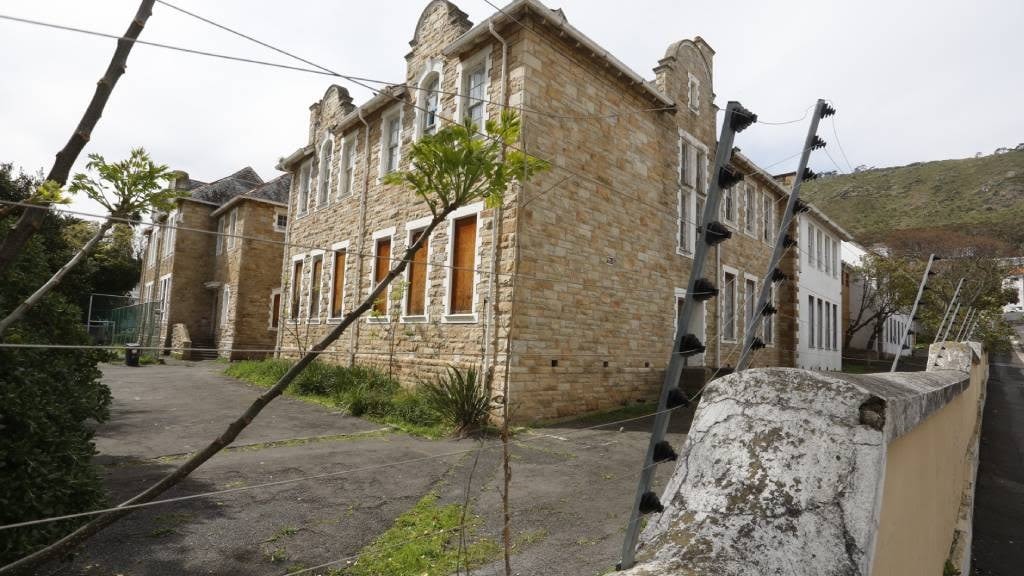
And while the City has made progress in releasing land for affordable housing, with more than 6 500 units in the immediate planning pipeline, housing activists say the government's response to the crisis has been too slow, failing to repurpose inner-city land as a means of spatial redress.
"It cannot be that 30 years into the so-called democratic dispensation, there are these disparities in society. There must be social integration; people must coexist and learn to live with one another.
Buhle Booi, the head of political organising at Ndifuna Ukwazi

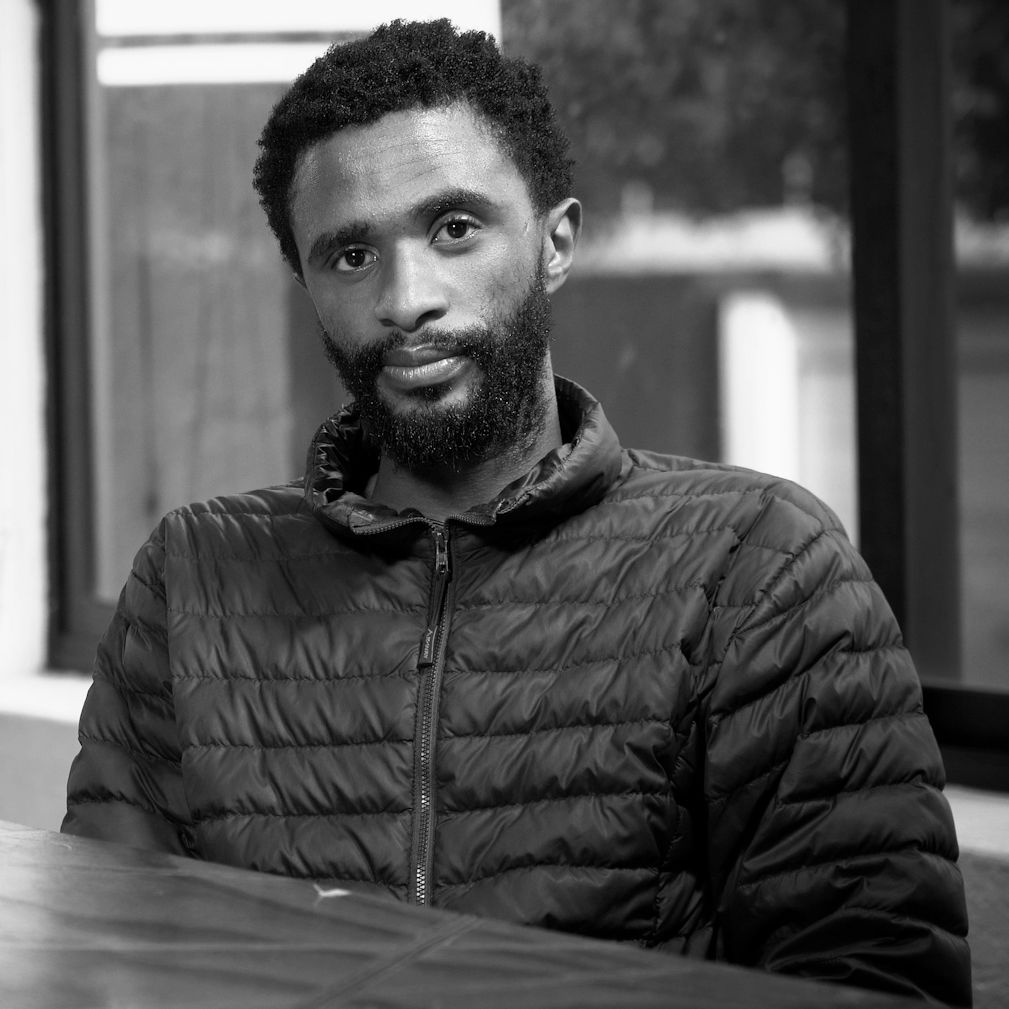
"The City views land as a commodity, as something to be sold to the highest bidder. They don't view land for its social value, as something that can accelerate social transformation, says Booi.
In No Place to Call Home, a new documentary by News24, we explore Cape Town's housing crisis through the experiences of those living in uncertainty.
From illegal land occupations peaking during the Covid-19 pandemic to the gentrification of historic neighbourhoods and residents' proximity to homelessness, the documentary shines a light on the other side of Cape Town.

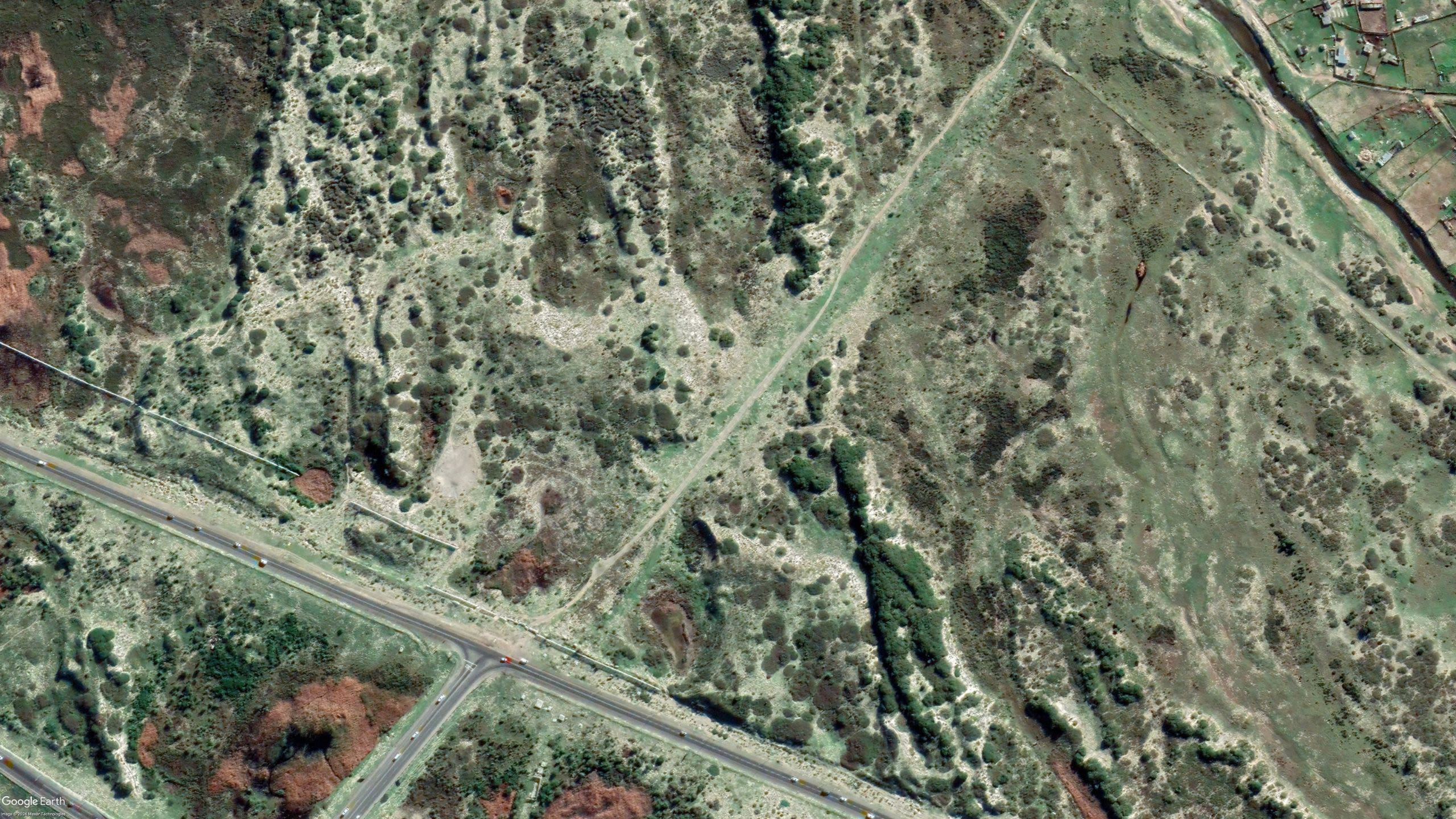

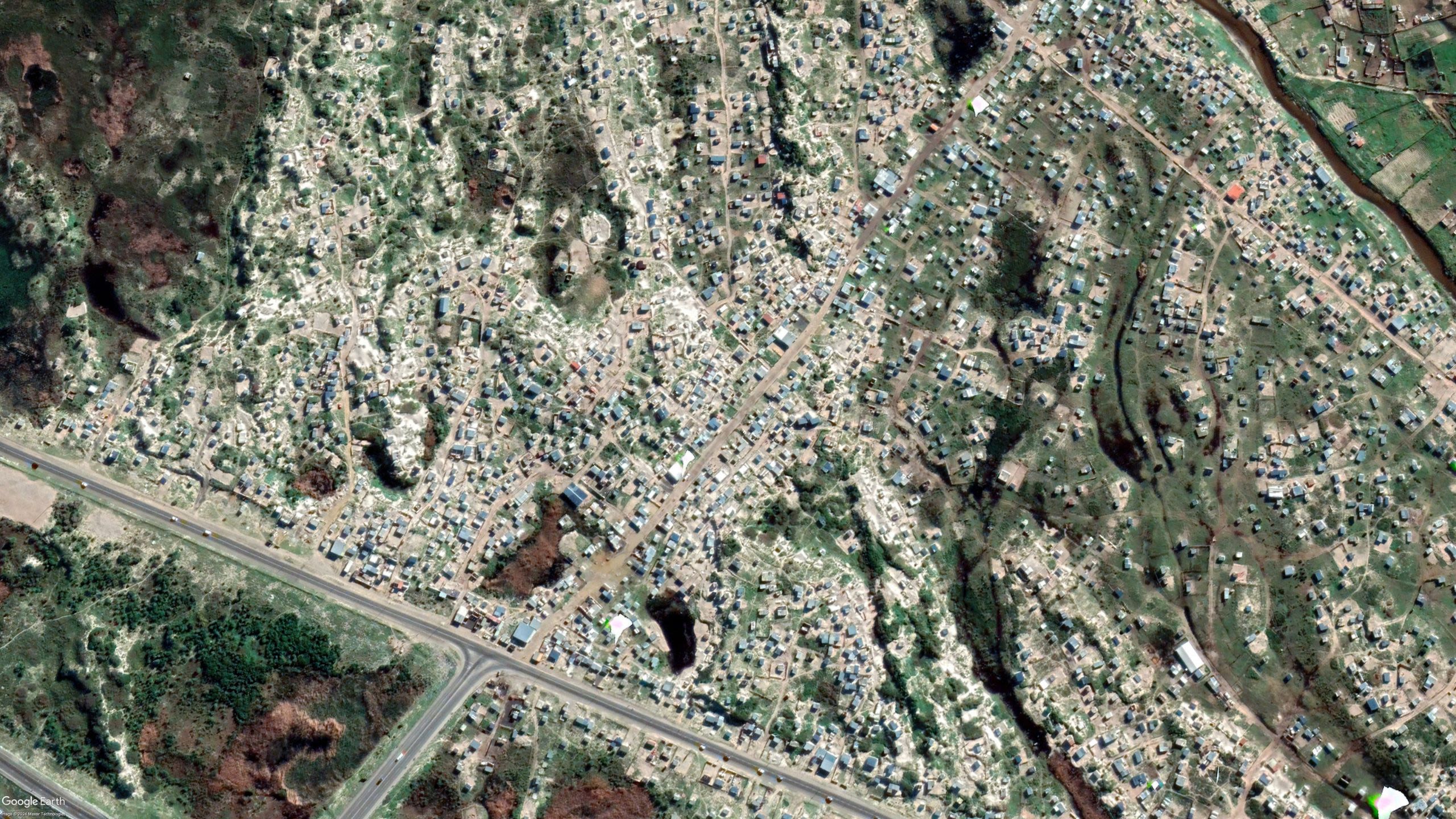

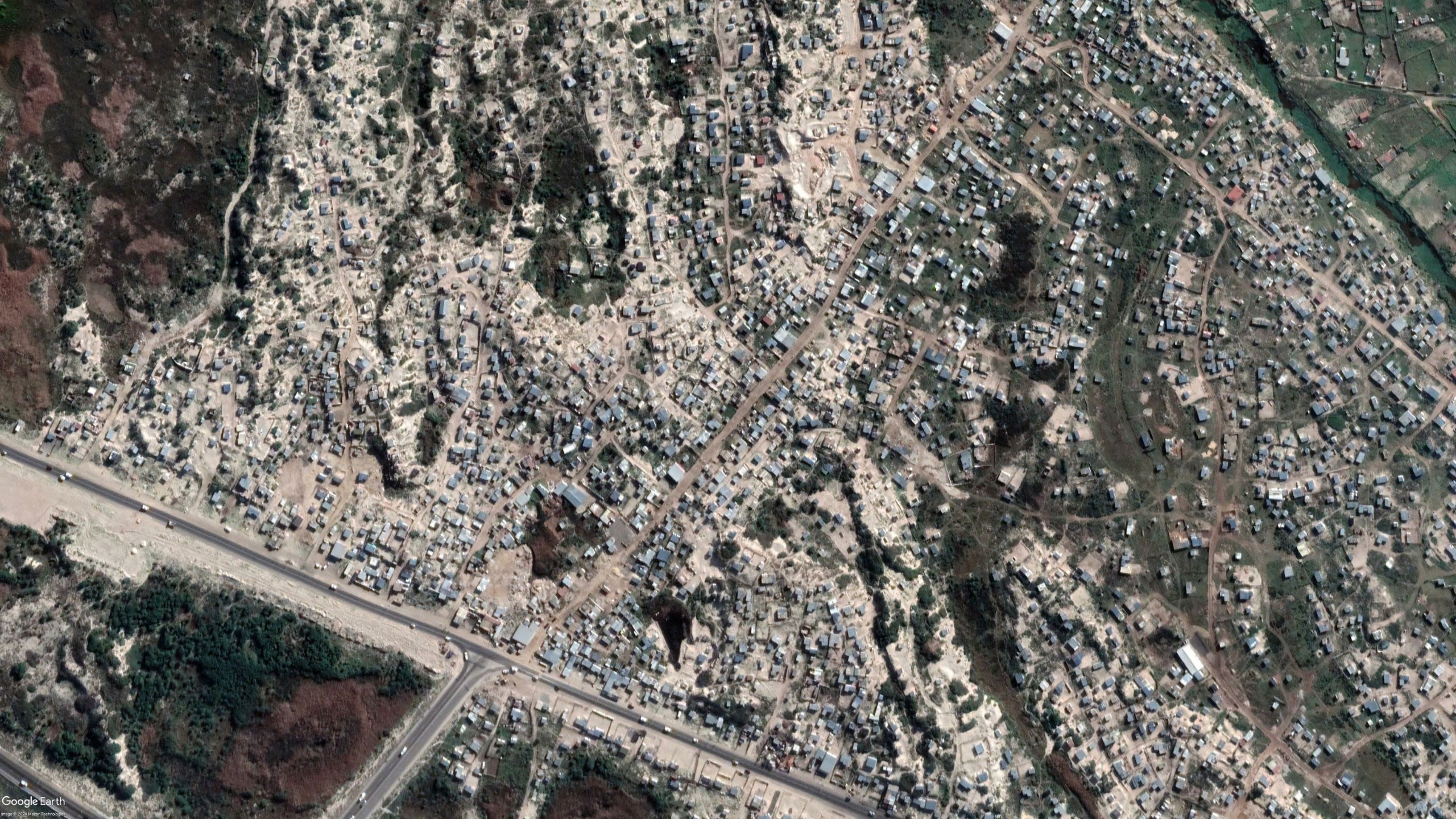

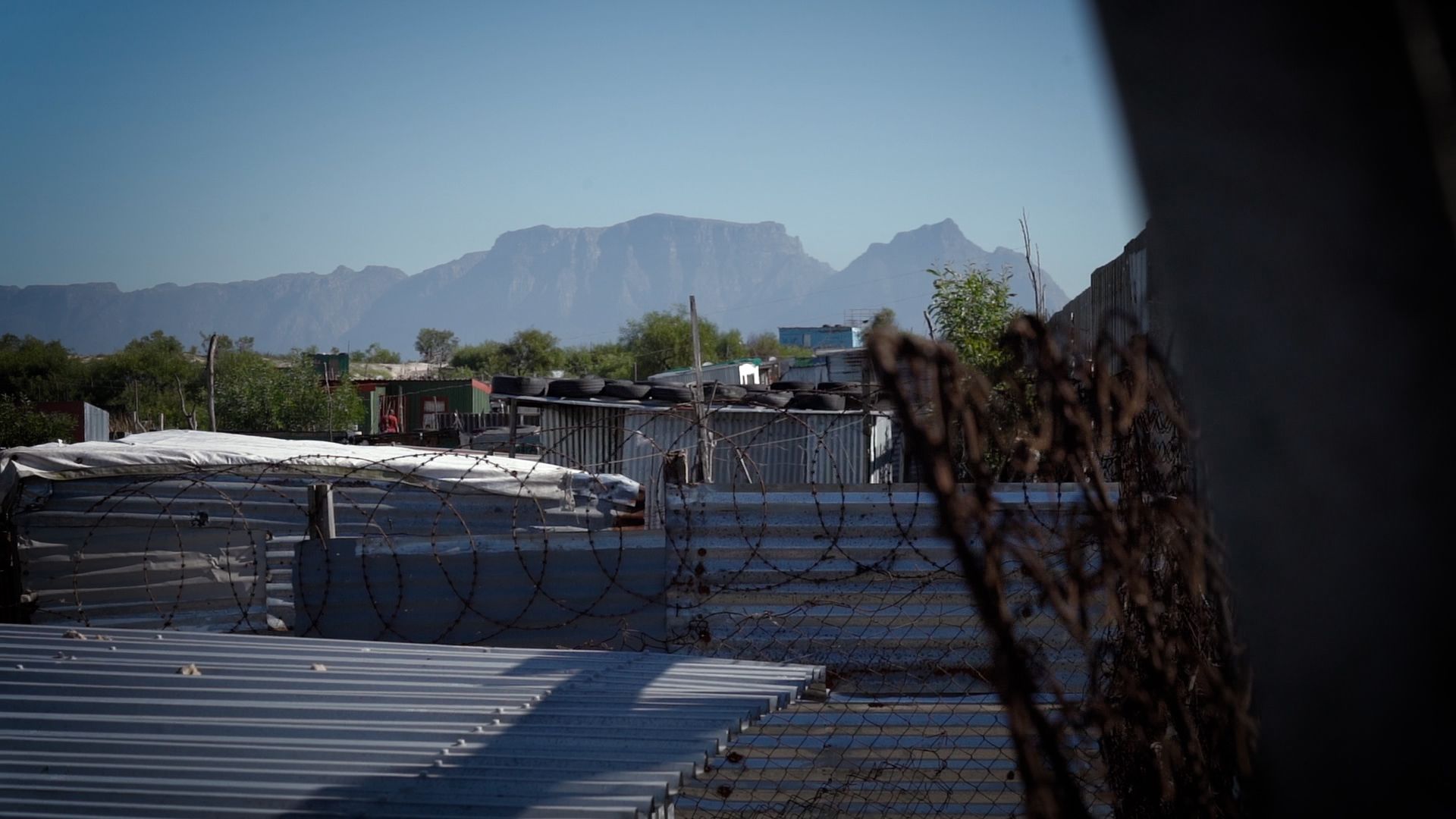
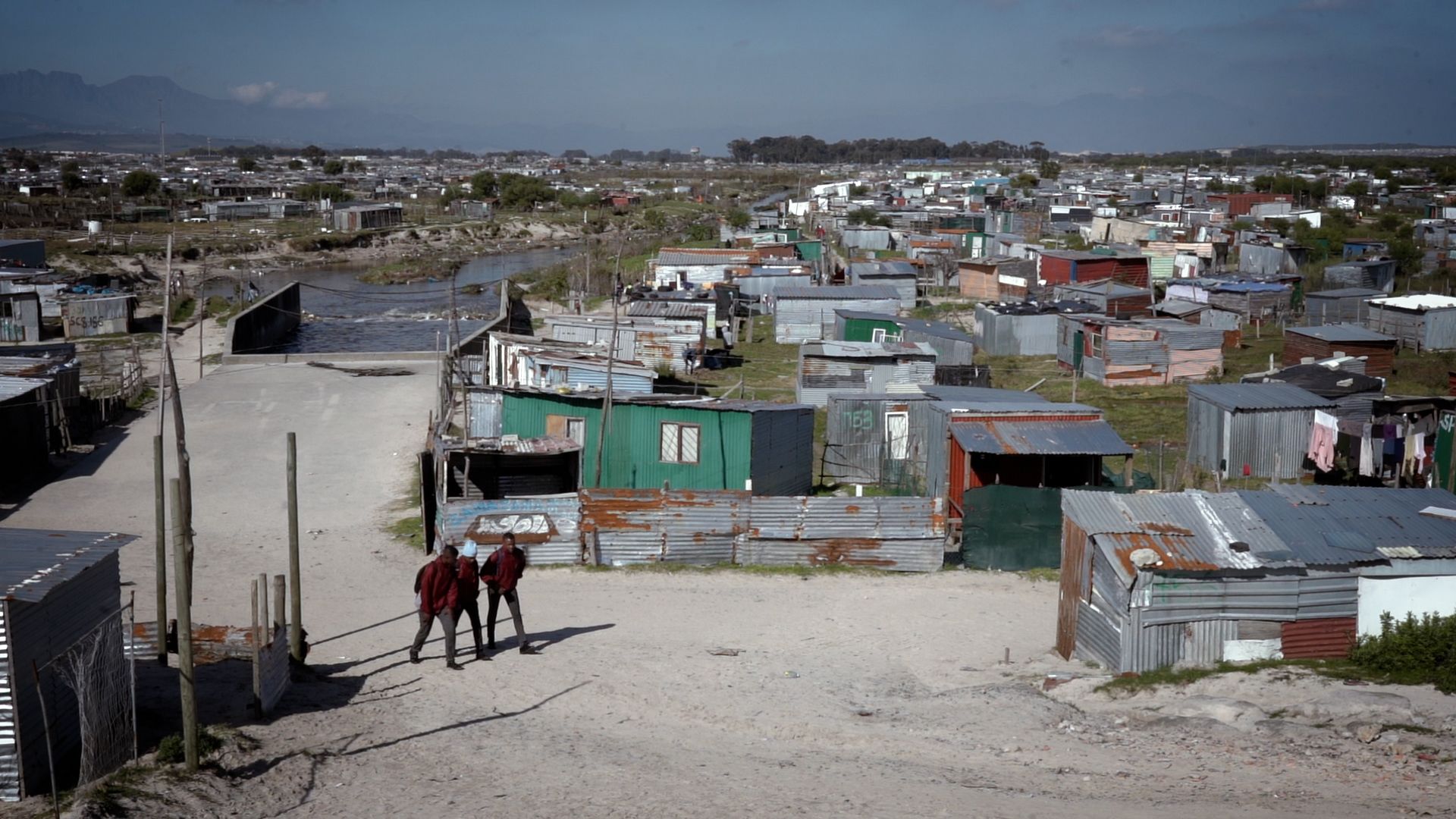
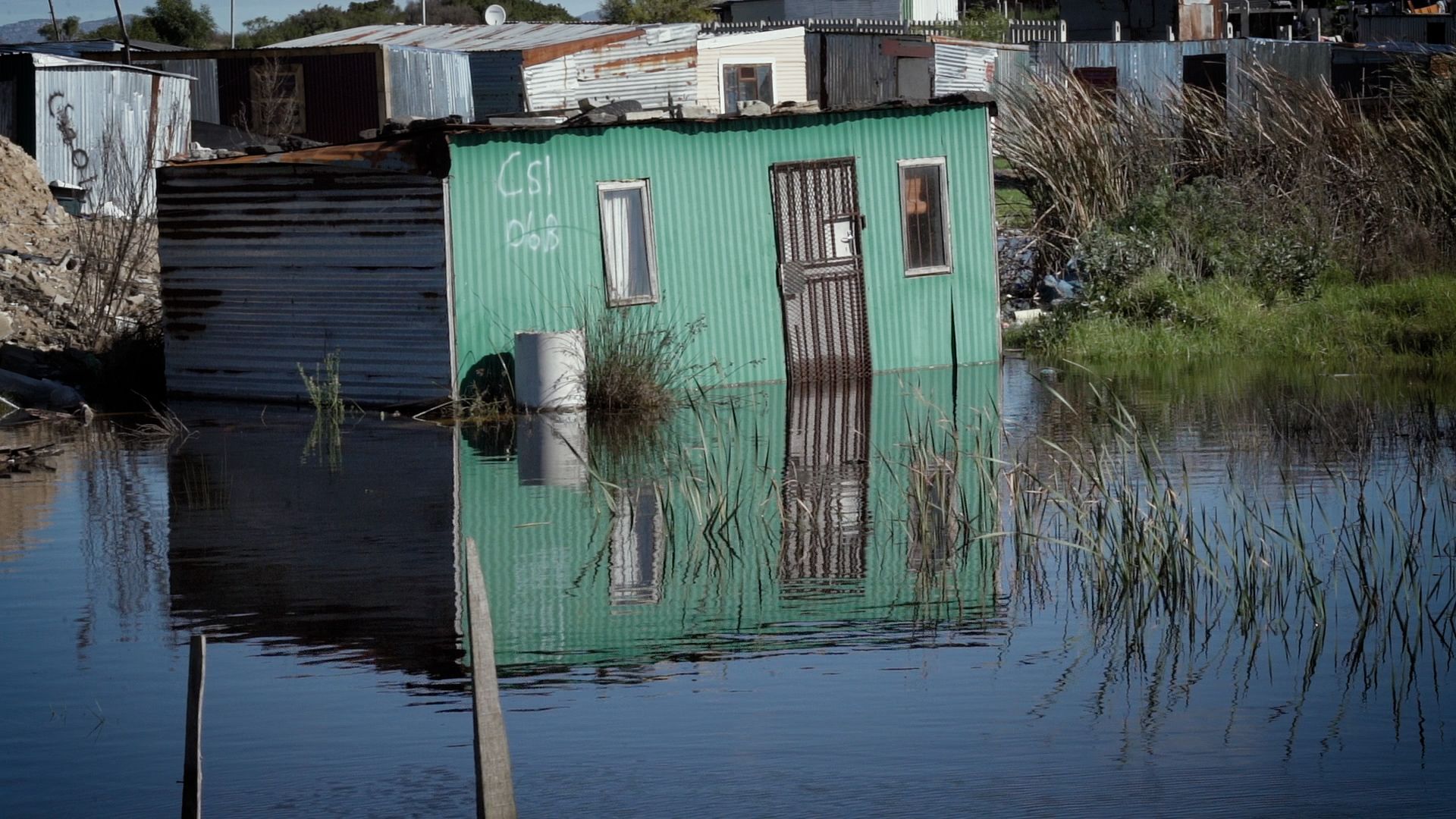
Covid-19 informal settlement, as its name suggests, was formed during the pandemic-induced lockdown of 2020 and has continued to expand. Located on a wetland, Driftsands Nature Reserve, the area was illegally invaded by residents who'd lost their jobs and accommodation in nearby Khayelitsha, Mfuleni and Delft.

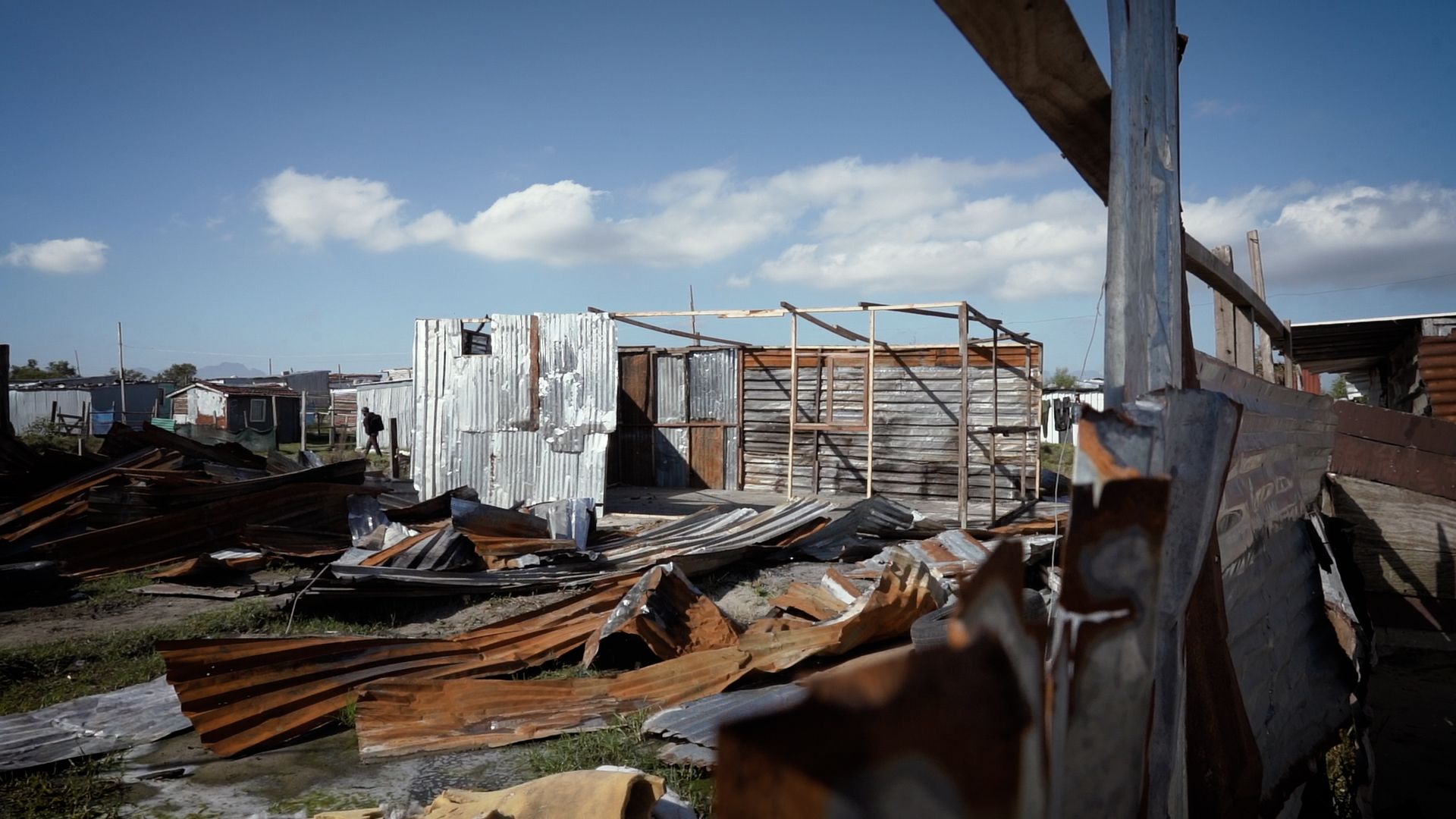
Within a matter of months, thousands of structures were built, with fierce battles fought between police and residents.

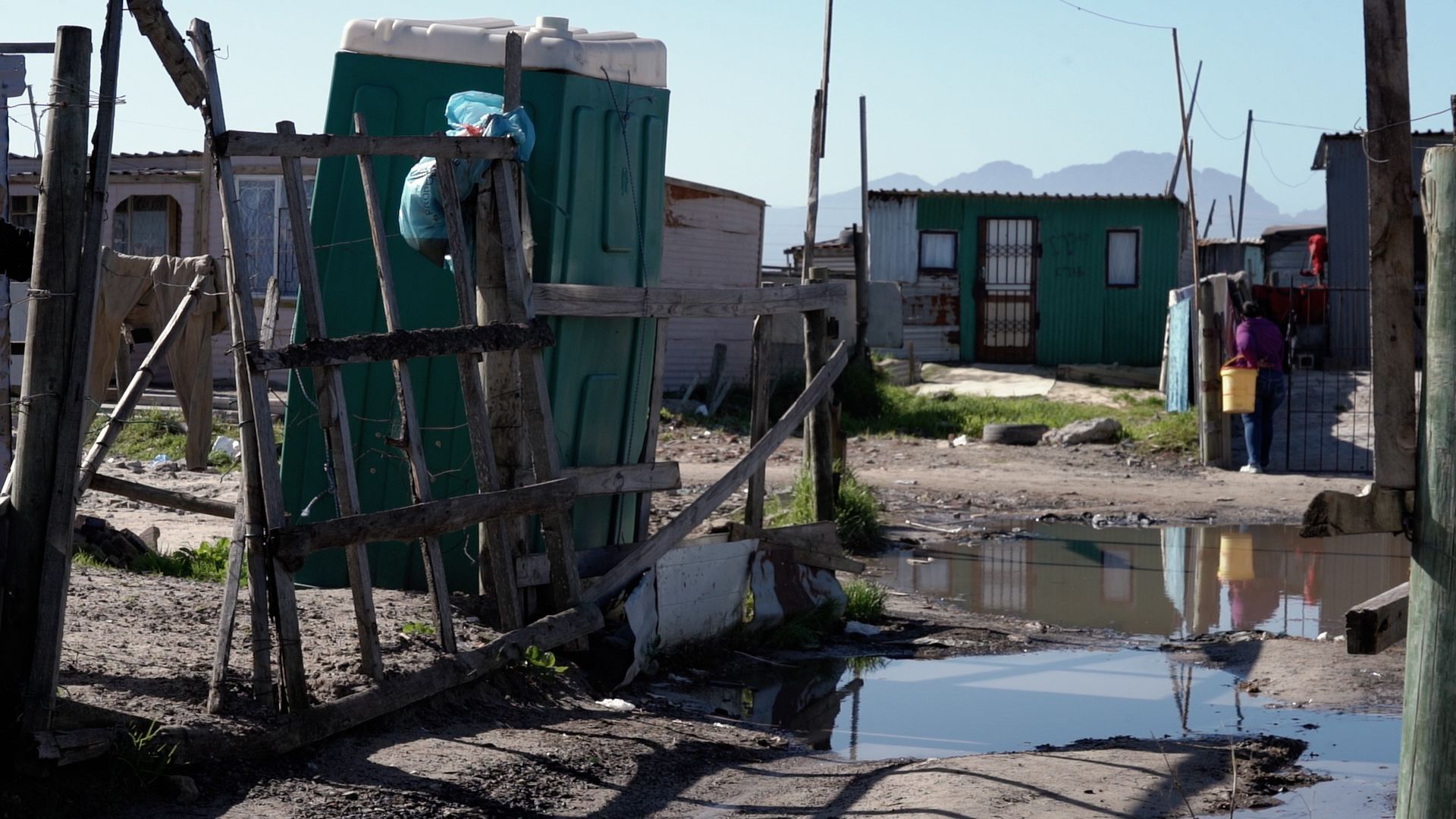
By 2023, the informal settlement had grown to include more than 27 000 households, all without access to water, sanitation and electricity. Residents have since installed their own taps and illegally connected powerlines to the nearest formal houses.
More on the Covid-19 informal settlement
Luke Daniel | News24
Luke Daniel | News24
How hundreds of people occupied land and called it the Covid-19 settlement
Evictions, mushrooming informal settlements and homelessness are at crisis levels in Cape Town amid housing challenges.
From illegal land occupations peaking during the Covid-19 pandemic to the gentrification of historic neighbourhoods, this News24 special report tells the stories of the families affected by the situation and their battle to find a place they can call home.
Read more
Zacharia Mashele | Ndifuna Ukwazi
Zacharia Mashele | Ndifuna Ukwazi
Jacques Stander | Gallo Images
Jacques Stander | Gallo Images
Storm Simpson | News24
Storm Simpson | News24
Ashraf Hendricks | GroundUp
Ashraf Hendricks | GroundUp
Ashraf Hendricks | GroundUp
Ashraf Hendricks | GroundUp
By subscribing to News24, you enable us to pursue stories that can help change the trajectory of our country.
 Built with Shorthand