


Follow Team South Africa's journey at the 2024 Olympic Games in Paris, France from
26 July to 11 August.


Paris is all set to dazzle the world as thousands of athletes converge on the French capital for the 2024 Olympic Games. Team South Africa has assembled 149 athletes who will be competing across 21 sporting codes.
Since readmission in 1992, Team SA have brought home 38 Olympic medals, with some stunning the world. There is no telling what this South African team can do in Paris, with a handful expected to reach the podium (see some of them below).
Team SA's spirited quest for glory is not to be missed.
News24 Sport will be keeping you up to speed throughout the Games, providing comprehensive coverage of every South African performance and result. Additionally, we'll offer in-depth analysis, interviews and insights into Team SA's Olympic bid.
Don't miss a thing!



Gallo & Getty Images
Gallo & Getty Images

Patrick Smith/Getty Images
Patrick Smith/Getty Images

Anton Geyser/Gallo Images
Anton Geyser/Gallo Images

Roger Sedres/Gallo Images
Roger Sedres/Gallo Images
Anton Geyser/Gallo Images
Anton Geyser/Gallo Images

Roger Sedres/Gallo Images
Roger Sedres/Gallo Images
Paul Miller/Getty Images
Paul Miller/Getty Images

Anton Geyser/Gallo Images
Anton Geyser/Gallo Images
Ashley Vlotman/Gallo Images
Ashley Vlotman/Gallo Images
Results Recap
Pinch to Zoom. Tap and use the arrows to scroll.
Team SA Medals
Pinch to Zoom. Tap and use the arrows to scroll.
When to watch



Team SA: Who to watch

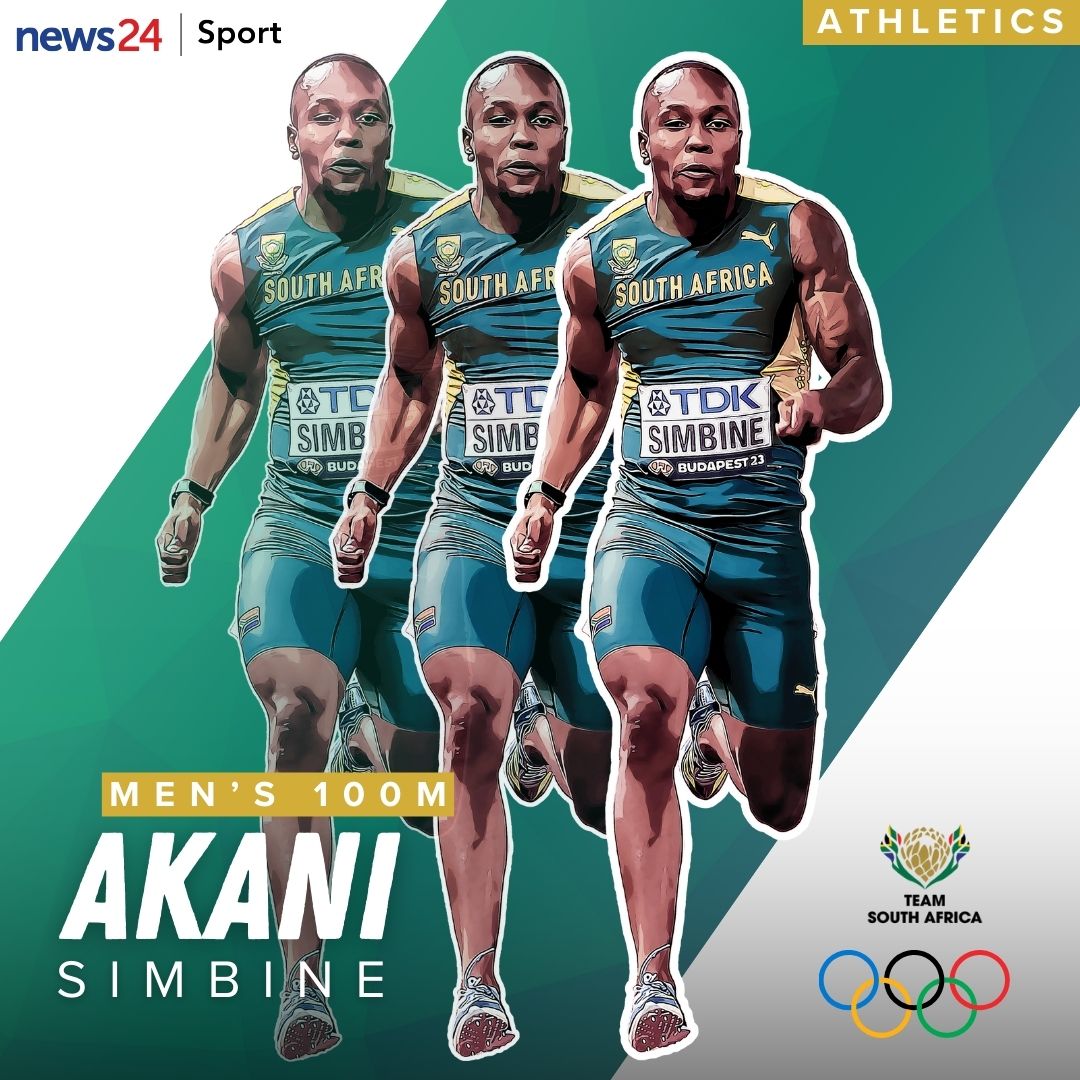
Age: 30
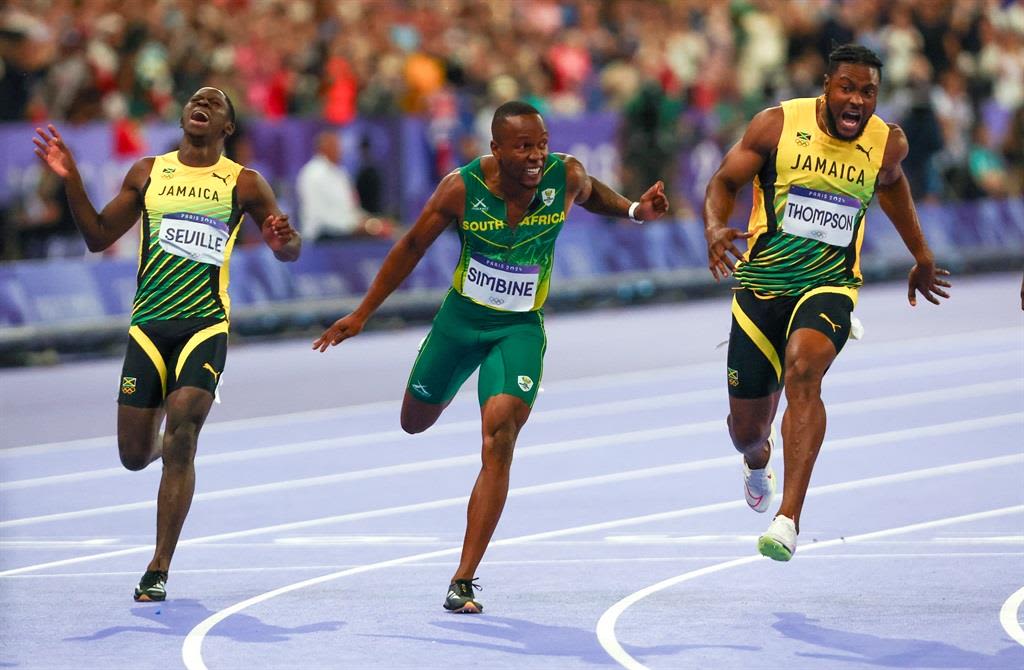
With a Personal Best time of 9.84sec, the 2016 African relay champion (4x100m) and 2018 Commonwealth Games 100m winner obviously has the speed and pedigree to have won a medal by now. But despite two Olympic (Rio and Tokyo) and five World Championship finals (three individual events and two relays), he is still searching for that elusive medal. Simbine’s fastest time this year (9.94sec) ranks him joint 14th fastest in the world. Maybe going in as an underdog is what he needs this time around.
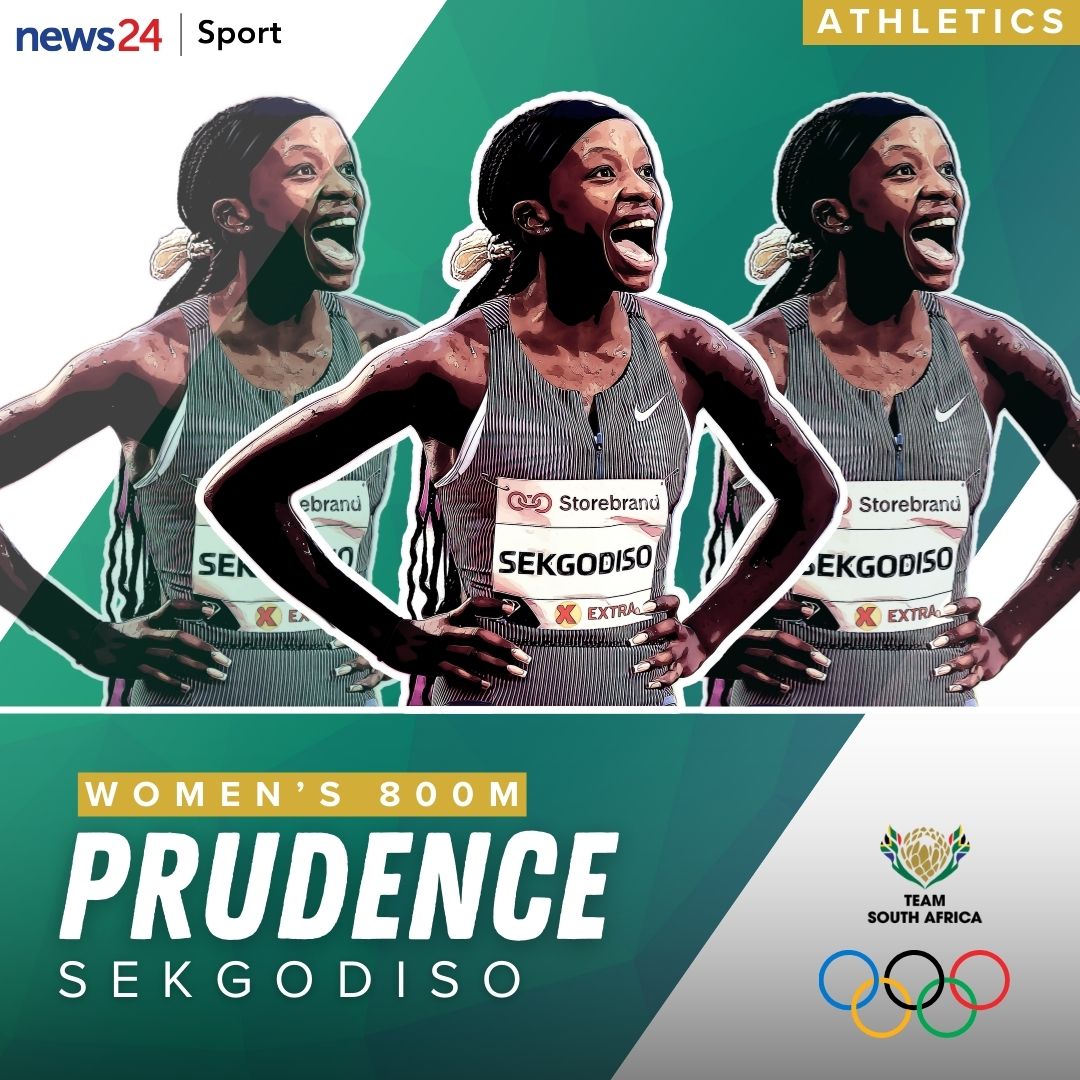
Age: 22
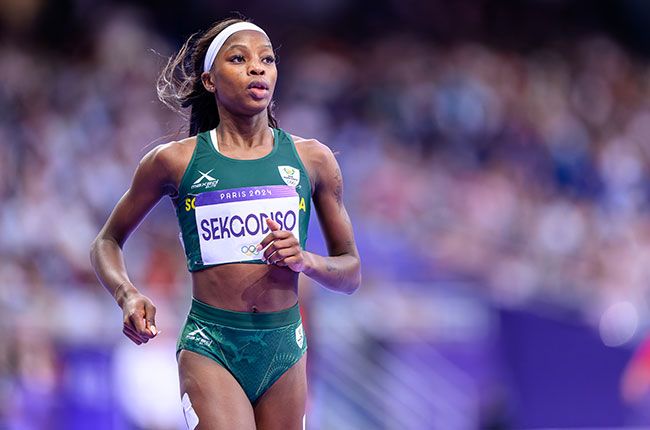
Of any of Team SA’s track and field athletes, Sekgodiso has the biggest shoes to fill, following in Caster Semenya’s footsteps. But few competitors are as tough and fearless as she is. Going into the Olympics, Sekgodiso’s fastest time of 1:57.26 - her second Personal Best this year – is the third fastest in the world. If she runs anything near it, it should result in a medal.
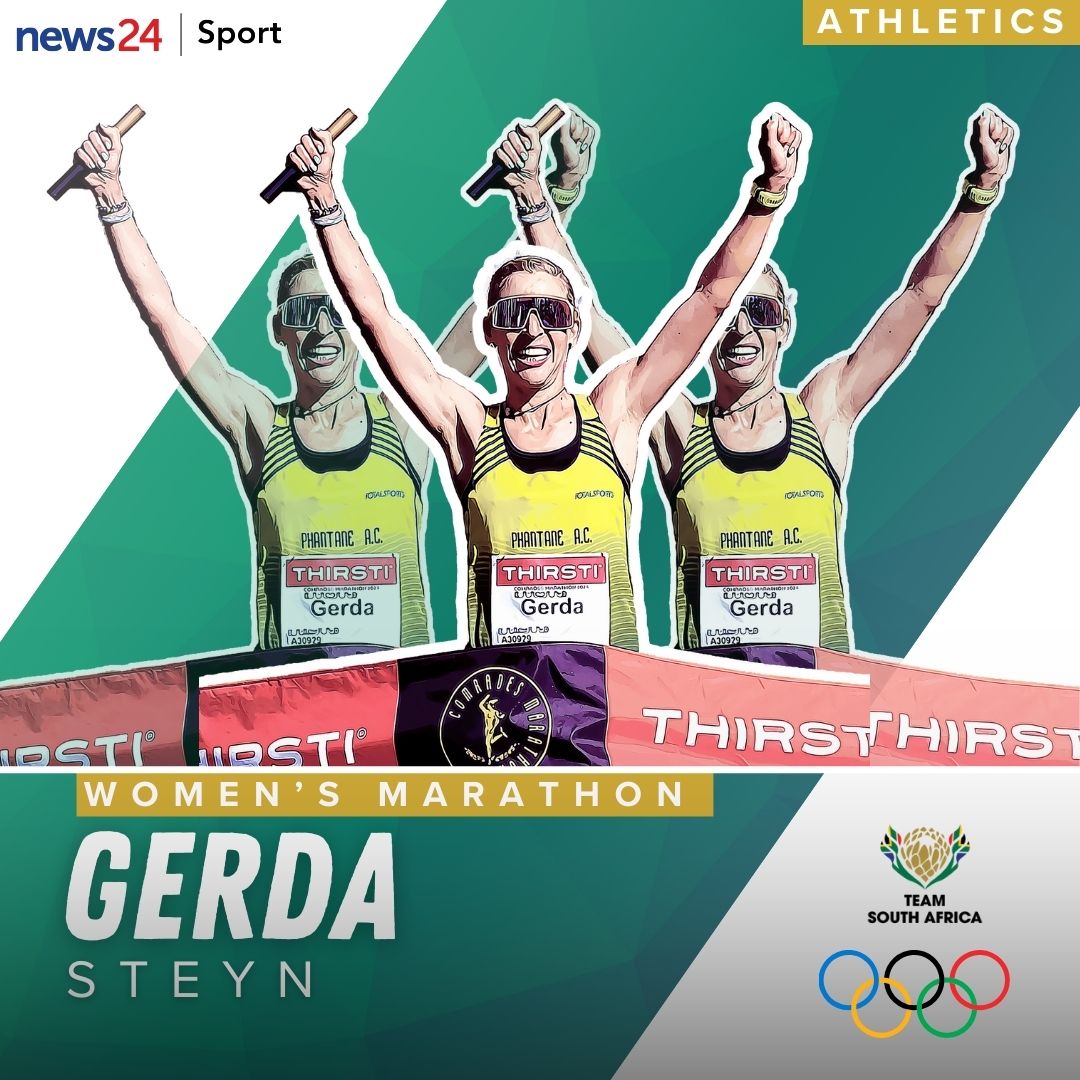
Age: 34
Despite being a five-time Two Oceans Marathon and three-time Comrades Marathon winner, Steyn will go into the Olympic marathon field as one of the slower runners with her personal best and national record of 2:24.03 (the fastest time in the world is around 2:15). But should it be a tough and attritional race as it was in the heat of Japan, where she finished 15th, Steyn’s grit and ultra endurance could come into it.
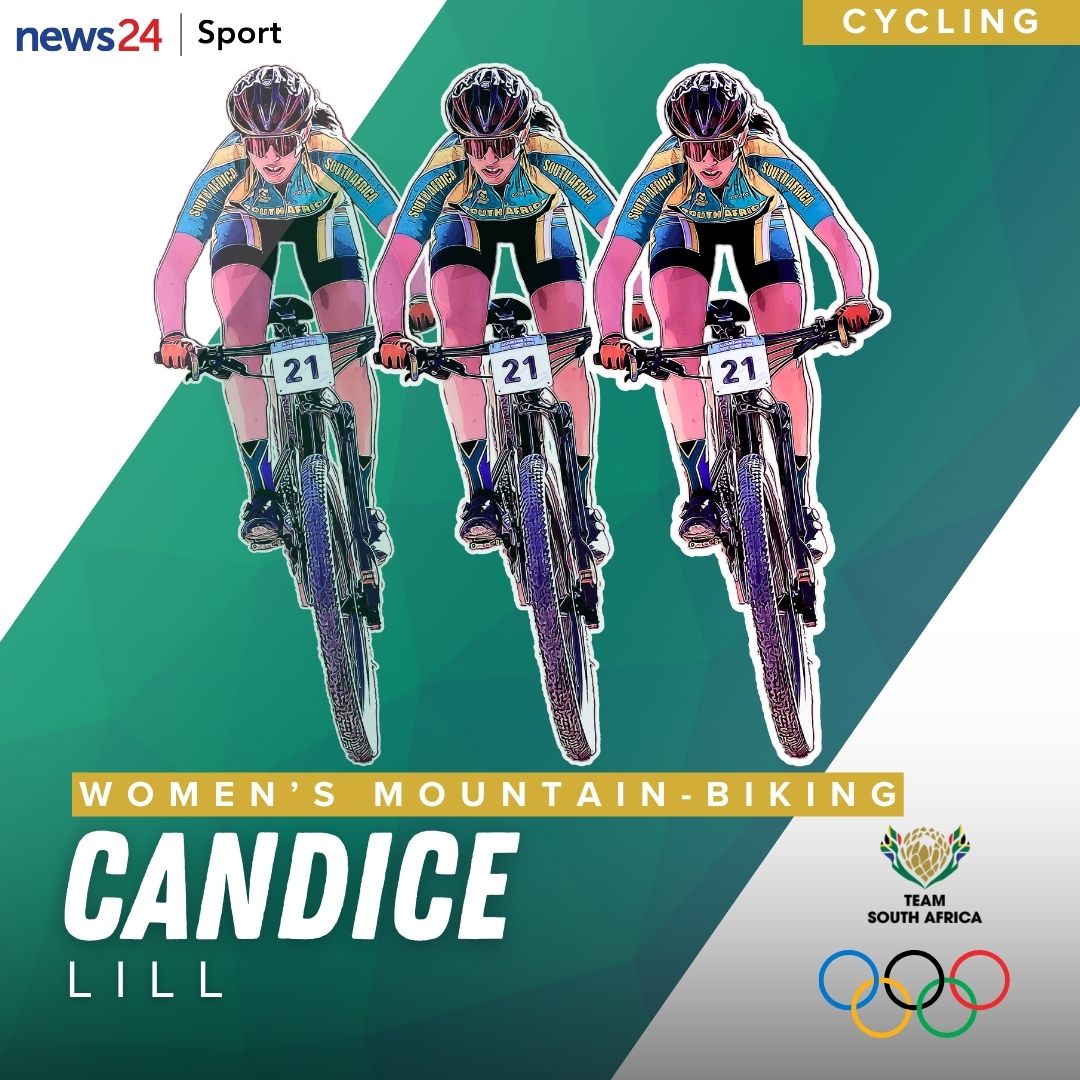
Age: 32
In her Olympic debut in London, Lill finished last of the 28-women field, which she followed up with a 24th place in Tokyo. But with Commonwealth bronze from Birmingham in 2022, silver at the UCI Marathon World Championships in Scotland last year, and bronze at the World Cup in Italy this year, Lill has built up to being in the best possible position to be South Africa’s first female cycling medallist in Paris.
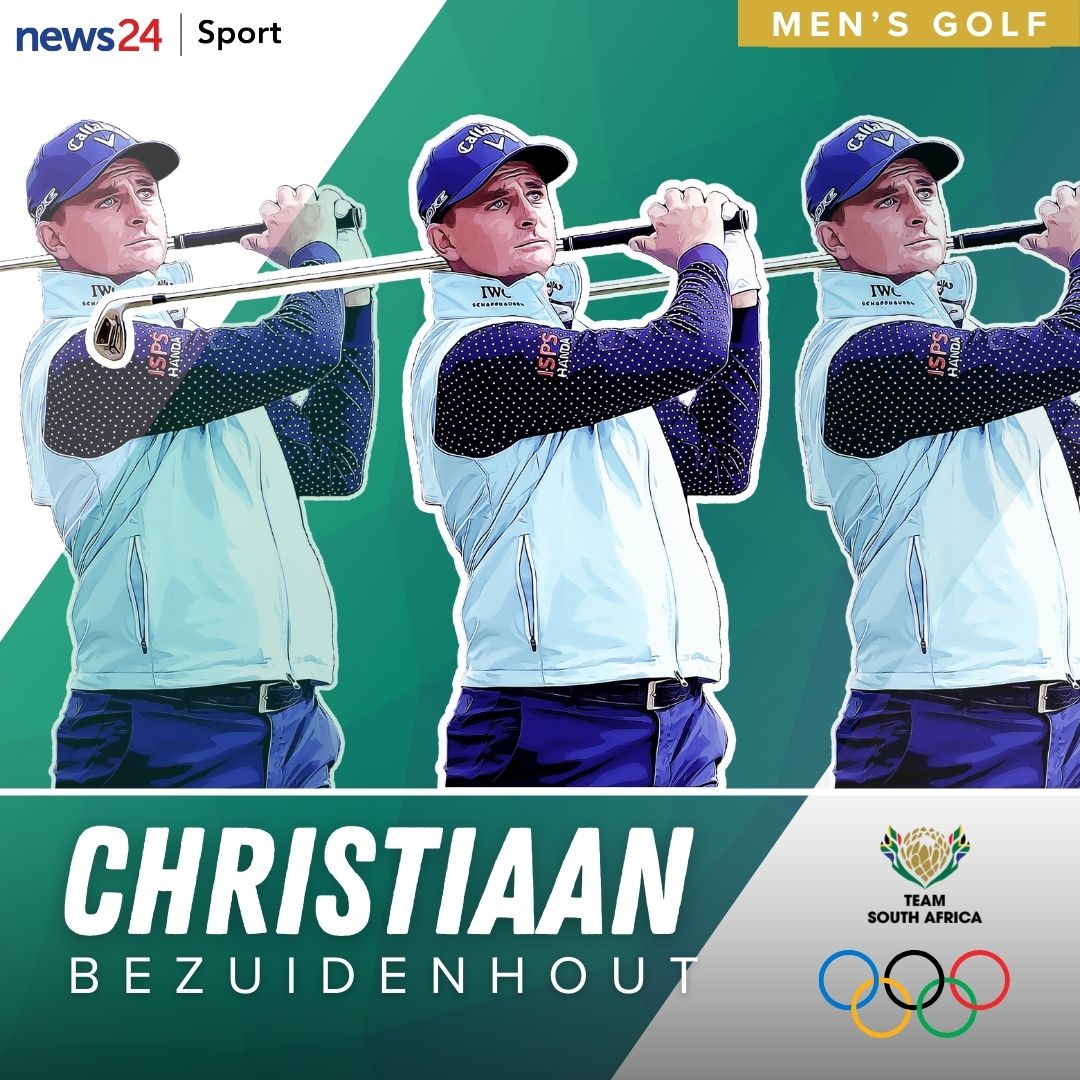
Age: 30
With 60 golfers competing at Le Golf National, there’s no other way to put it but to say it’s a lottery who will win it. If that’s the case, why not the 40th-ranked Bezuidenhout?
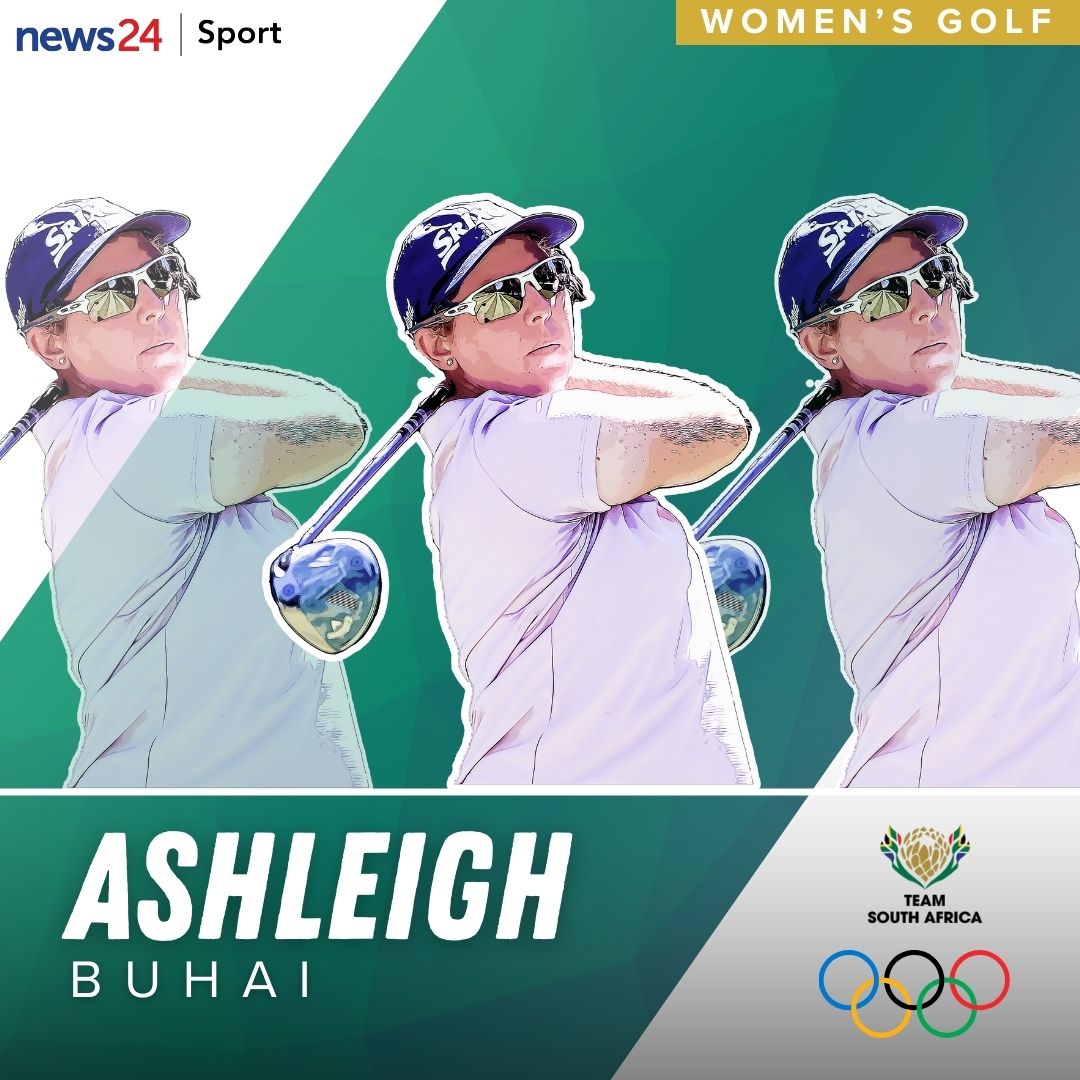
Age: 35
With the field loaded with all the top-ranked players in the world, the 41st ranked Buhai will have her work cut out for her eking out a score fit for a medal. But as the 2022 Open winner she certainly has the experience and know how to get the job done.
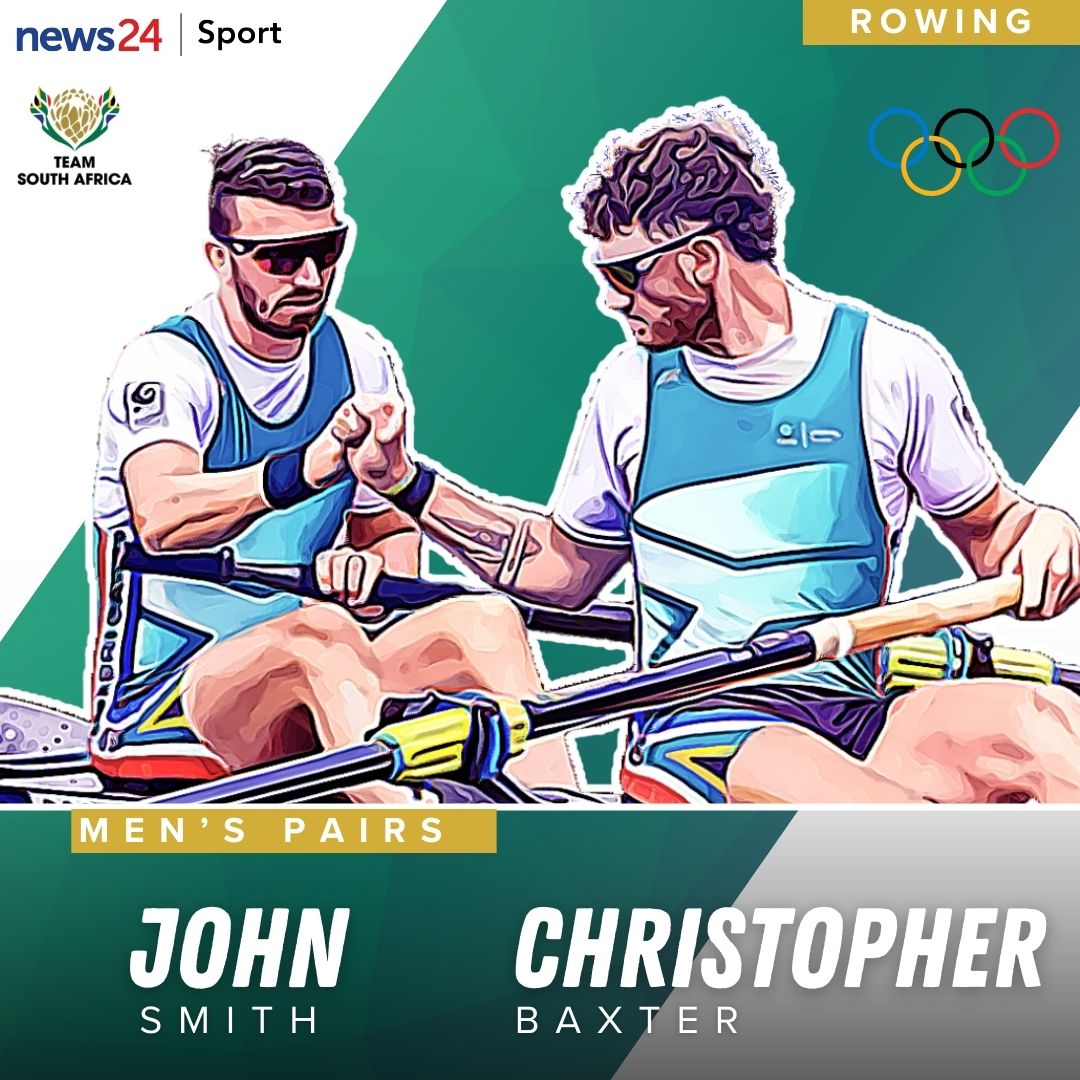
Age: 34 and 24
Having won gold with the “Oarsome Foursome” (the lightweight coxless fours) in London 12 years ago, Smith knows what it’s like to medal at an Olympics. After fourth in the lightweight doubles in Rio, and 10th with the coxless four in Tokyo, the veteran had thought of retiring, before returning for one last shot with Baxter. And given that they missed bronze by 0.11sec at the World Cup in Lucerne, they are dark horses for a medal.

Team: Blitzboks
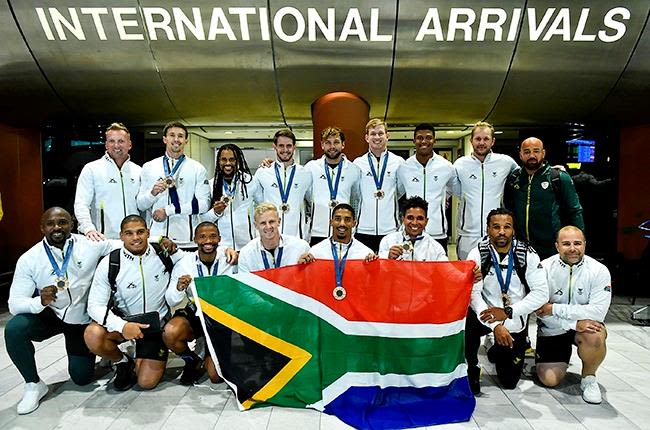
As the very last team to qualify of the 12 teams at the Olympics, not much will be expected of the inaugural rugby sevens competition’s bronze medallists (in Rio). Despite only finishing seventh and losing their coach in the process, the Blitzboks have since become tougher to beat, which culminated in their winning the tense repechage qualifier final against Great Britain in Monaco. If ever a team screamed dark horse, it is this one.
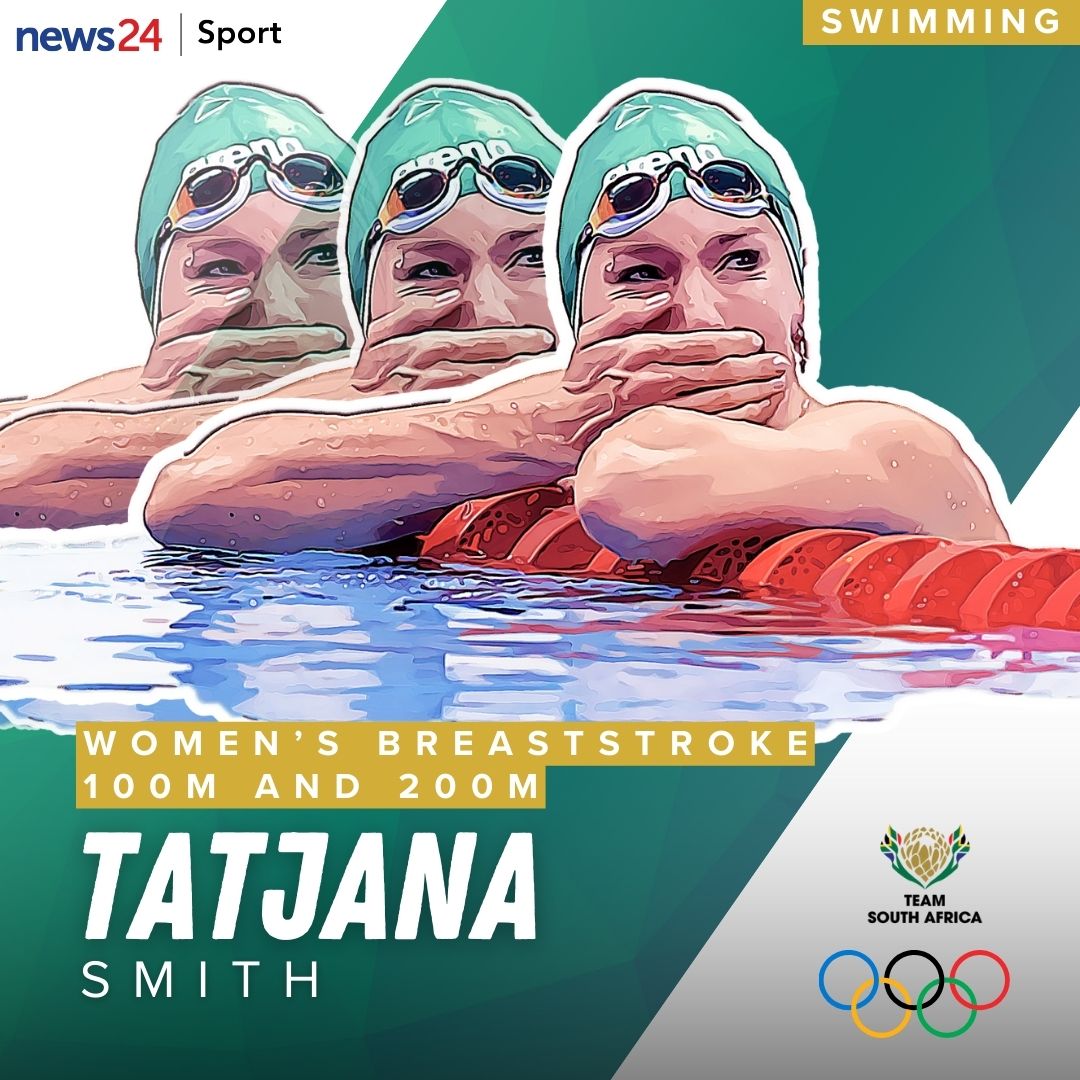
Age: 27
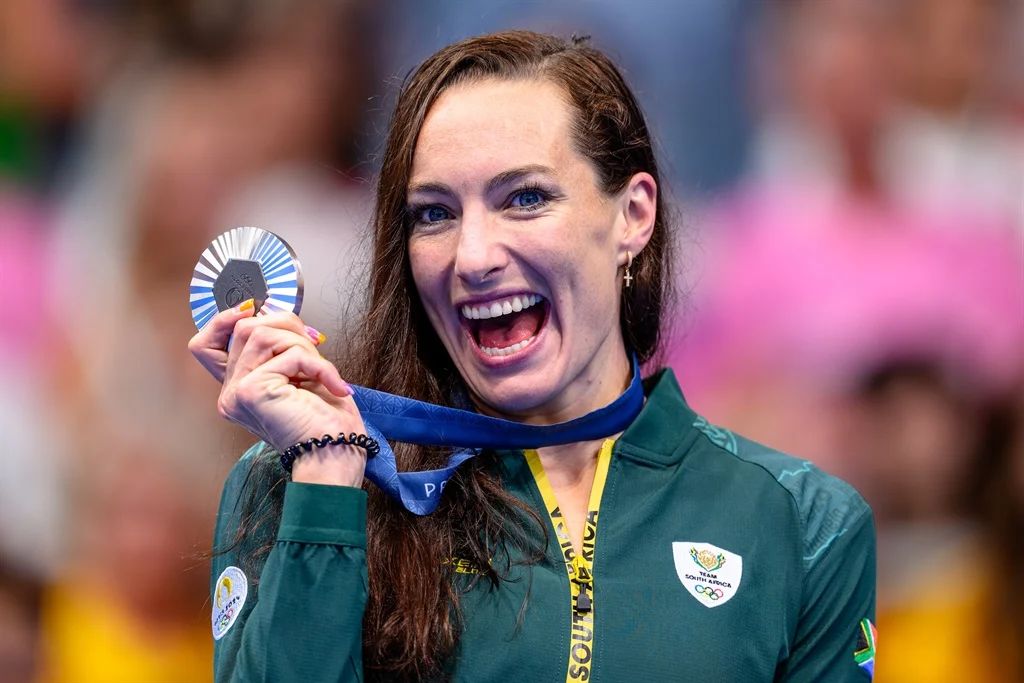
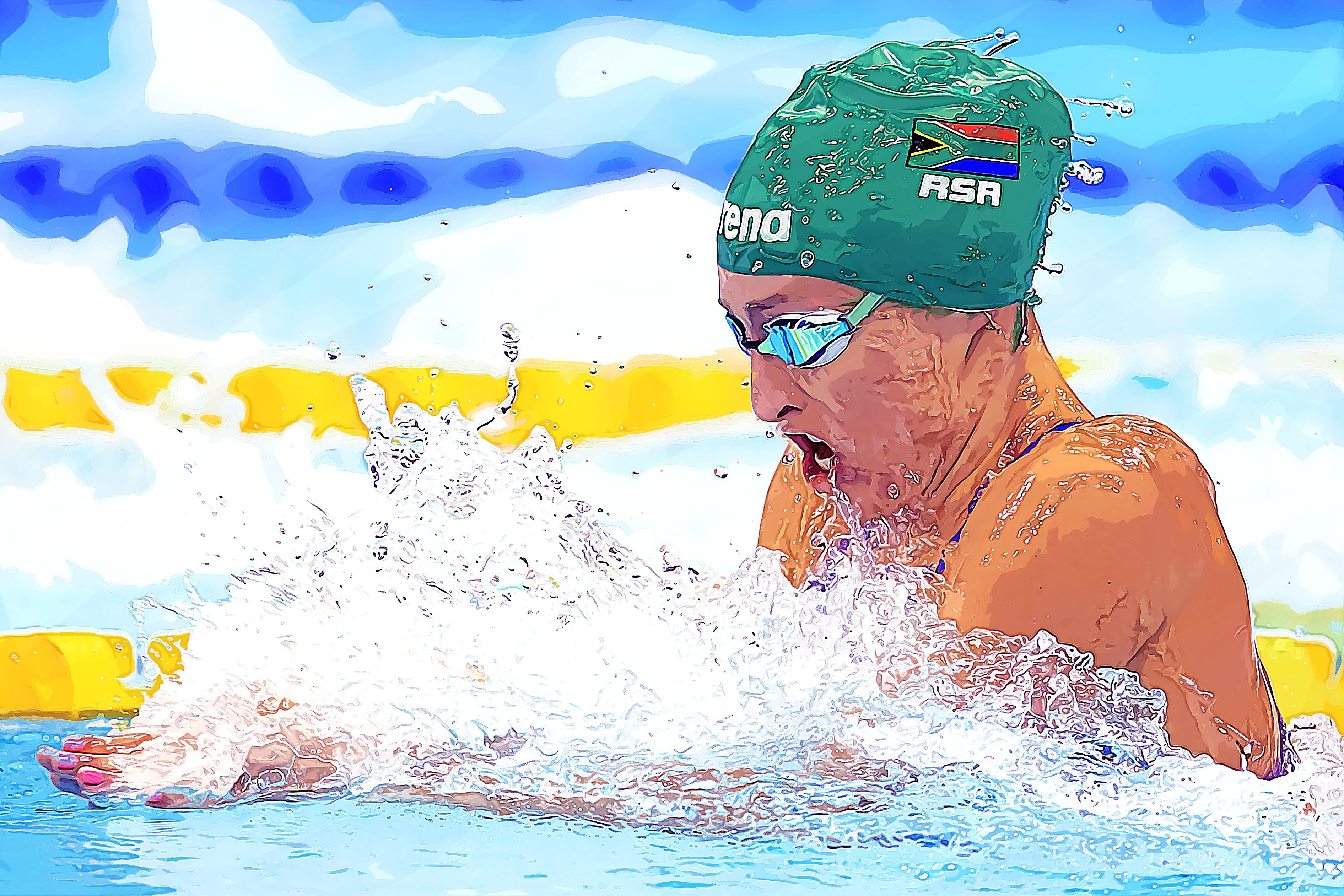
In what is becoming a time-honoured South African tradition (after Penny Heyns and Cameron van der Burgh), the breaststroke is once again an event where swimming is expecting its medal, this time from Tatjana Smith. When she was still named Schoenmaker, Smith won silver in the 100m and gold in a world record time in the 200m in Tokyo. The fact that she’s got the fastest time in the world in the 200m this year (2:19.01) makes her as decent a shout as anyone for a successful title defence.
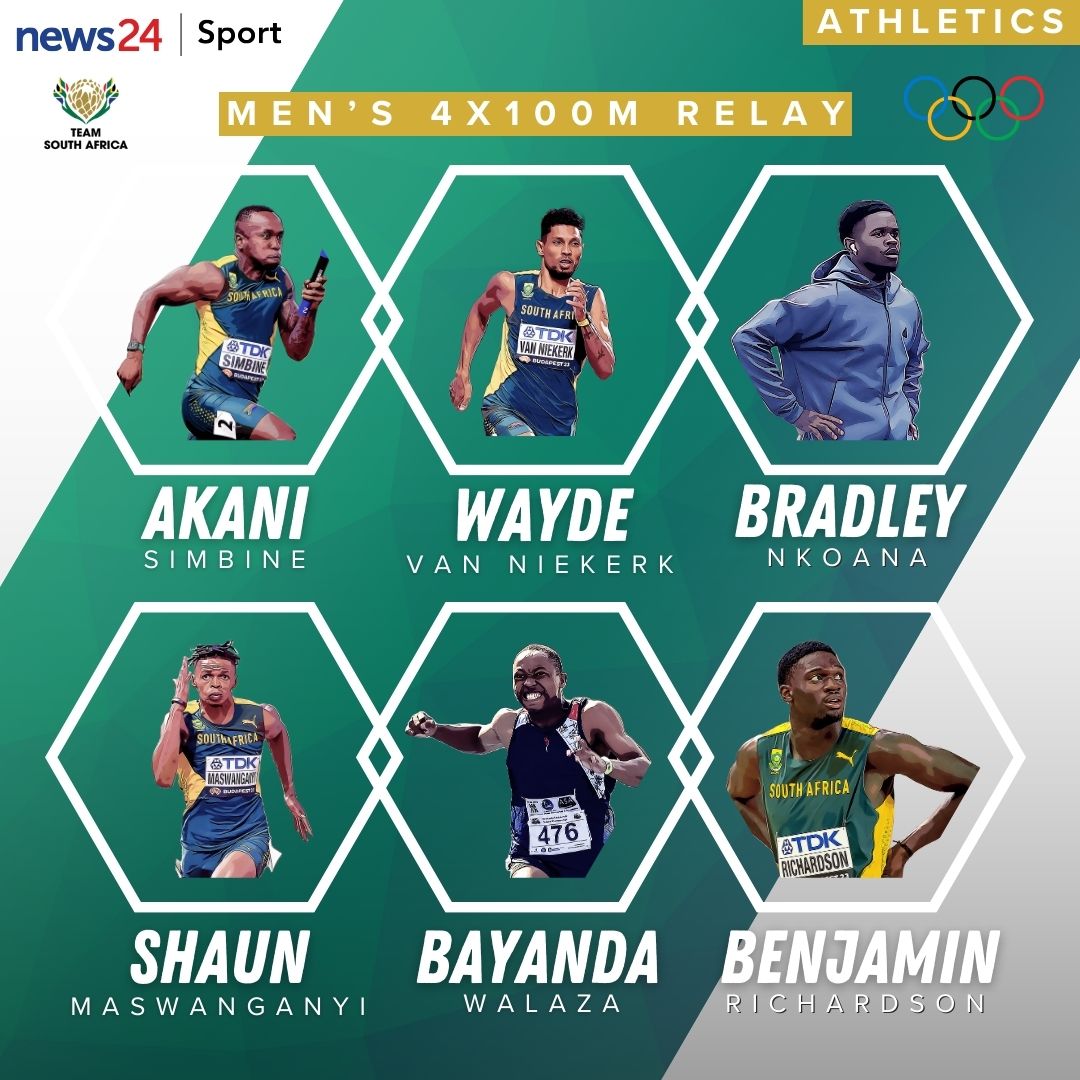
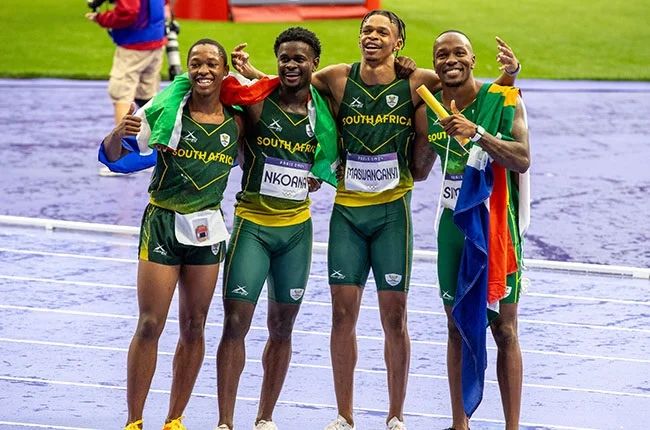
Thanks to former teammate Thando Dlodlo’s doping ban, which got them stripped of their 2021 world relay champs gold, or dropping the baton twice in recent years, the 4x100m relay team has been unlucky of late. But since getting a backdoor entry to Paris at the world relays by qualifying in the Bahamas this year, they suddenly stand a chance of getting a medal as their time of 38.08sec would have earned them a fifth place in the Tokyo final.
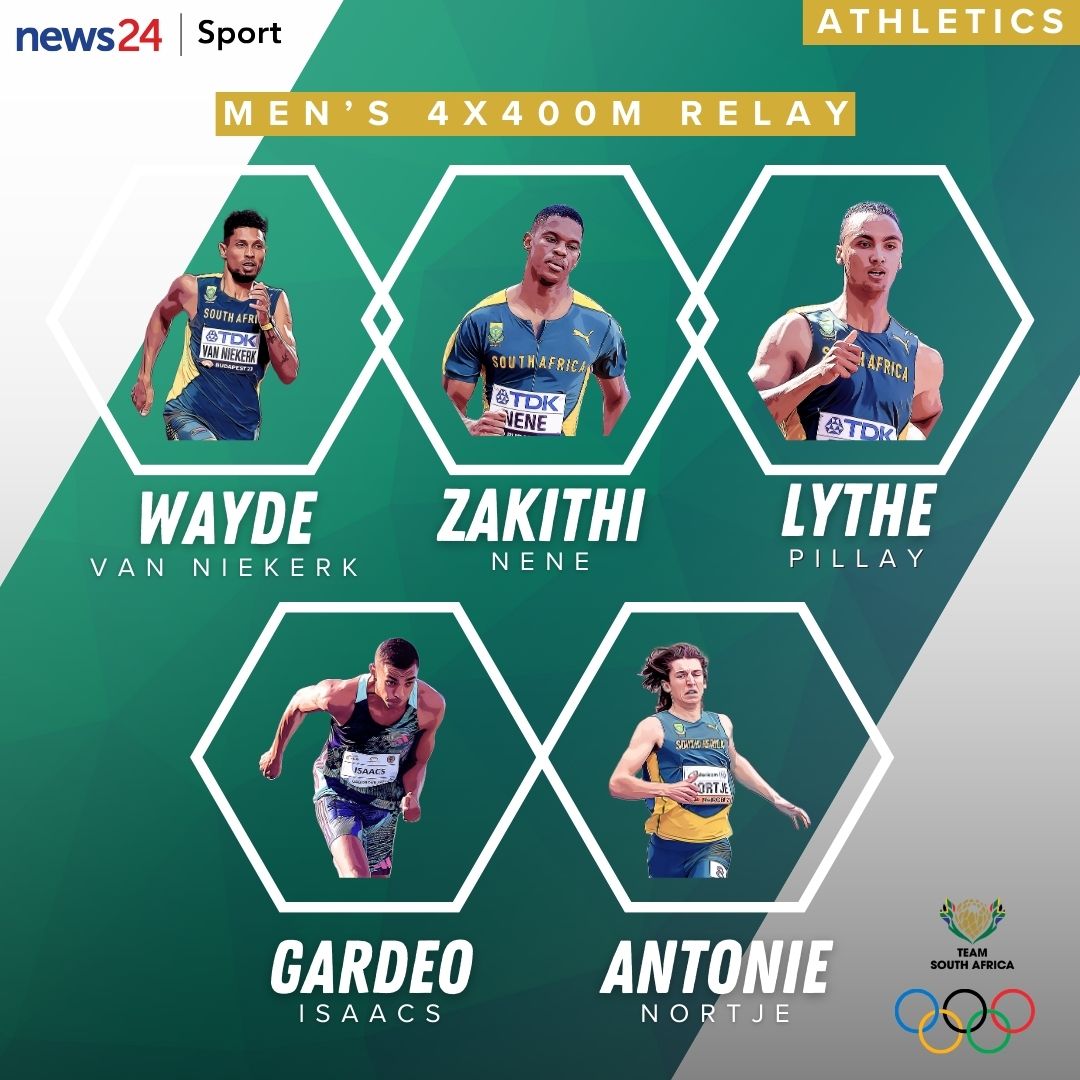
With Wayde van Niekerk having pulled out of the individual 400m race despite his only race in the event this year being a 44.74sec affair, Team SA’s 4x400m relay chances have been strengthened as he should be fresh to also help with qualifying for the final. And with youngsters Pillay (44.31sec) and Nene (44.80sec) having also run sub-45 second 400m this year, this relay team should be dark horses for a medal.
Pinch to Zoom. Tap and use the arrows to scroll.
SA at the Olympics:

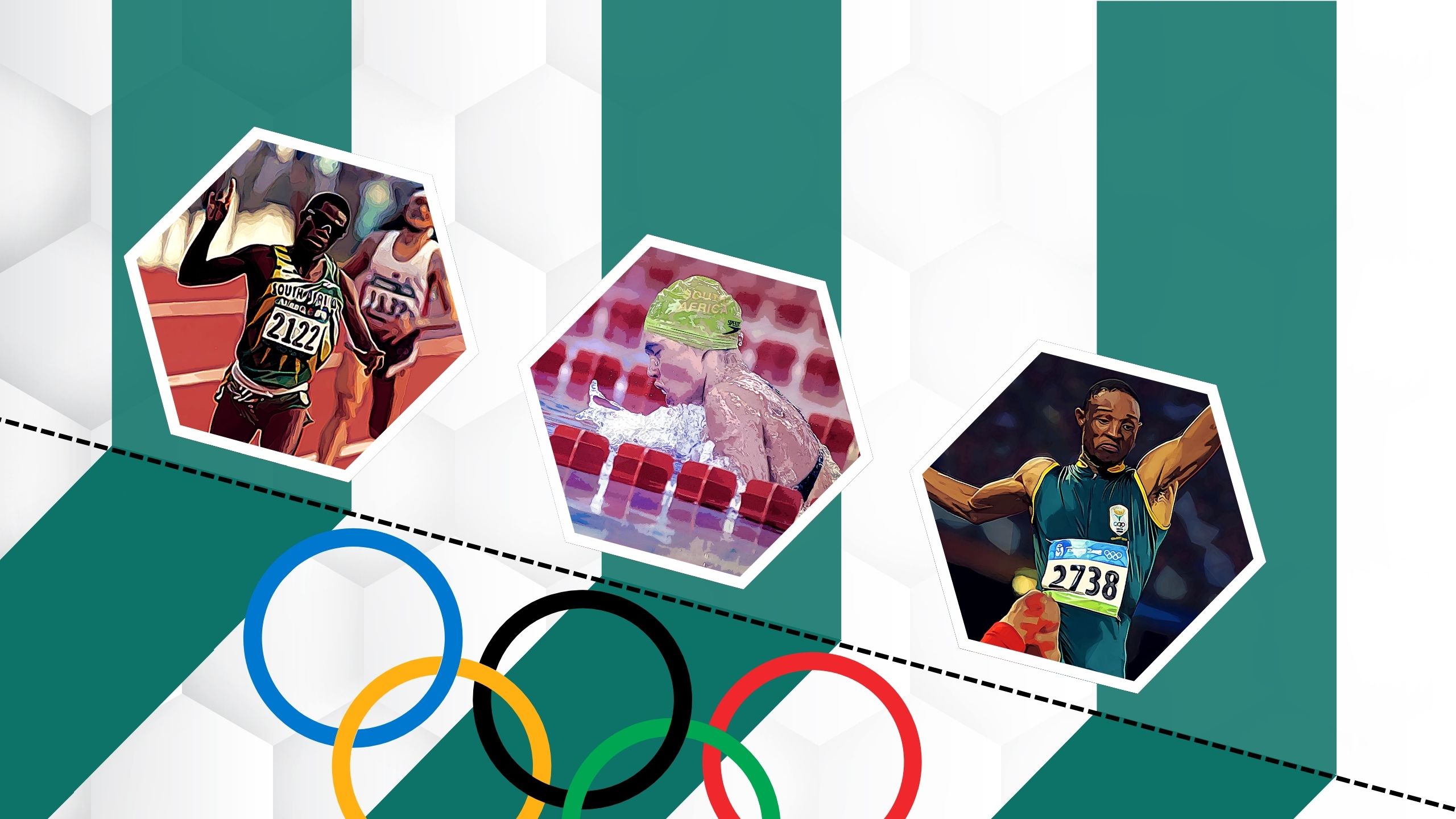
Olympic Medals
Seminal Moments











1992
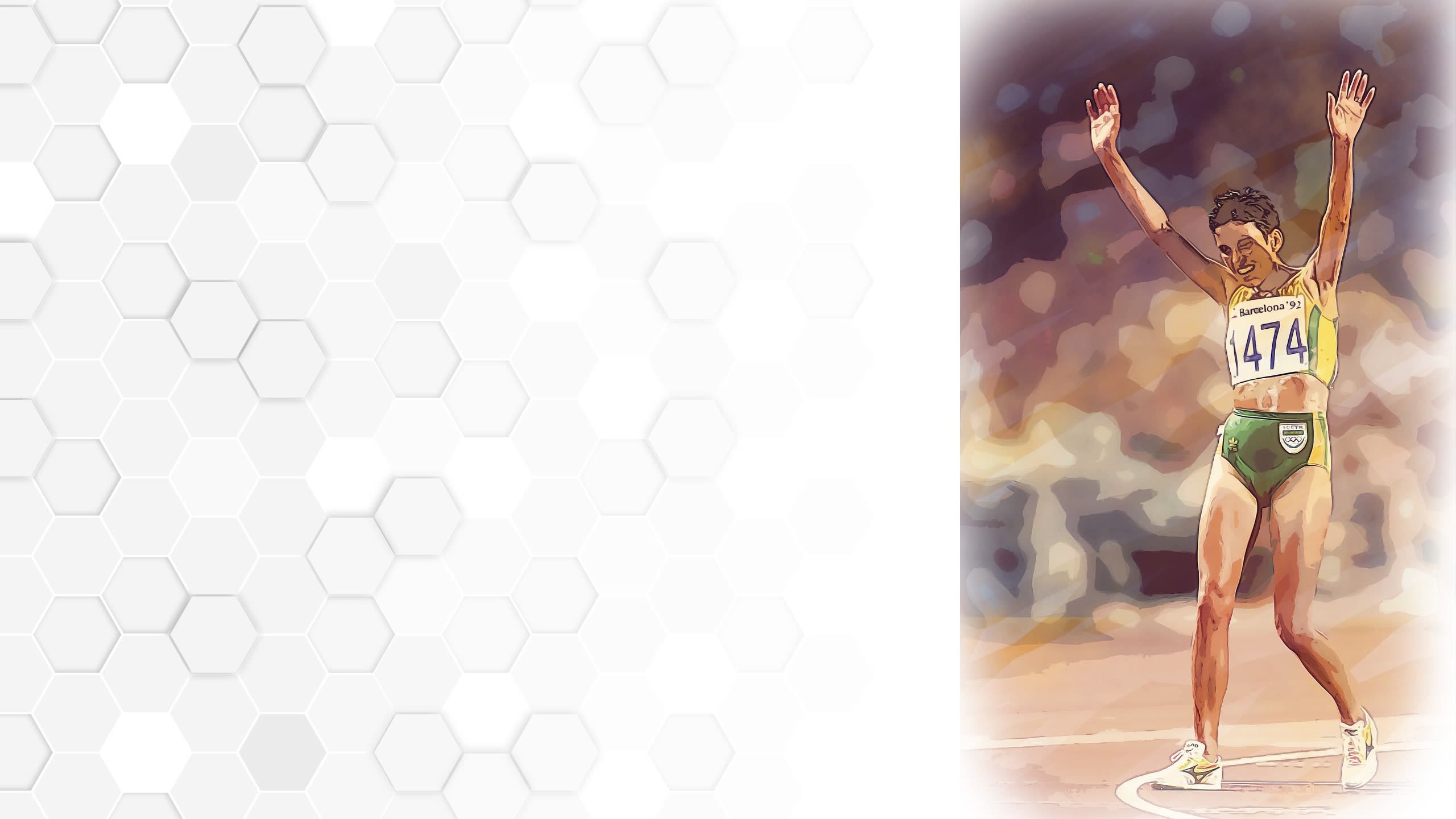
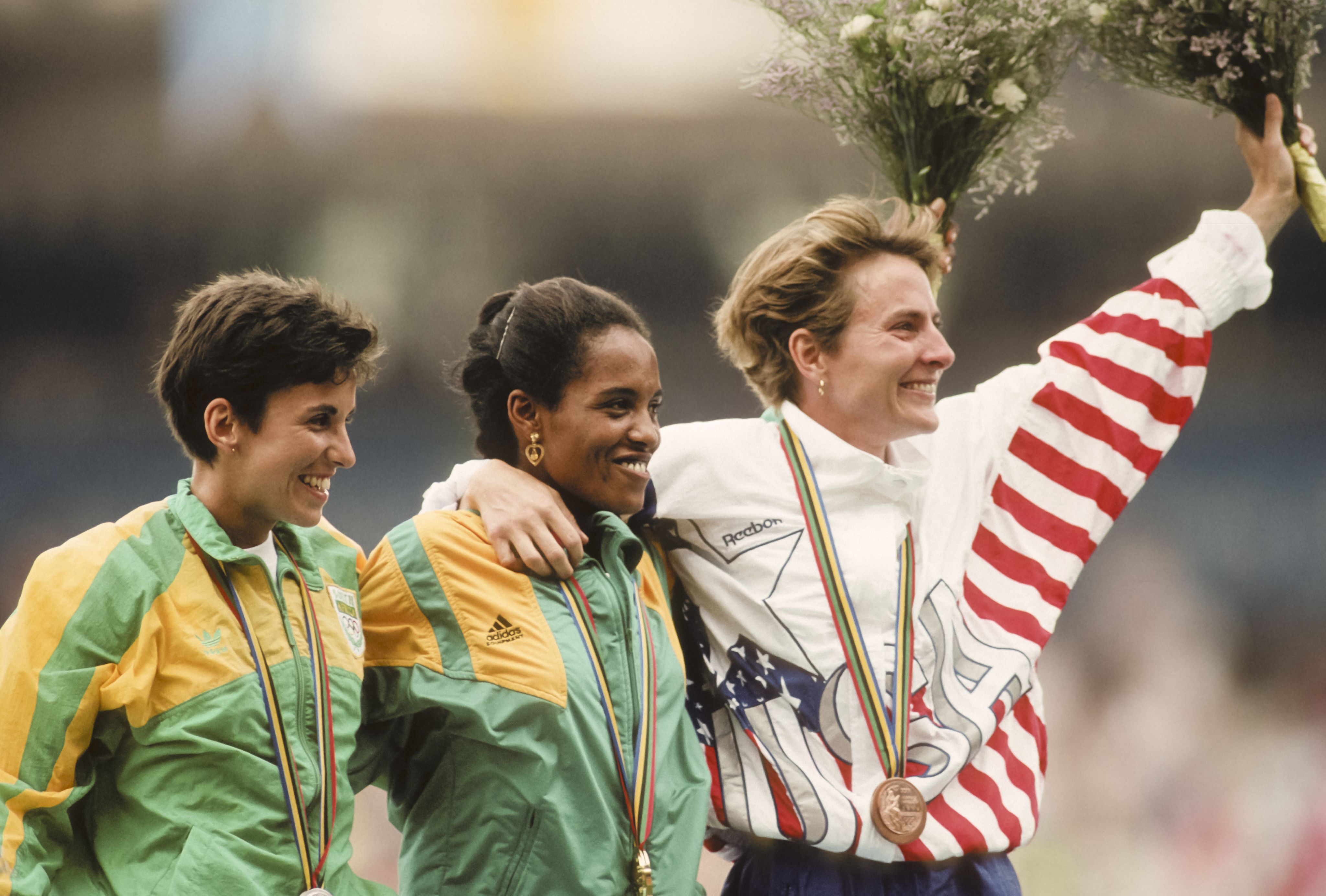
Elana Meyer (Silver, 10 000m)

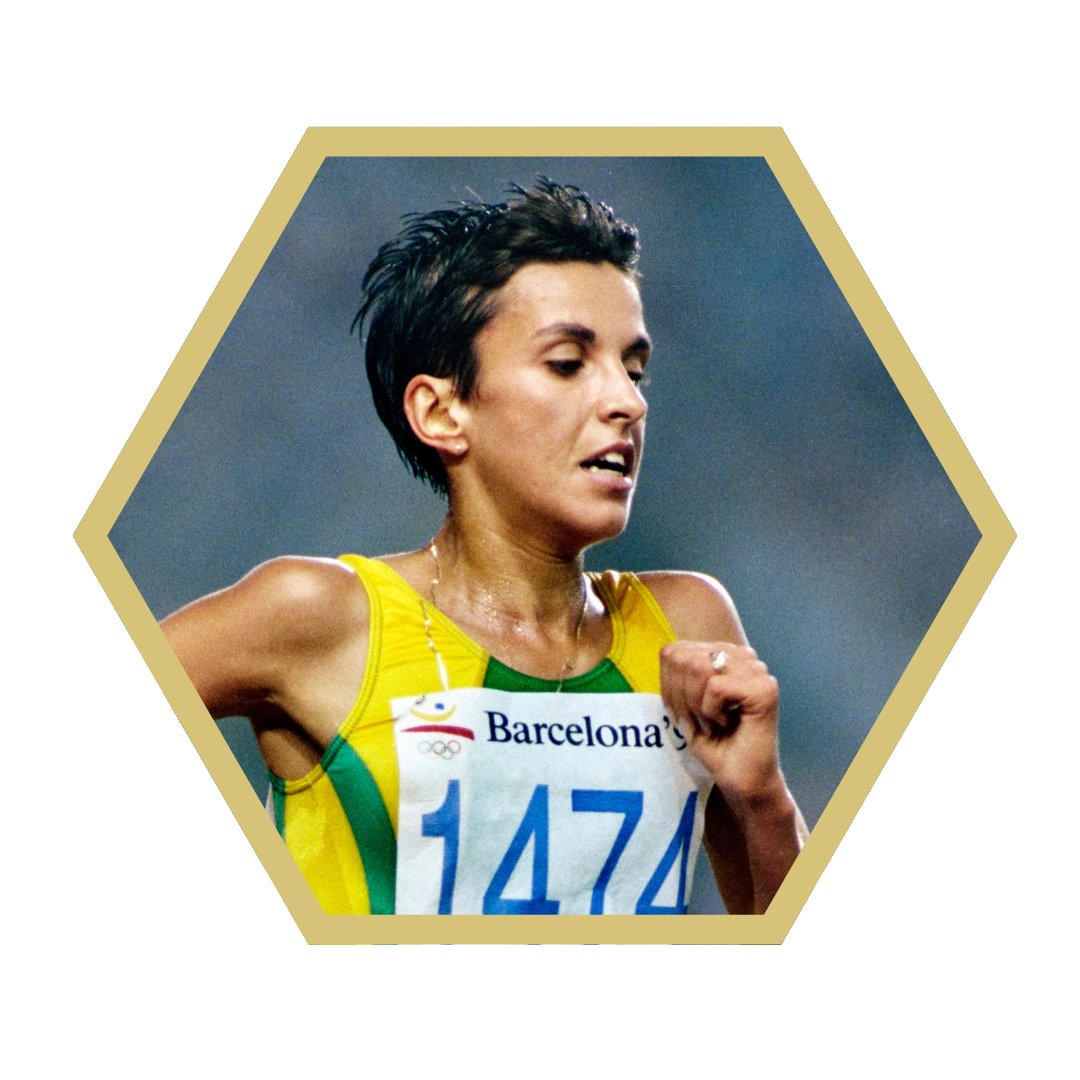

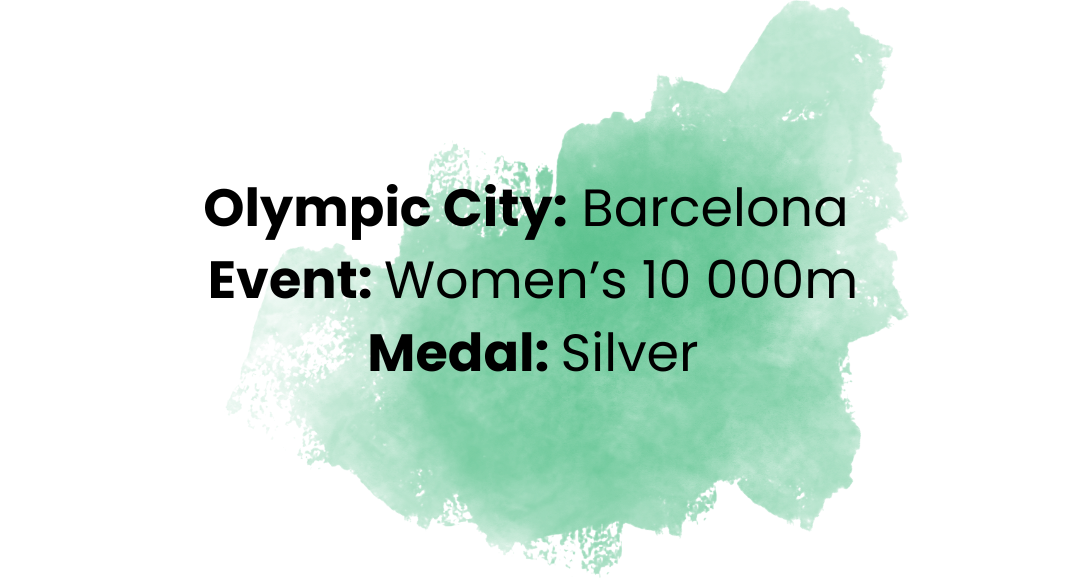
With South Africa having last competed at an Olympics in 1960, the Barcelona Olympics were a significant moment in SA’s Games history. So hastily arranged was the country’s participation in Spain that they competed under an interim flag, with Beethoven’s Ode to Joy their equally transitional national anthem. In what turned out to be a historic race – Ethiopian winner Derartu Tulu was the first black African woman to win an Olympic gold medal – Meyer's silver was South Africa’s first medal post readmission. And to cap off the united feel of it, Tulu and Meyer doing the victory lap hand-in-hand was the warm and fuzzy cherry on top.

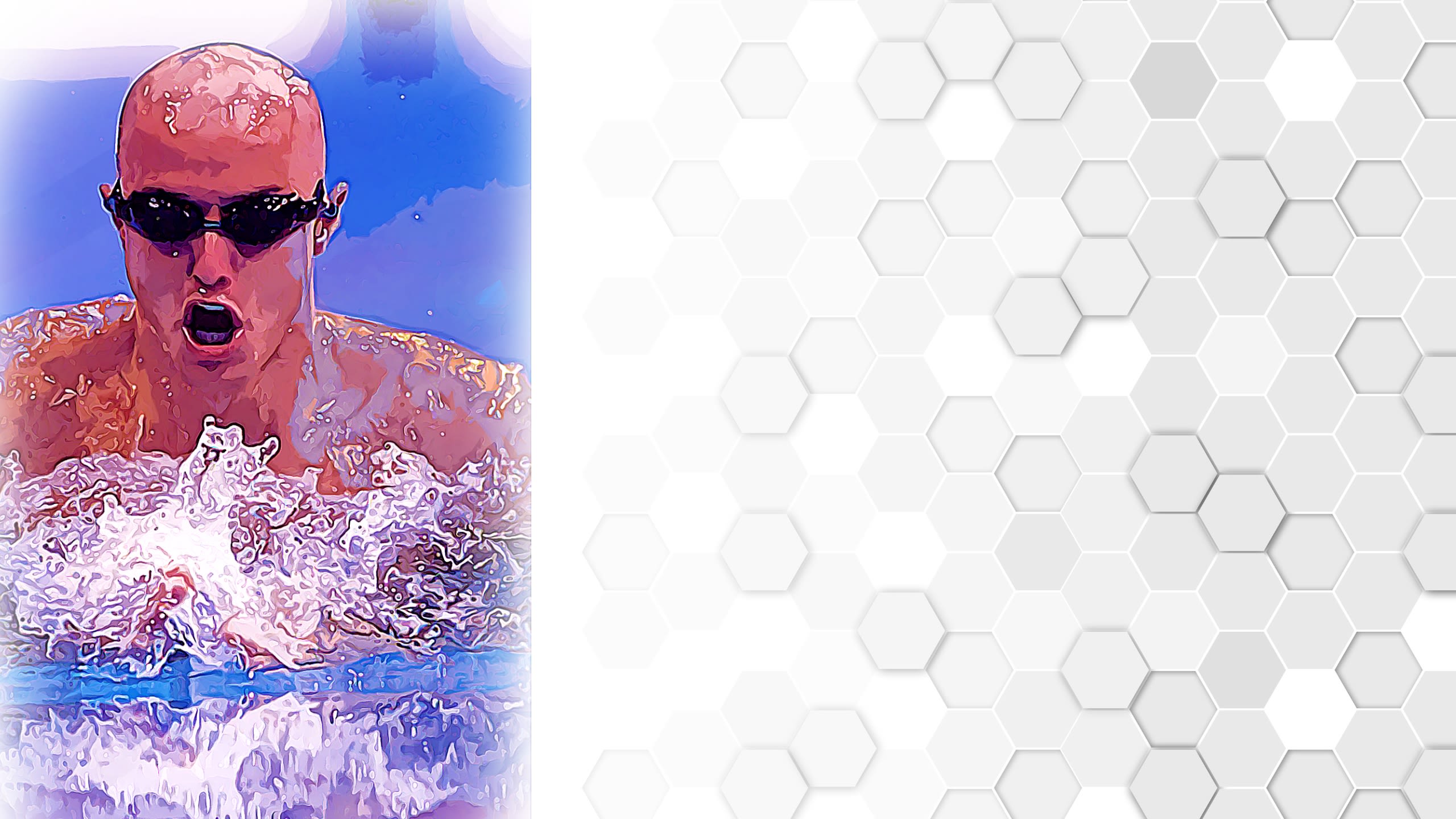
1996
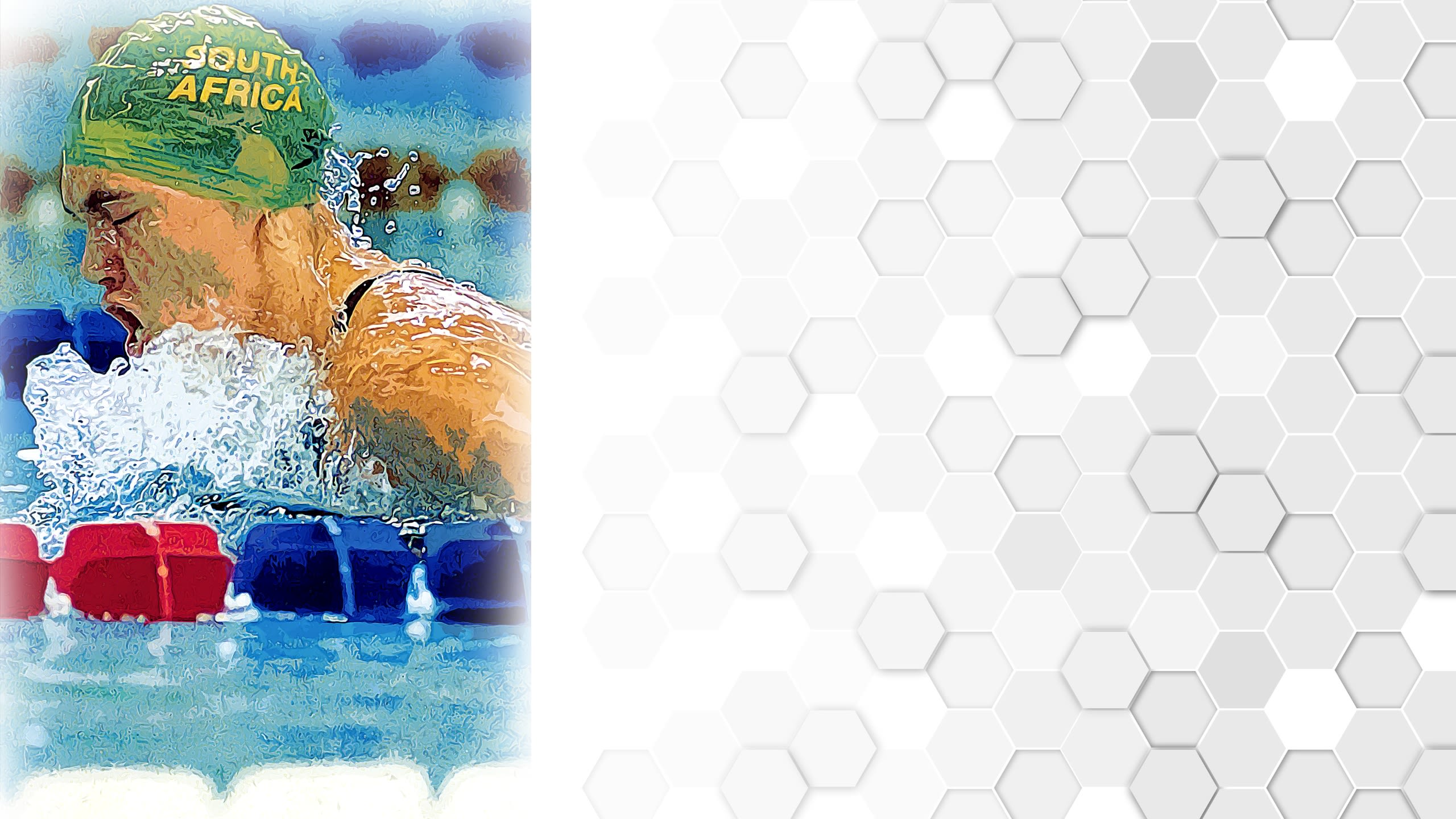
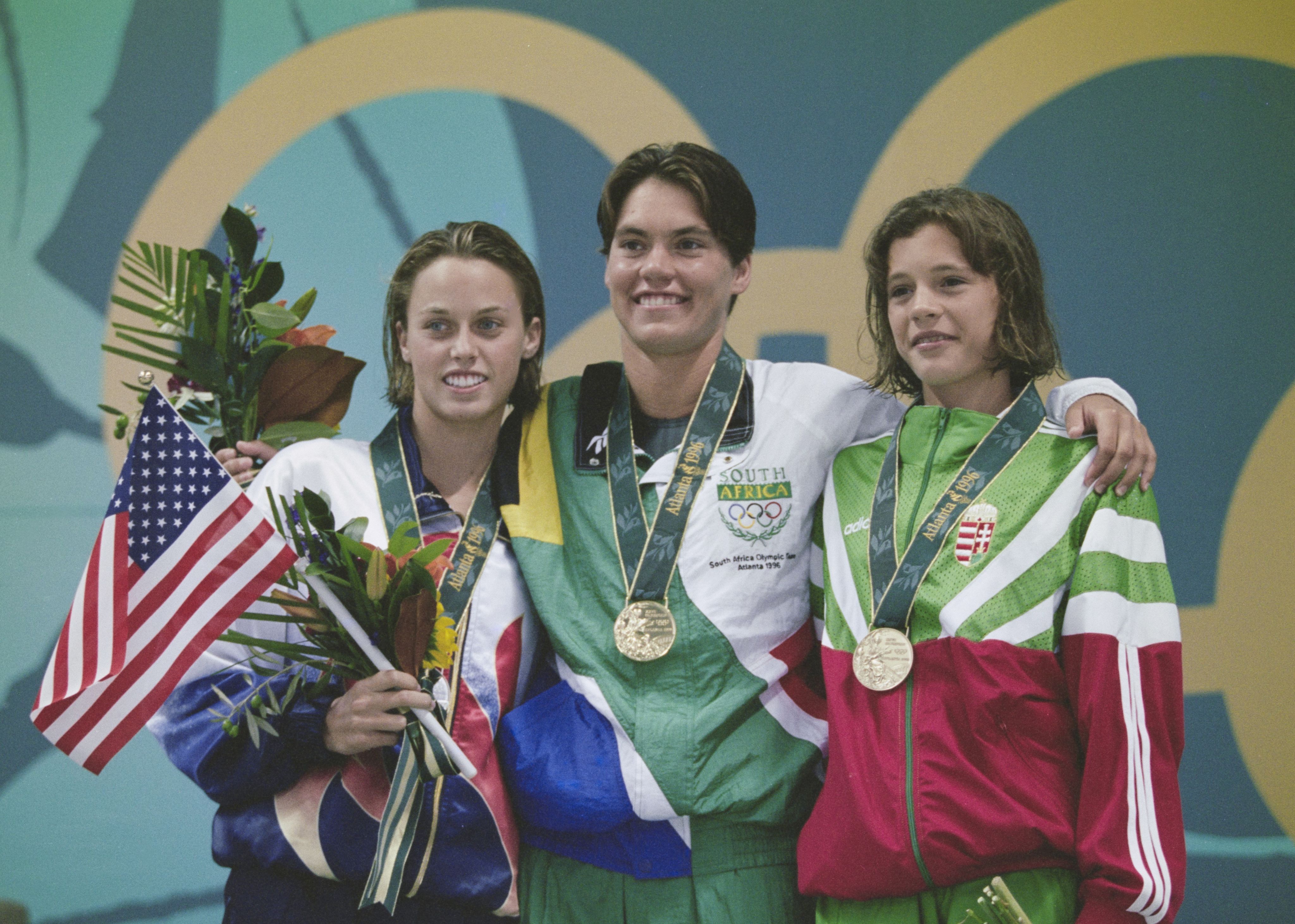
Penny Heyns (Gold, 100m and 200m Breaststroke)
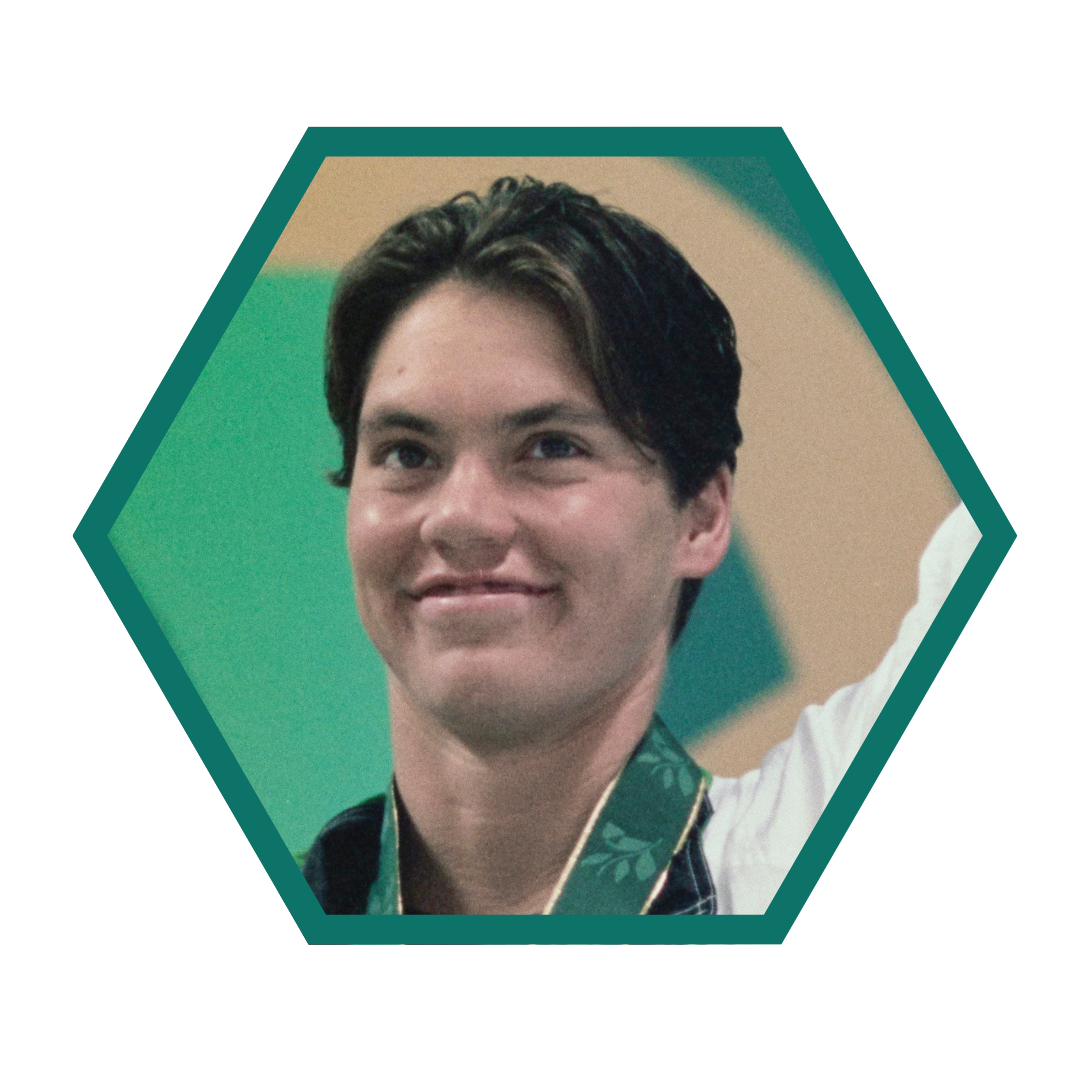
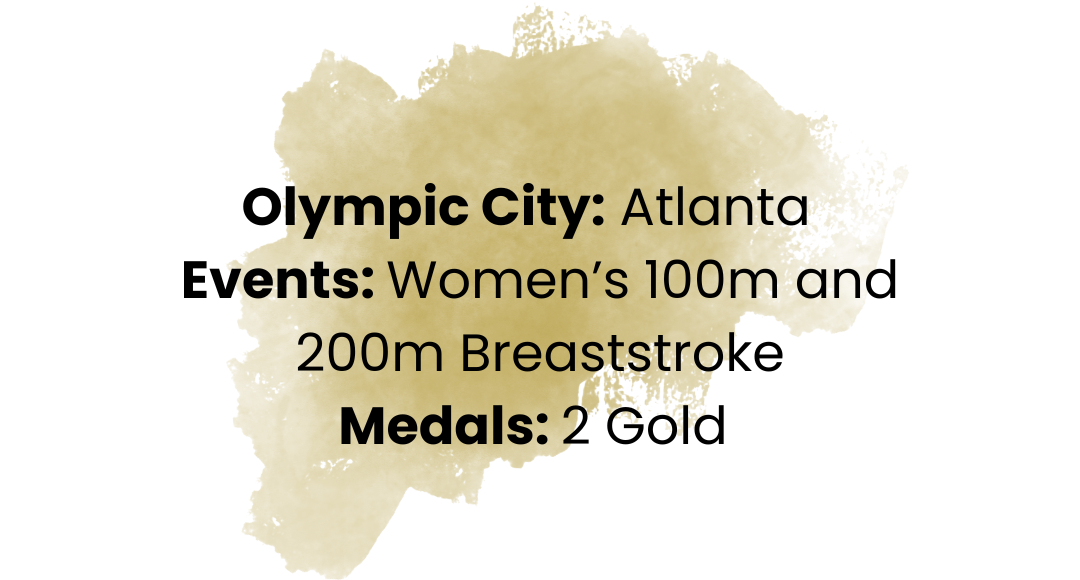
When a 17-year-old Heyns was selected to go to the Barcelona Olympics despite being runner-up to Shelagh Turner in the 100m breaststroke at the 1992 national champs, there was a fair bit of disgruntlement in the swimming community. But the experience gained in Spain resulted in her winning both the 100m and 200m gold medals in Atlanta, becoming SA’s first female gold medallist in the sport since Joan Harrison in 1952. To gain a sense of her achievement, team SA got three golds in Atlanta, and Heyns got two of them in the first four days of the Games

1996
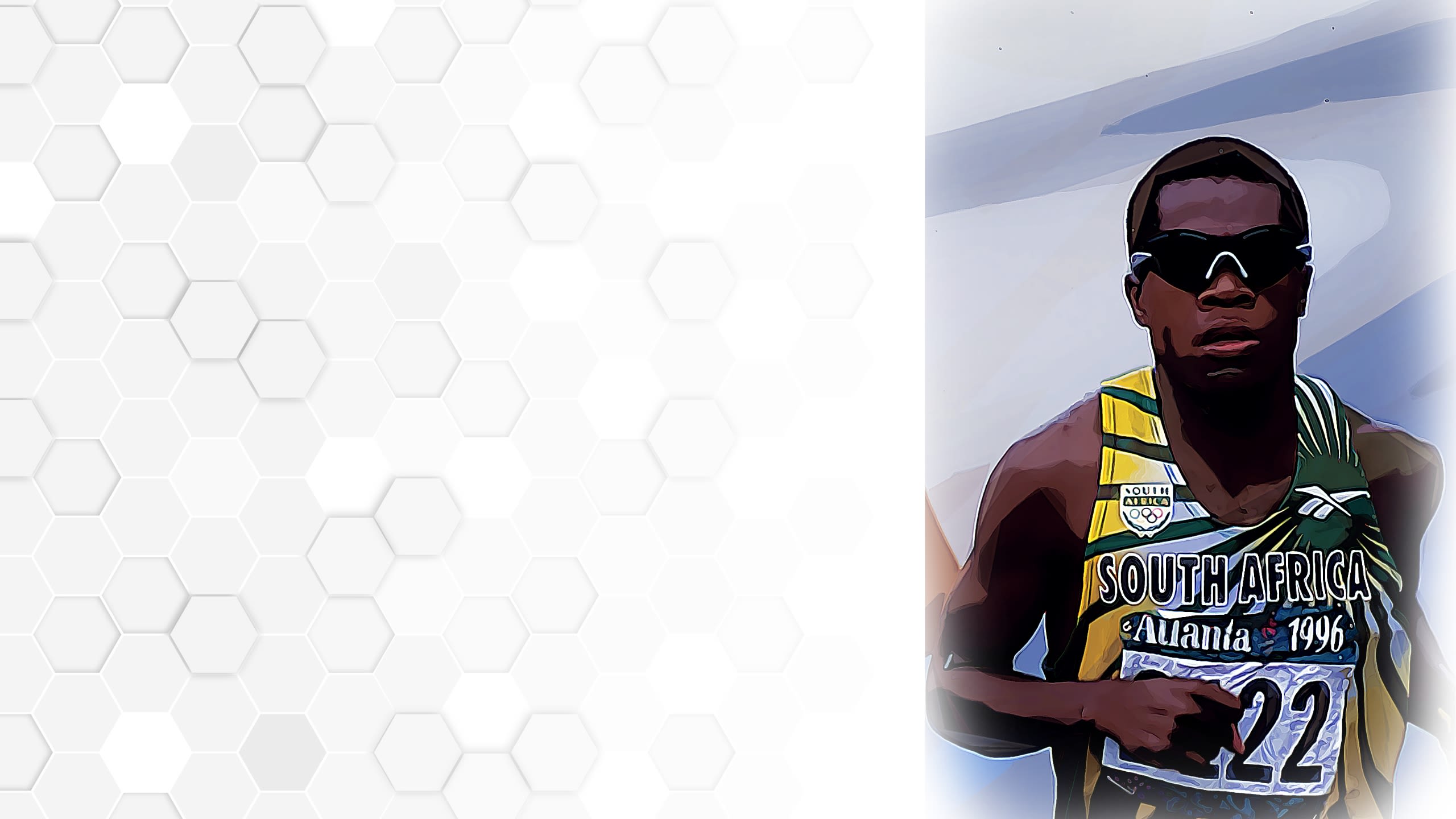
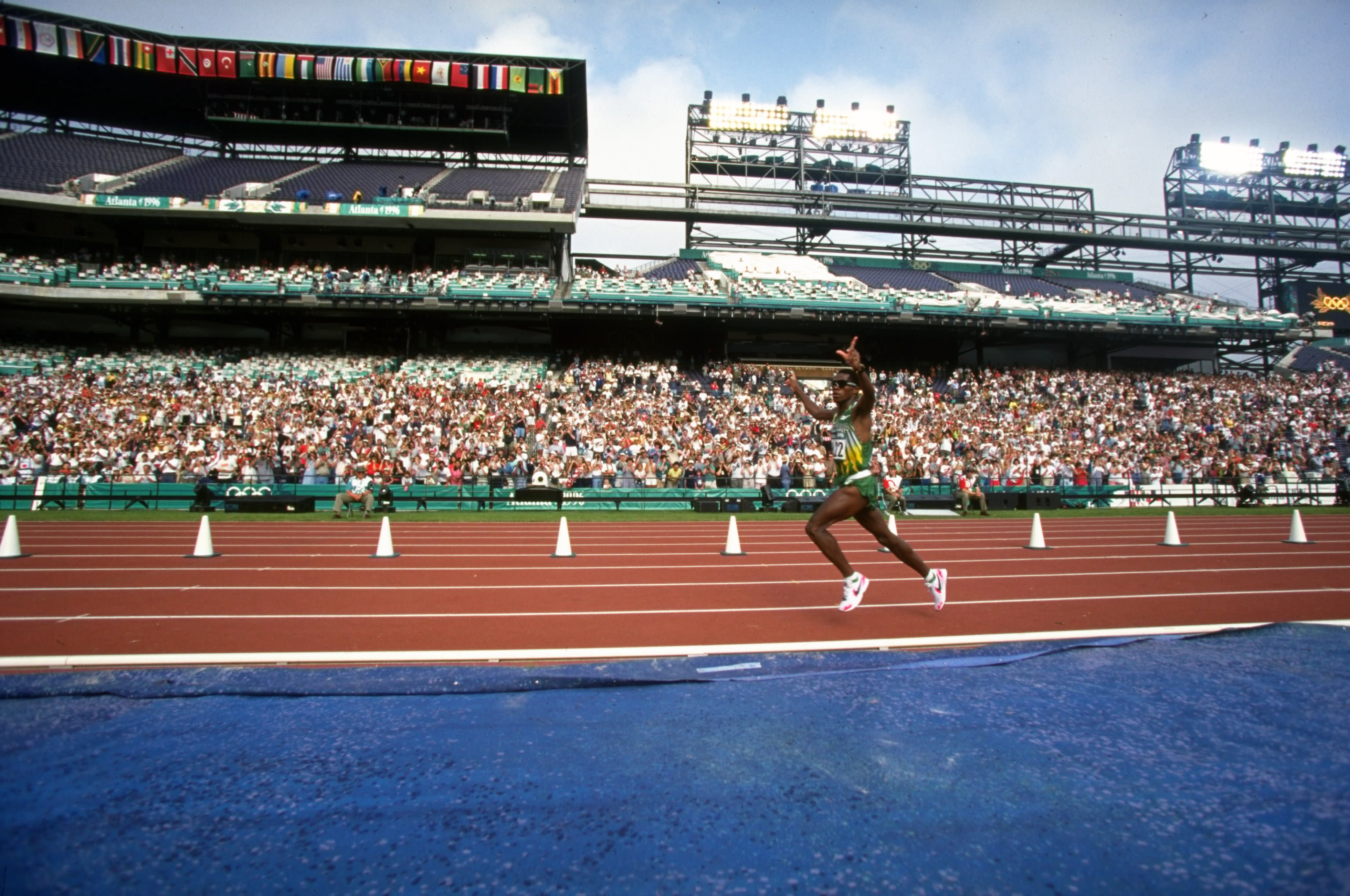
Josia Thugwane (Gold, Marathon)
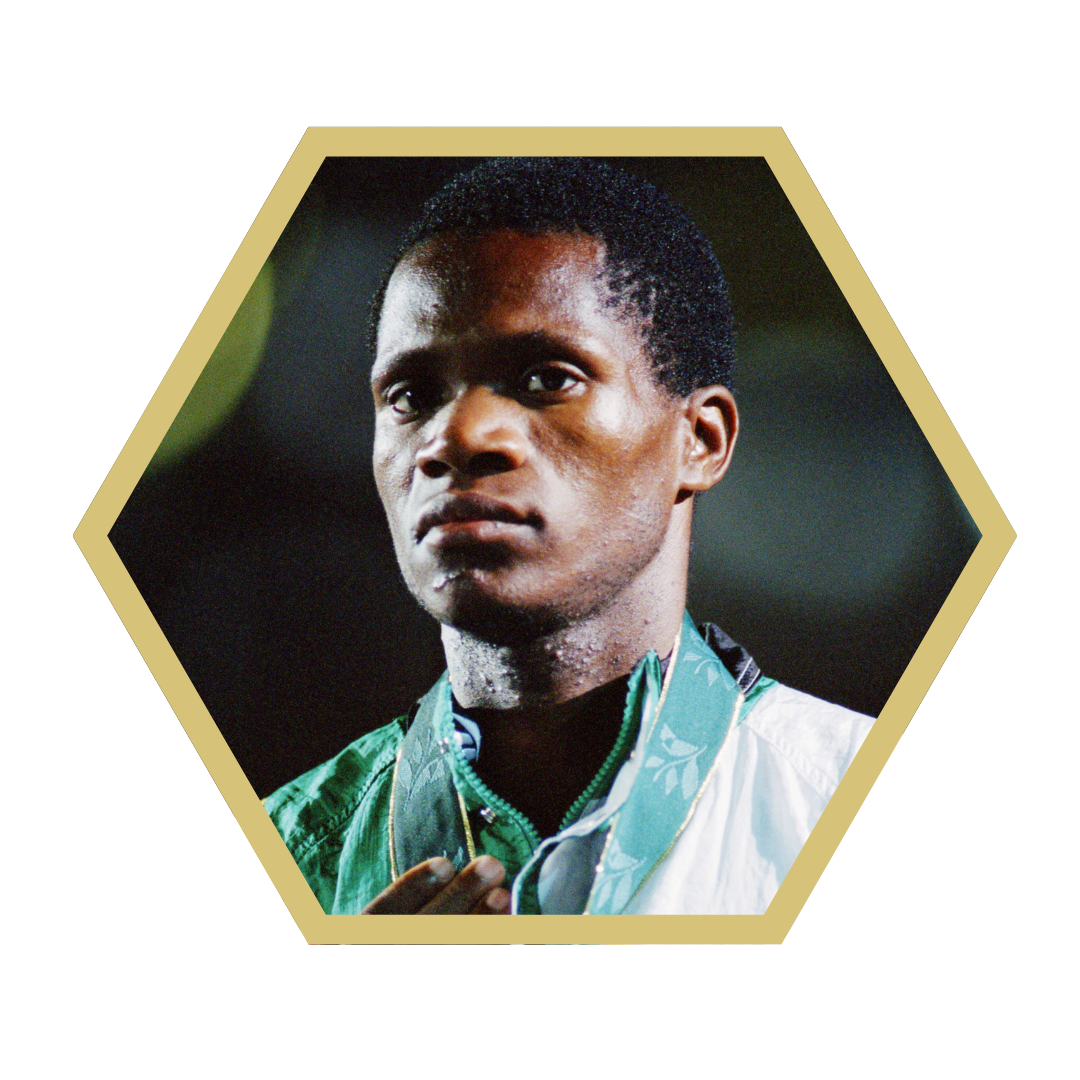
Five months before the Atlanta Games, Thugwane was hijacked of his bakkie by two passengers he’d picked up on the side of the road. Not only was he grazed on the chin by his assailants’ bullet, but he also had to jump out of a moving car. Having suffered a bulging disc in his back which required daily physio over three weeks, he still went on to win what is still the closest marathon in Olympic history (Korea’s Lee Bong-Ju finished three seconds behind) in 2:12.36. Thugwane’s background – his parents had abandoned him by the age of four, which meant a life of hardship at a farm in Bethal before he found running as a teenager – made the victory all the more seminal.

2000
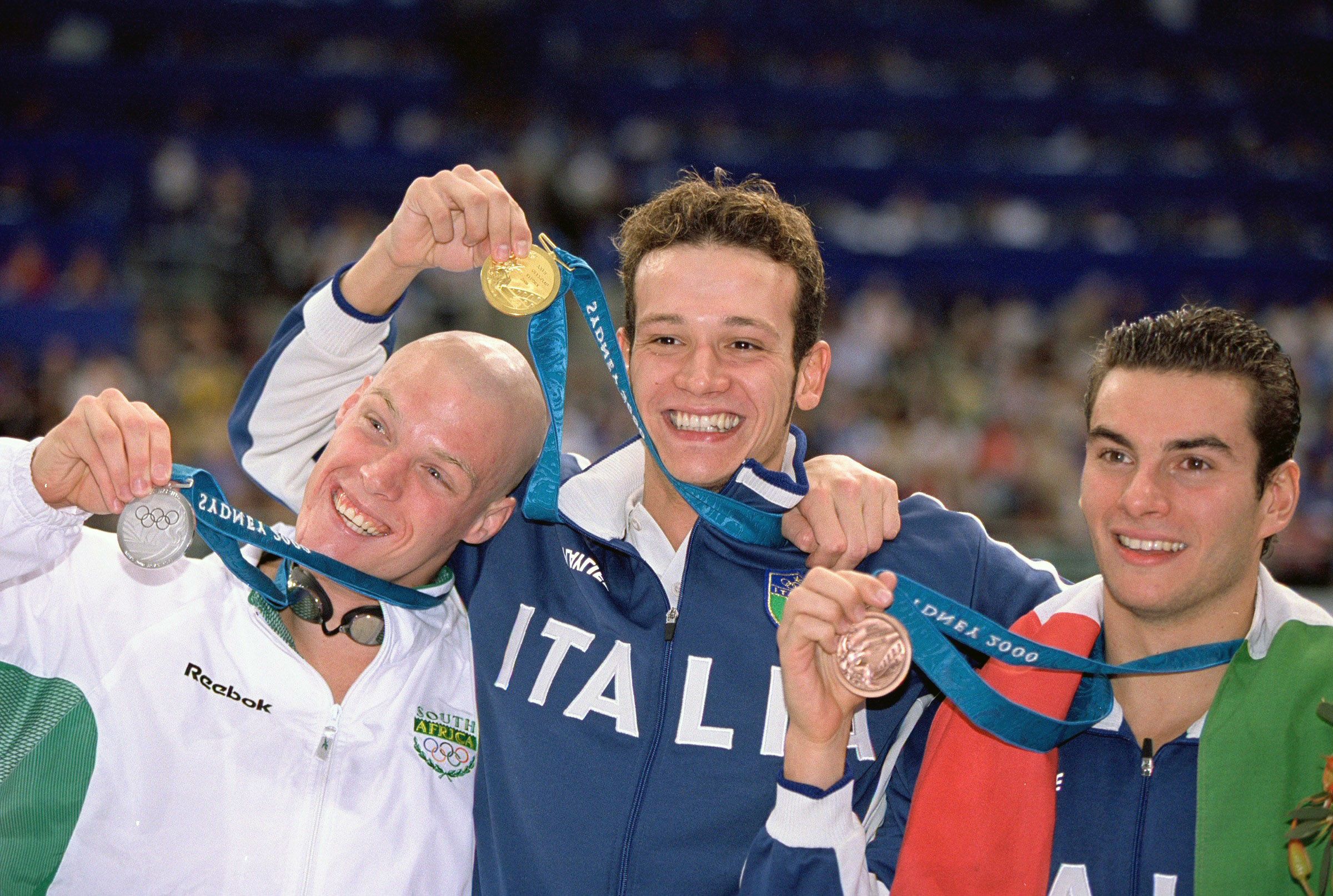
Terence Parkin (Silver, 200m Breaststroke)

It may come as interesting trivia for most that when Parkin swam for the Graham Hill’s Seagulls club, one of his teammates was a backstroke swimmer named Charlene Wittstock, who now goes by the name Princess Charlene of Monaco. But the then 20-year-old's main claim to fame at the Sydney Olympics was that he was the first deaf swimmer to win a Games medal, needing a specially mounted strobe light to signal the race’s start for him. And to prove that all heroes swim breaststroke, he saved a child from drowning in 2011.

2004
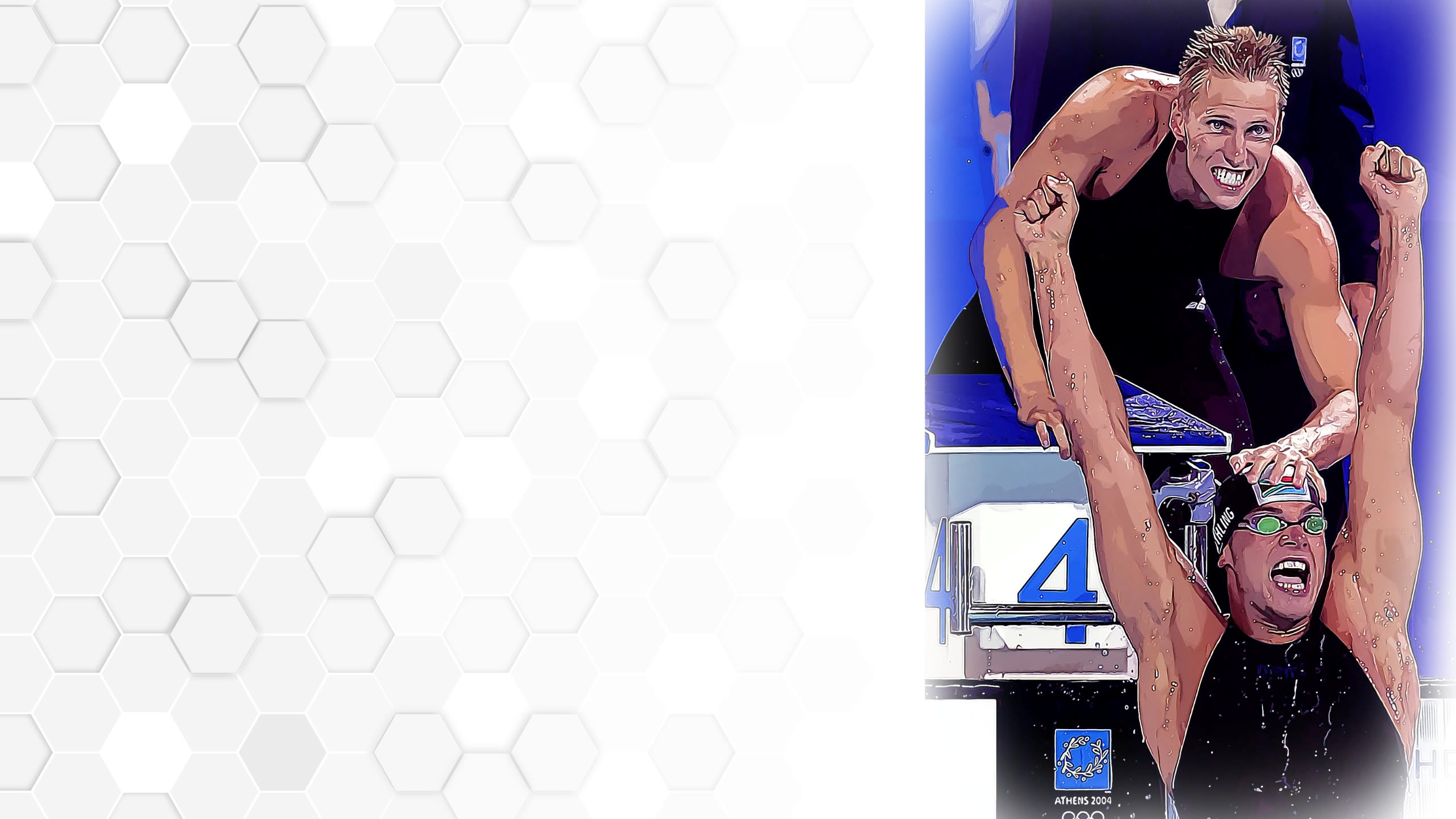
Awesome Foursome (Gold, 4x100m Freestyle Relay)
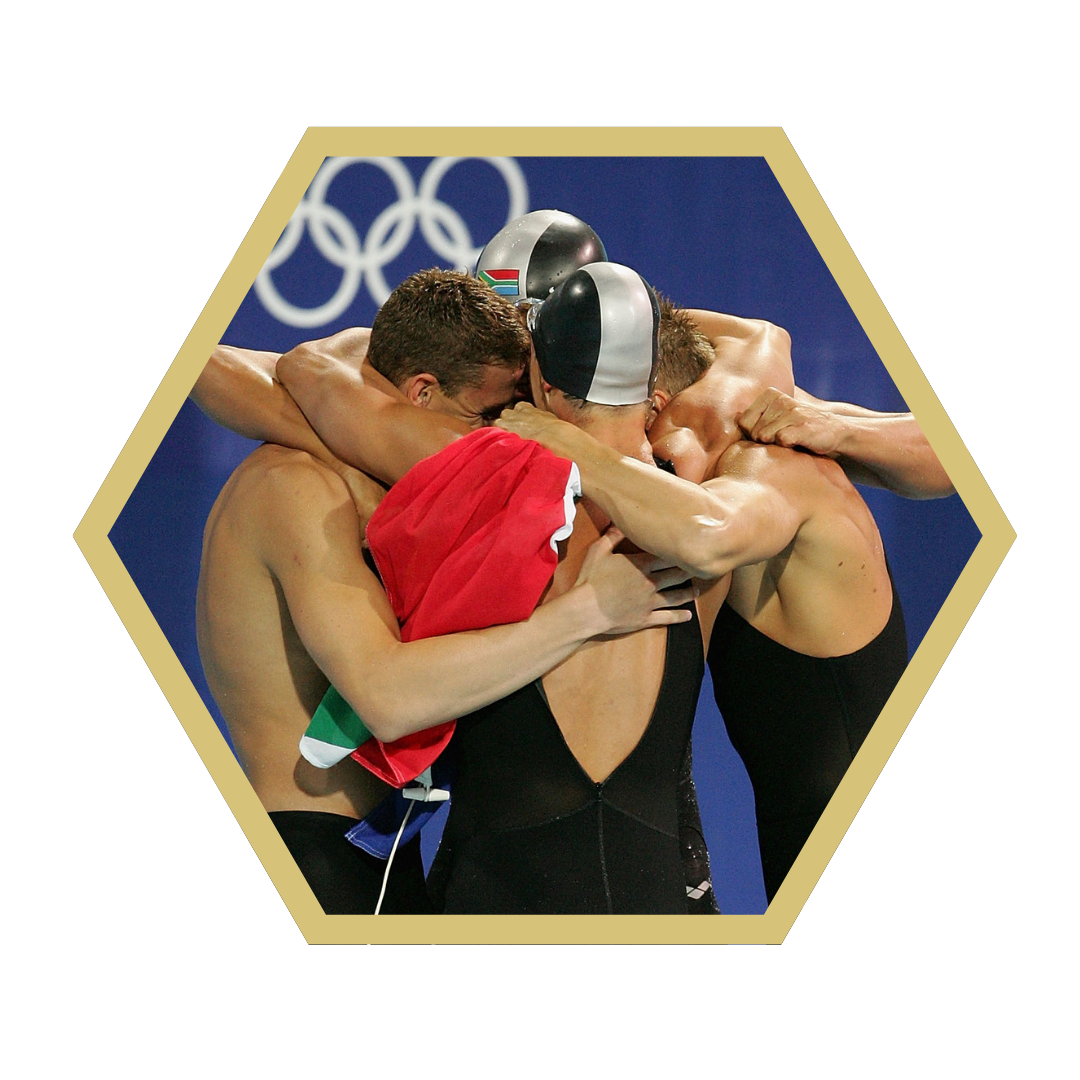
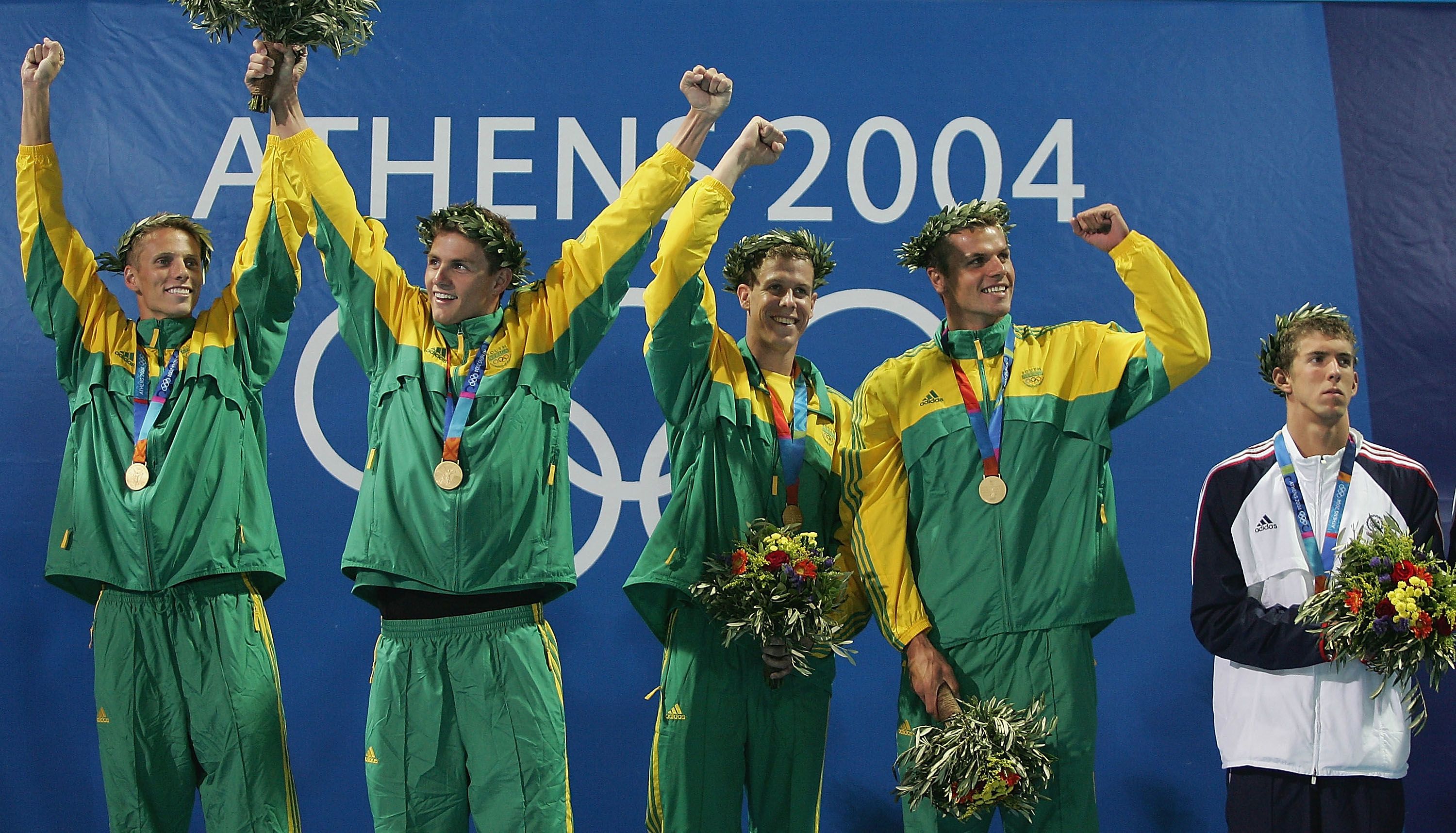
Going into Athens, the major talking point around the 4x100m freestyle relay was the bitter rivalry between the USA and Australia begun by the Aussies’ narrow win at the Sydney Olympics. But Team SA’s Ryk Neethling, Lyndon Ferns, Darian Townsend and Roland Schoeman had other ideas, shocking the world by winning the Athens race in a world record time of 3:13.17. As background to the improbable victory, Neethling had transformed himself from a distance swimmer to a sprinter, had to get over an uneasy relationship with Schoeman, with Townsend having to win a swim-off to be the team’s fourth and last member.

2008
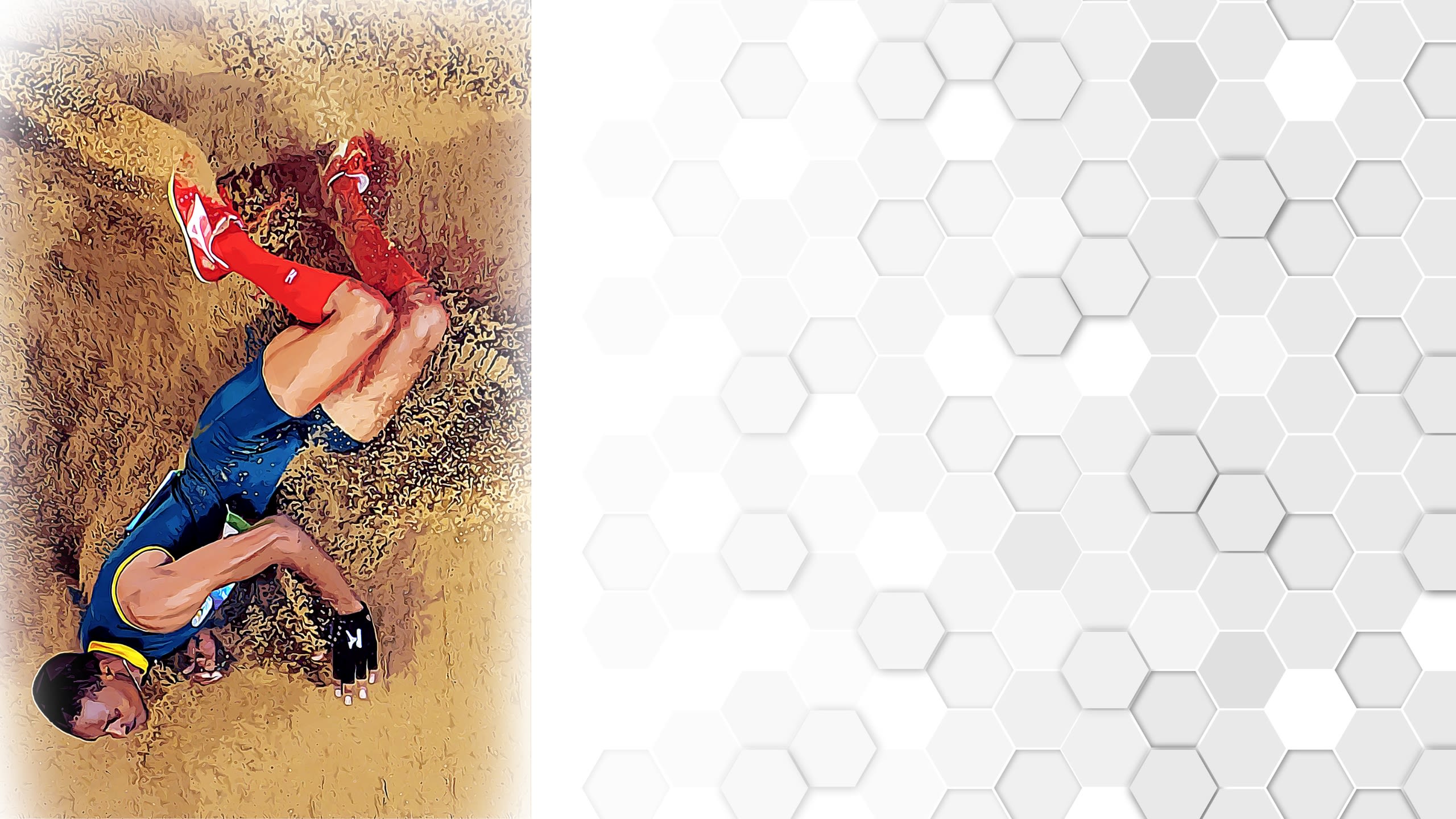
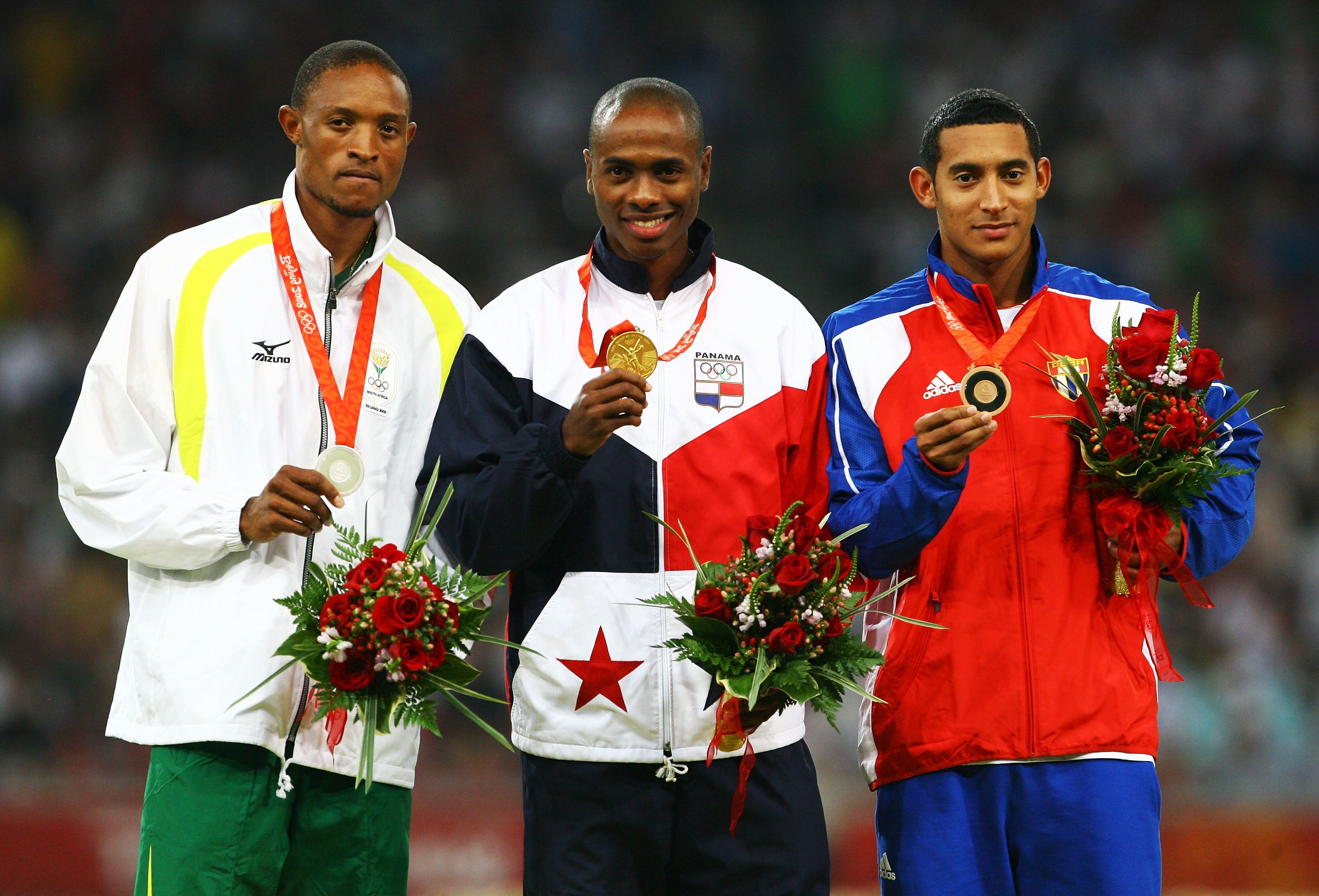
Khotso Mokoena (Silver, Long Jump)
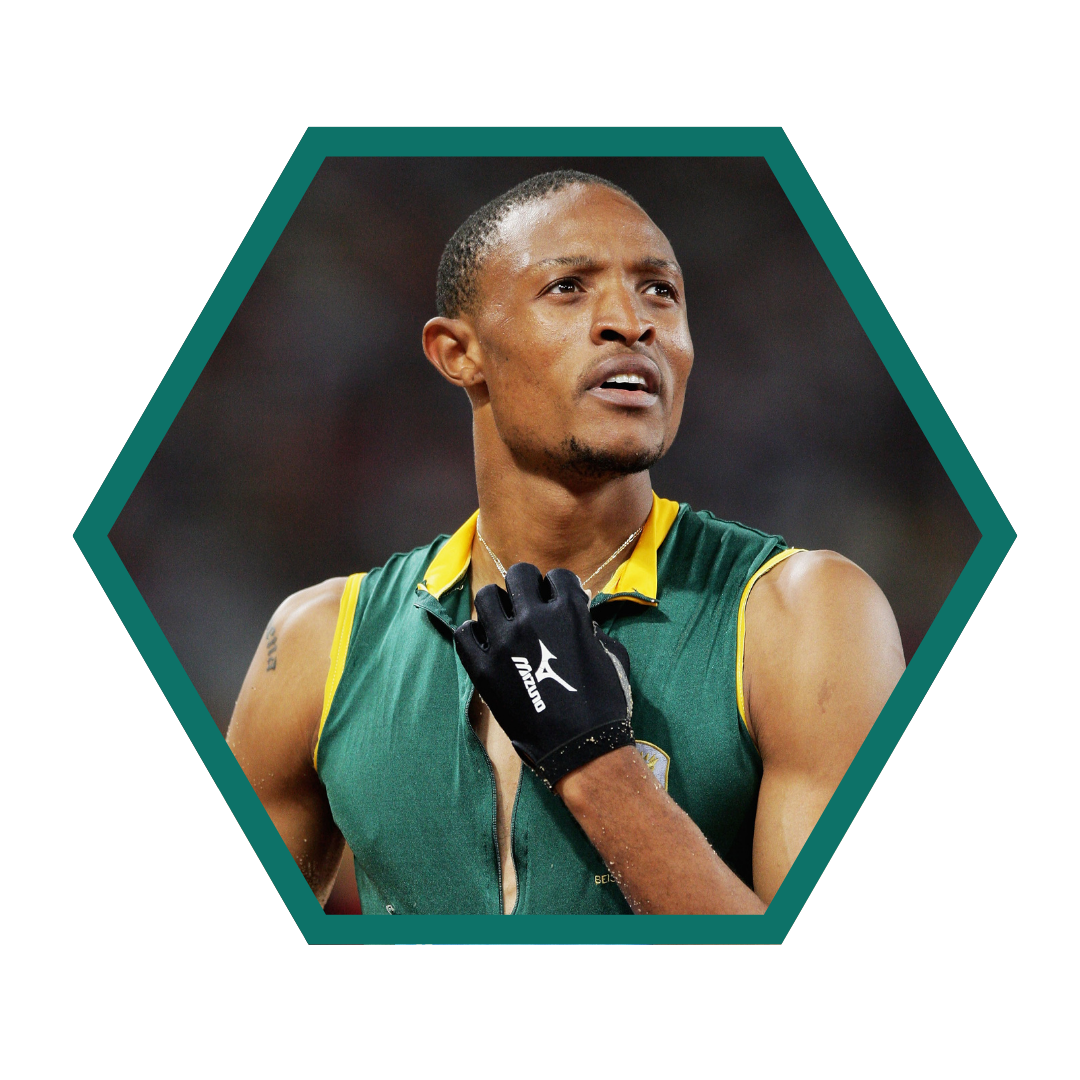
On the face of it, silver is usually seen as not much to write home about. But when it’s literally the only medal a whole team wins at an Olympics, it’s a pretty big deal. A 2004 junior world champion and a two-time African champ in the long and triple jumps who also won world indoor gold the same year he finished second in Athens, Mokoena’s leap of 8.24m in Greece will forever be his greatest achievement because he was the only athlete of 106 to perform to his potential.

2012
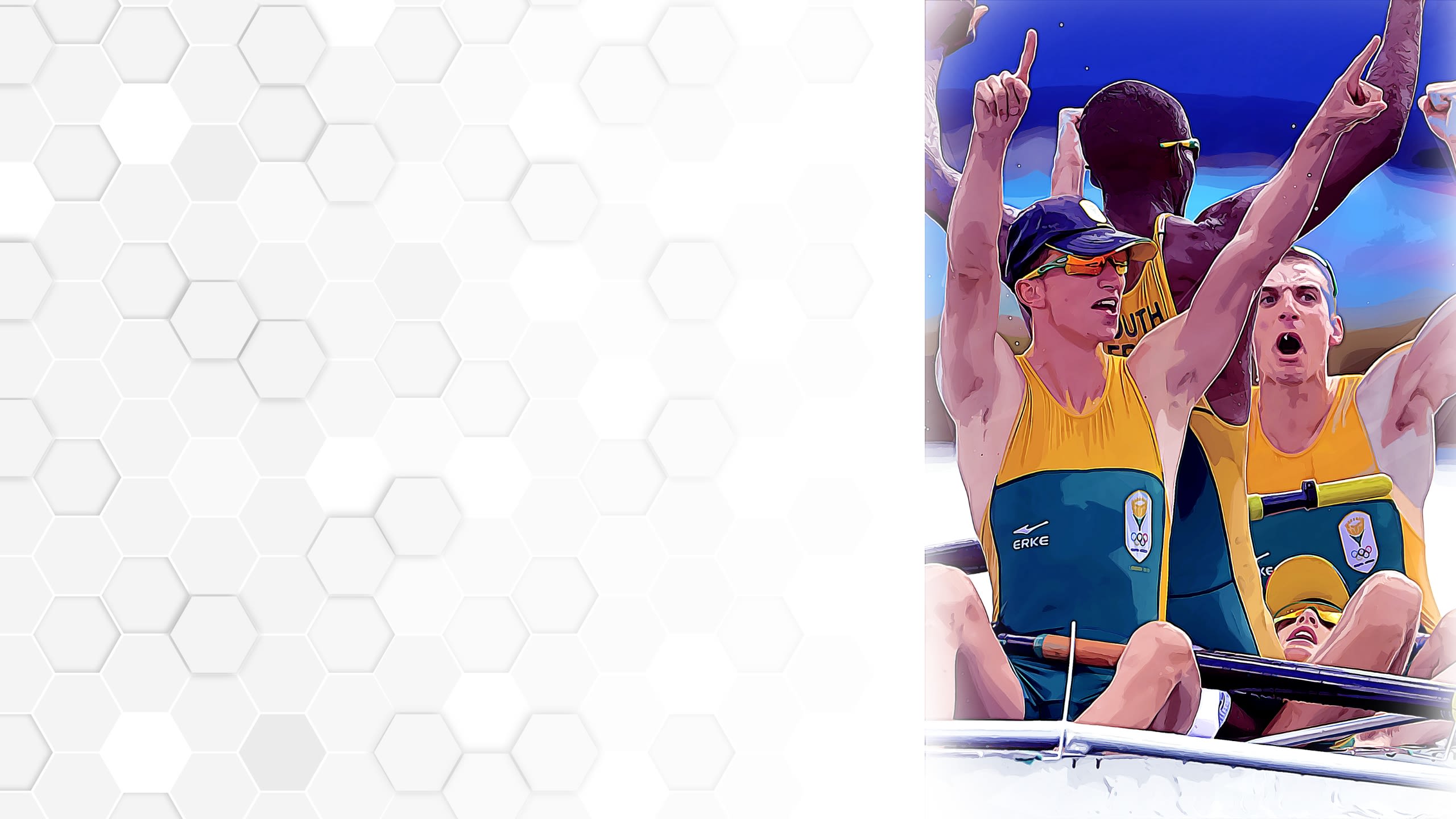
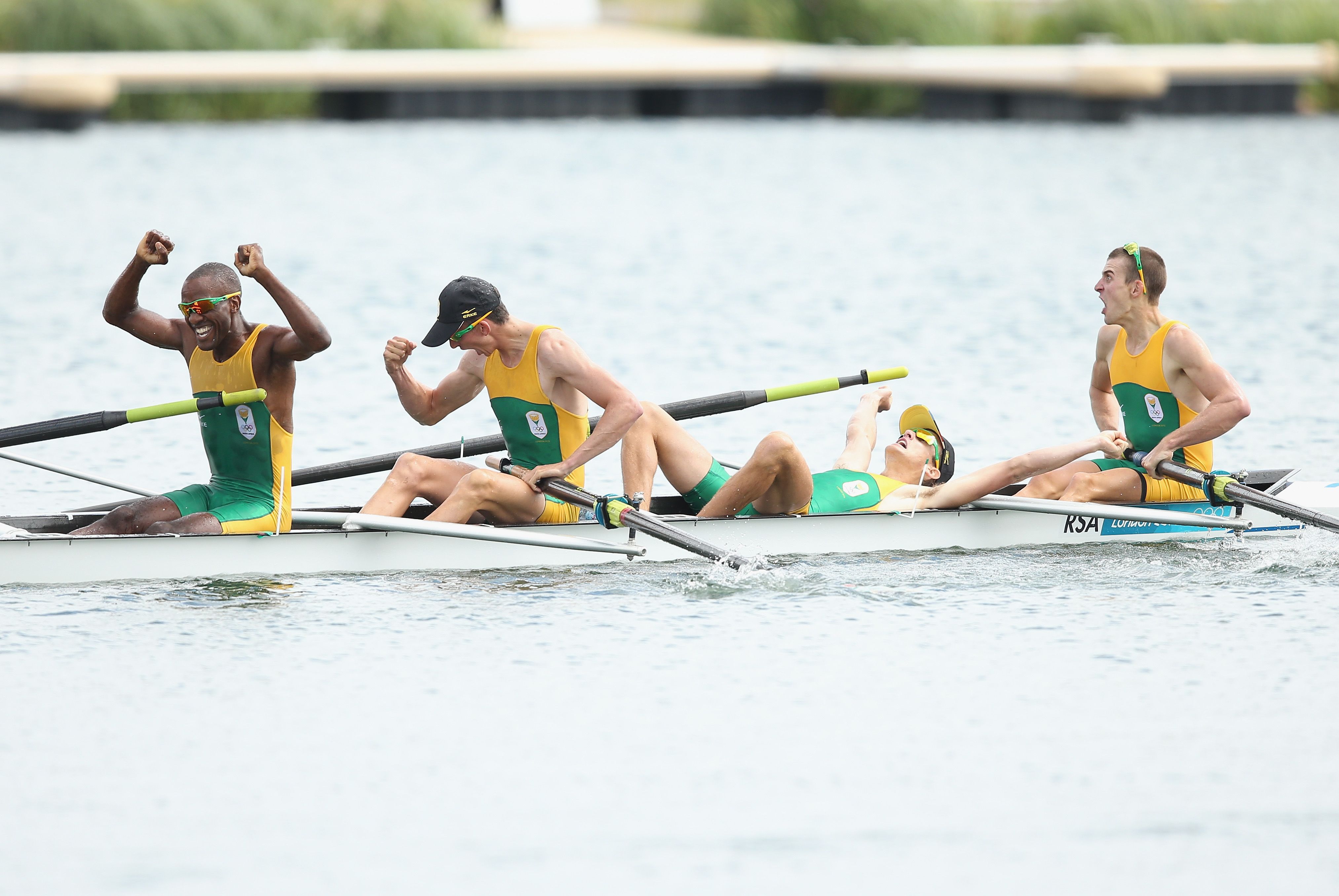
Oarsome Foursome (Gold, Men’s Lightweight Fours Rowing)
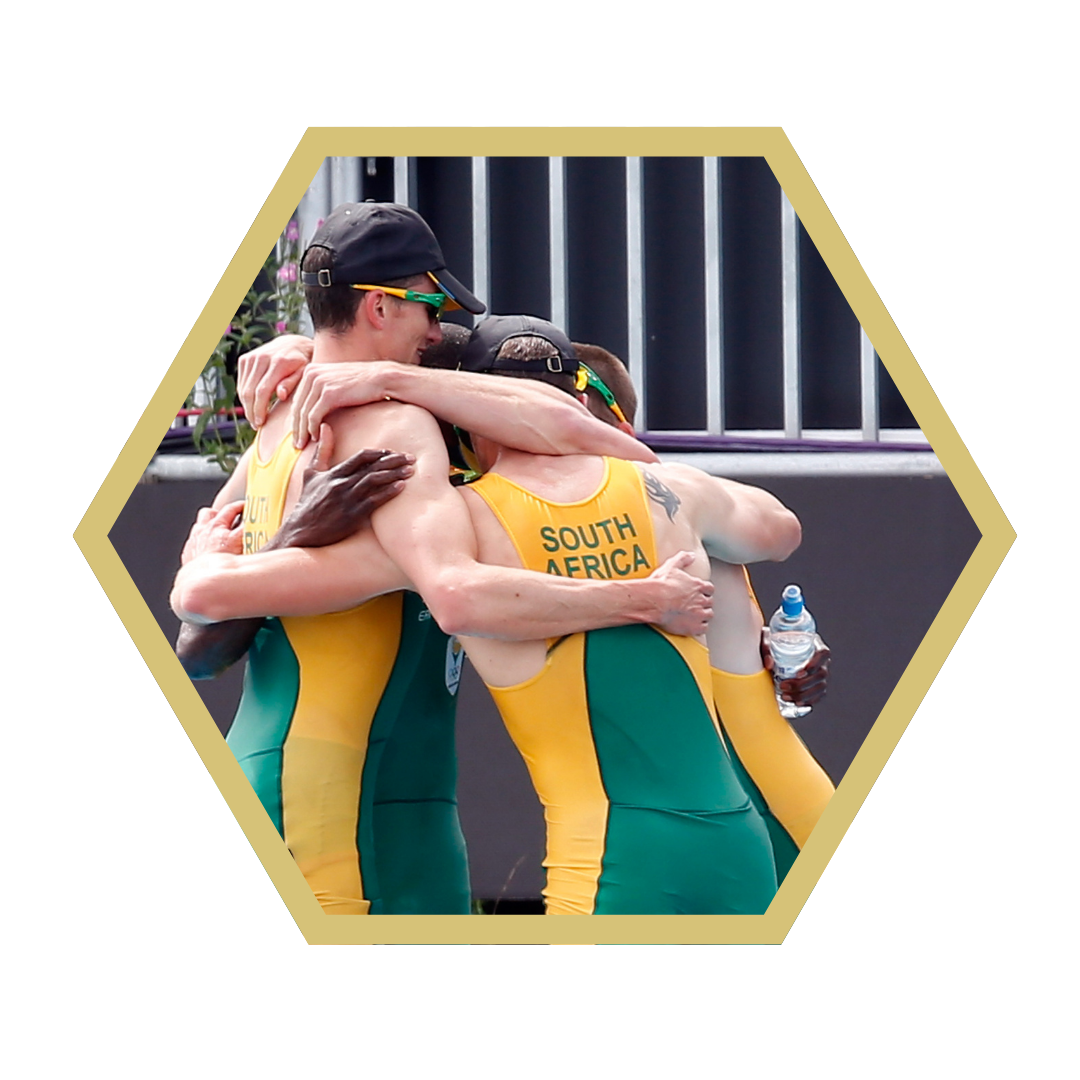

Before Donovan Cech and Ramon di Clemente won bronze in the men’s coxless pairs in 2004, rowing wasn’t an obvious source of medals for Team SA. By 2012, Rowing SA head coach Roger Barrow was working the squad so hard that the men’s lightweight fours’ gold (in 6:02.84) was as expected as it was a surprise. Like the 4x100m freestyle relay swim team, the background of the rowers was incredibly varied: Sizwe Ndlovu was the son of a taxi driver and domestic worker, Matt Brittain came from SA rowing royalty, James Thompson had overcome crippling learning difficulties and John Smith bursting an eardrum after being kicked at water polo meant he couldn’t do any sport in which he could be under water.

2012
Chad le Clos (Gold, 200m Butterfly)
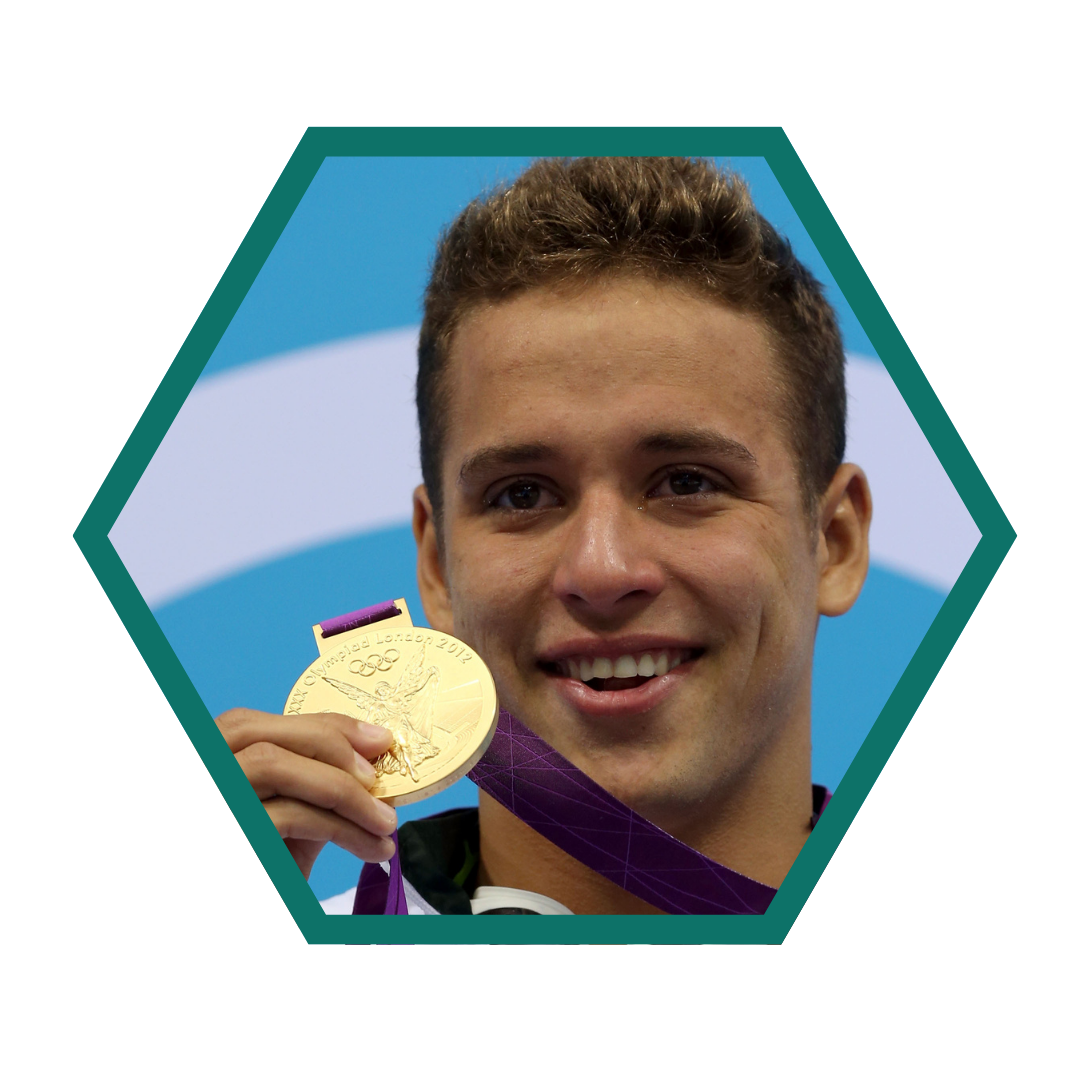
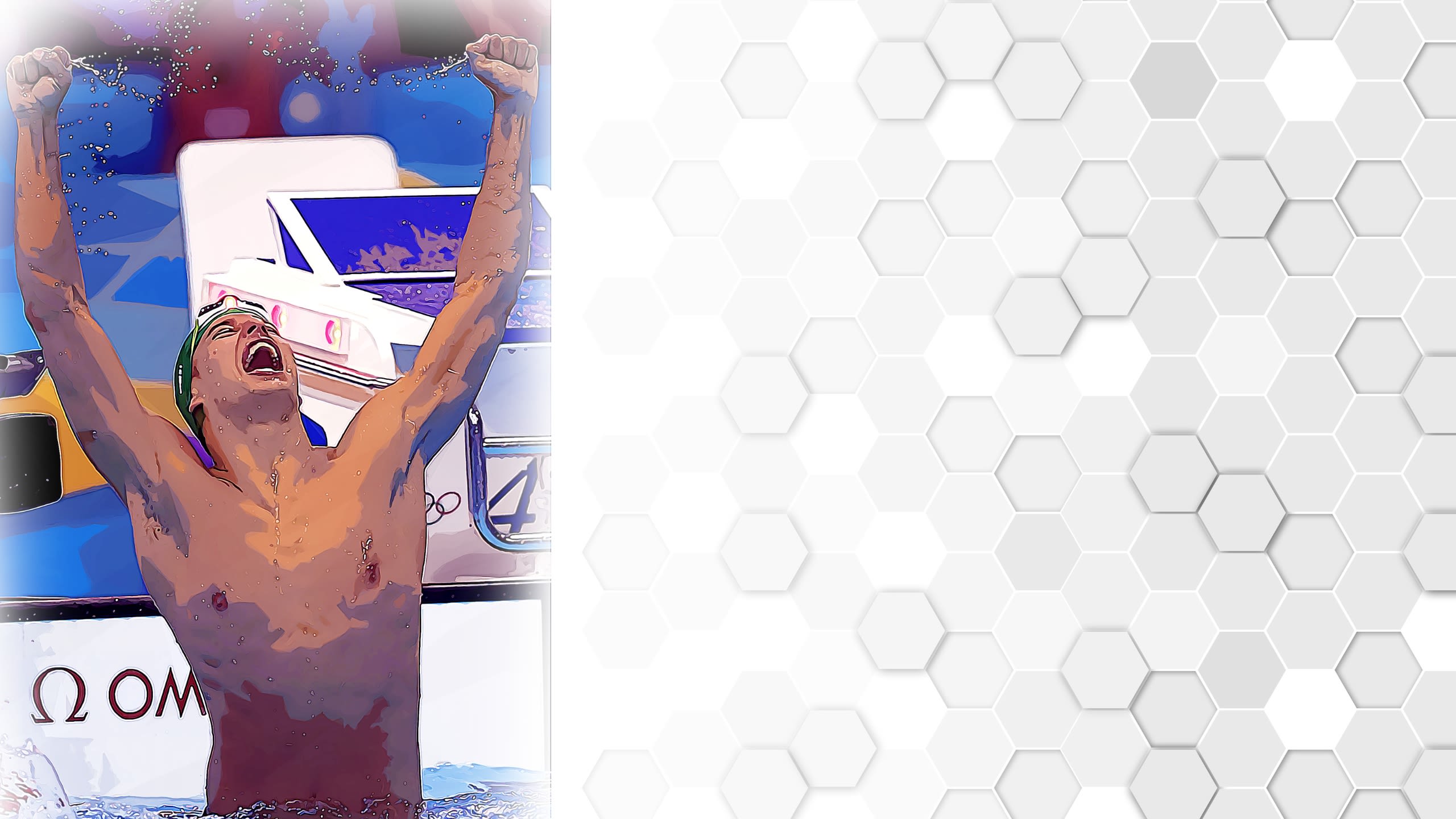
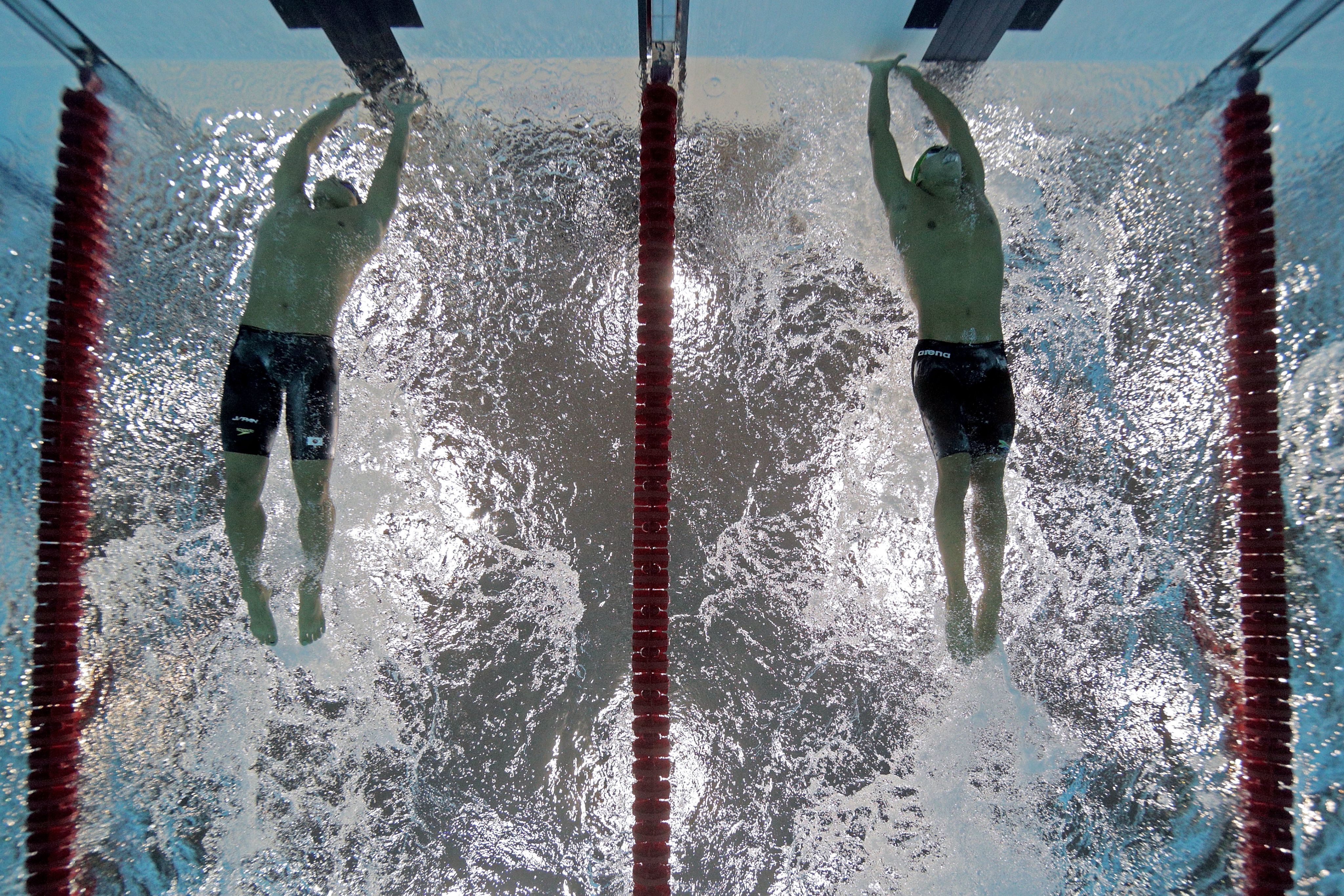
To get a sense of what the then 20-year-old Le Clos was up against in Michael Phelps in the men’s 200m butterfly final; the American had won an unprecedented eight golds four years prior in Beijing, was looking for his 15th Olympic gold medal and had not lost in the event – his favourite – in 10 years. But the young upstart, who came from third to first in the last 50m, out-touched Phelps by 0.05sec in finishing in 1:52.96 for one of the greatest upsets in Olympic history. As he said to Olympics.com years later: “I loved the guy, worshipped the guy. And then I had to beat the guy.”

2016
Wayde van Niekerk (Gold, 400m)
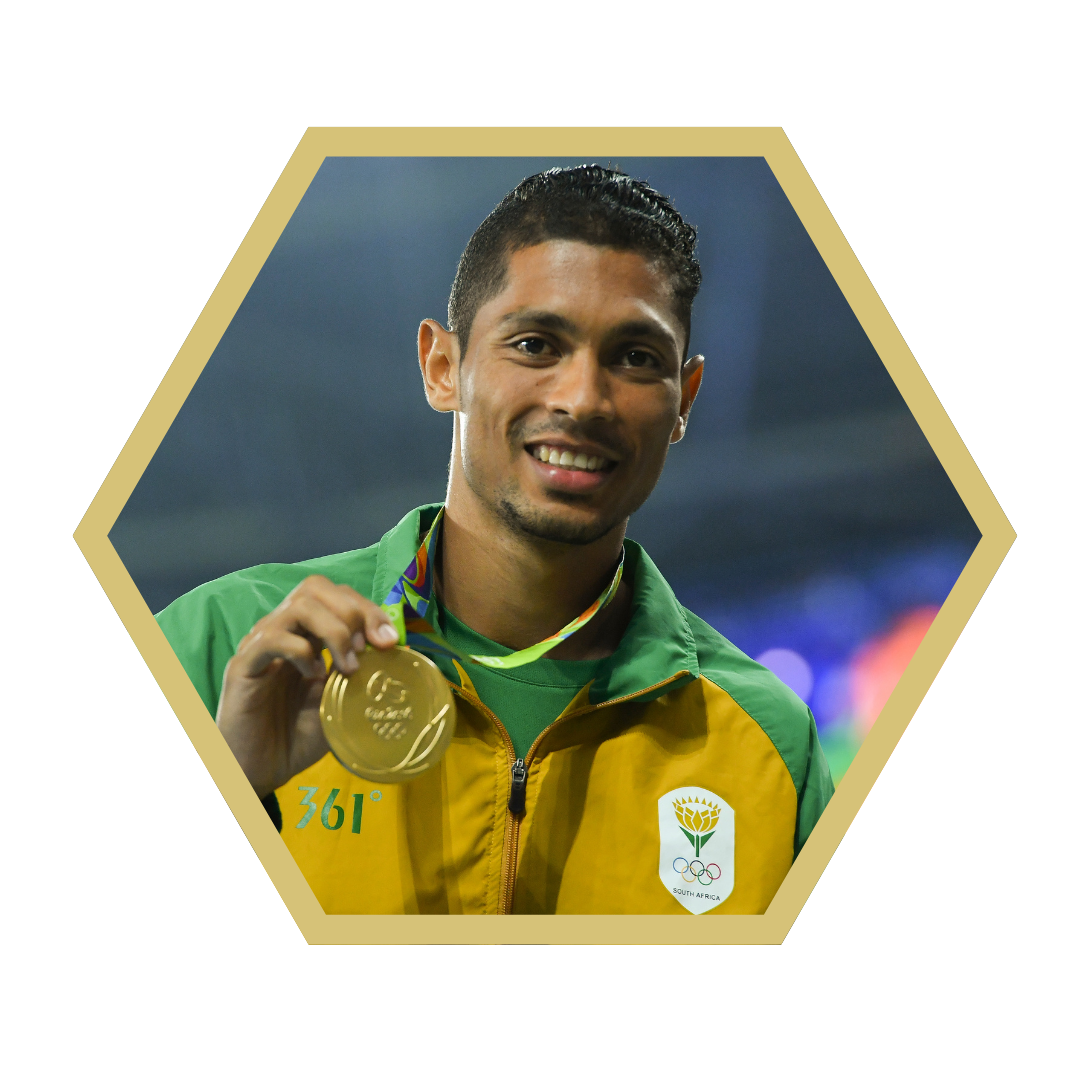
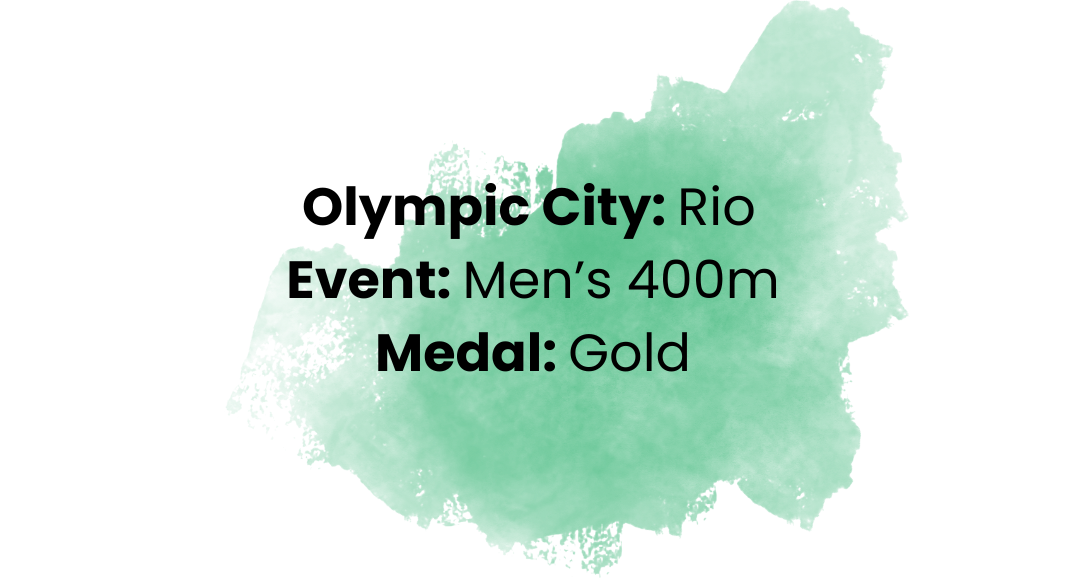
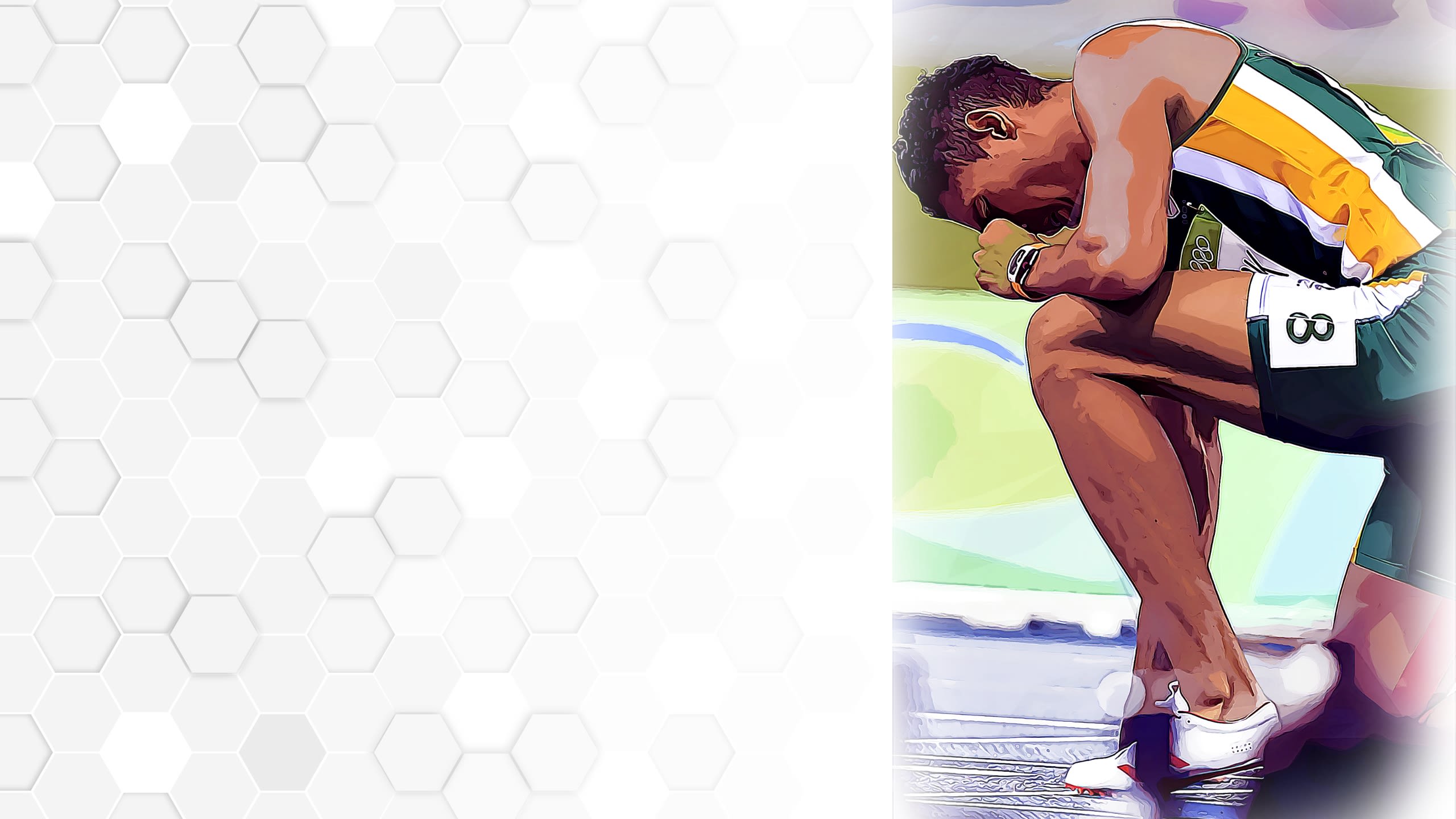
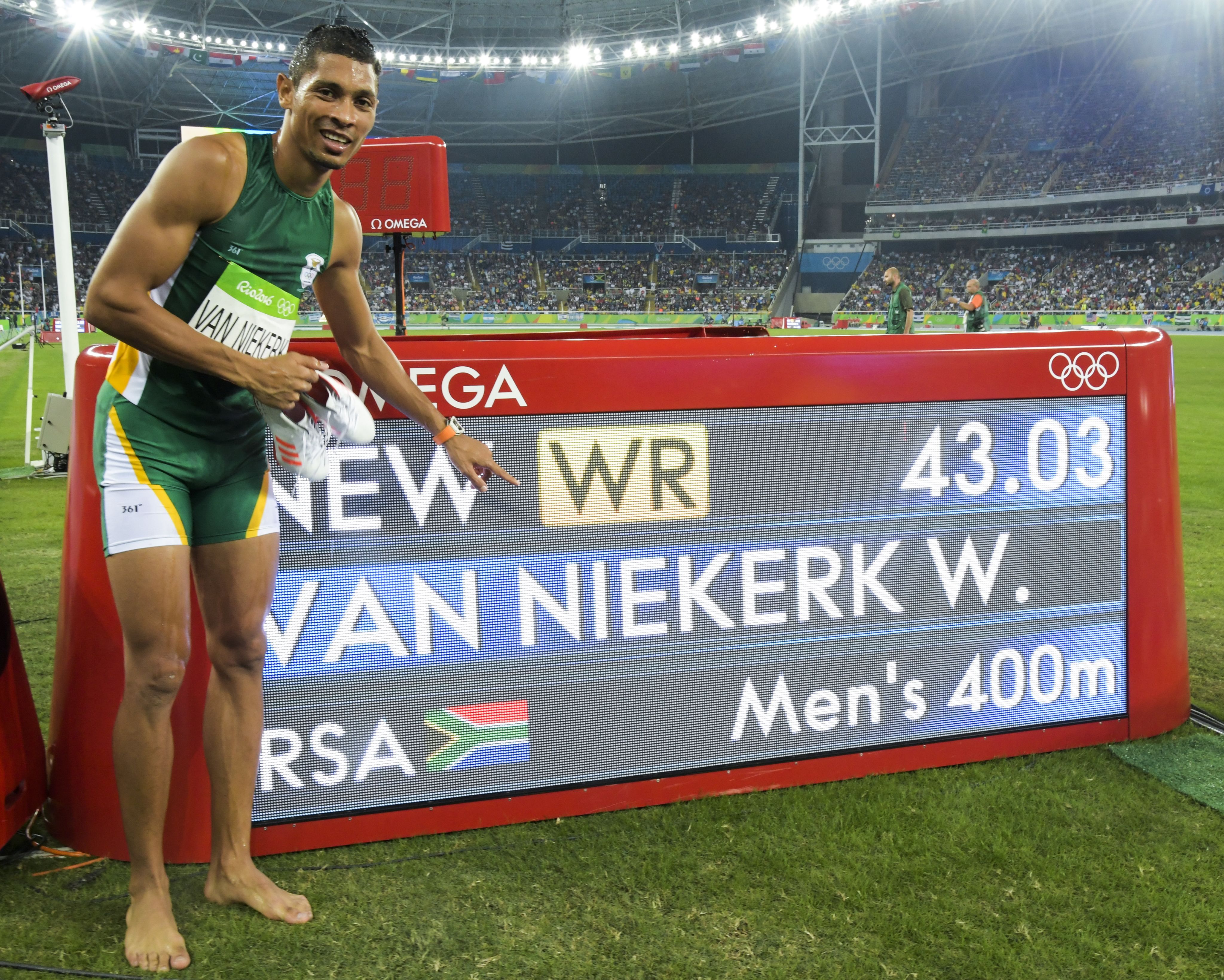
The ridiculous thing about Van Niekerk breaking the 400m world record in winning the event in Rio was the fact that he ran the event in the first place. Van Niekerk had only started running the 400m to help with his hamstring injury problems from running the shorter sprints, which ended up with a world championship in 2015. Before the Rio final, Van Niekerk struggled with his hamstring and was in lane eight, but having set out fast and kept going, he became the first athlete to win from that far wide in a scarcely believable time of 43.03sec.

2016
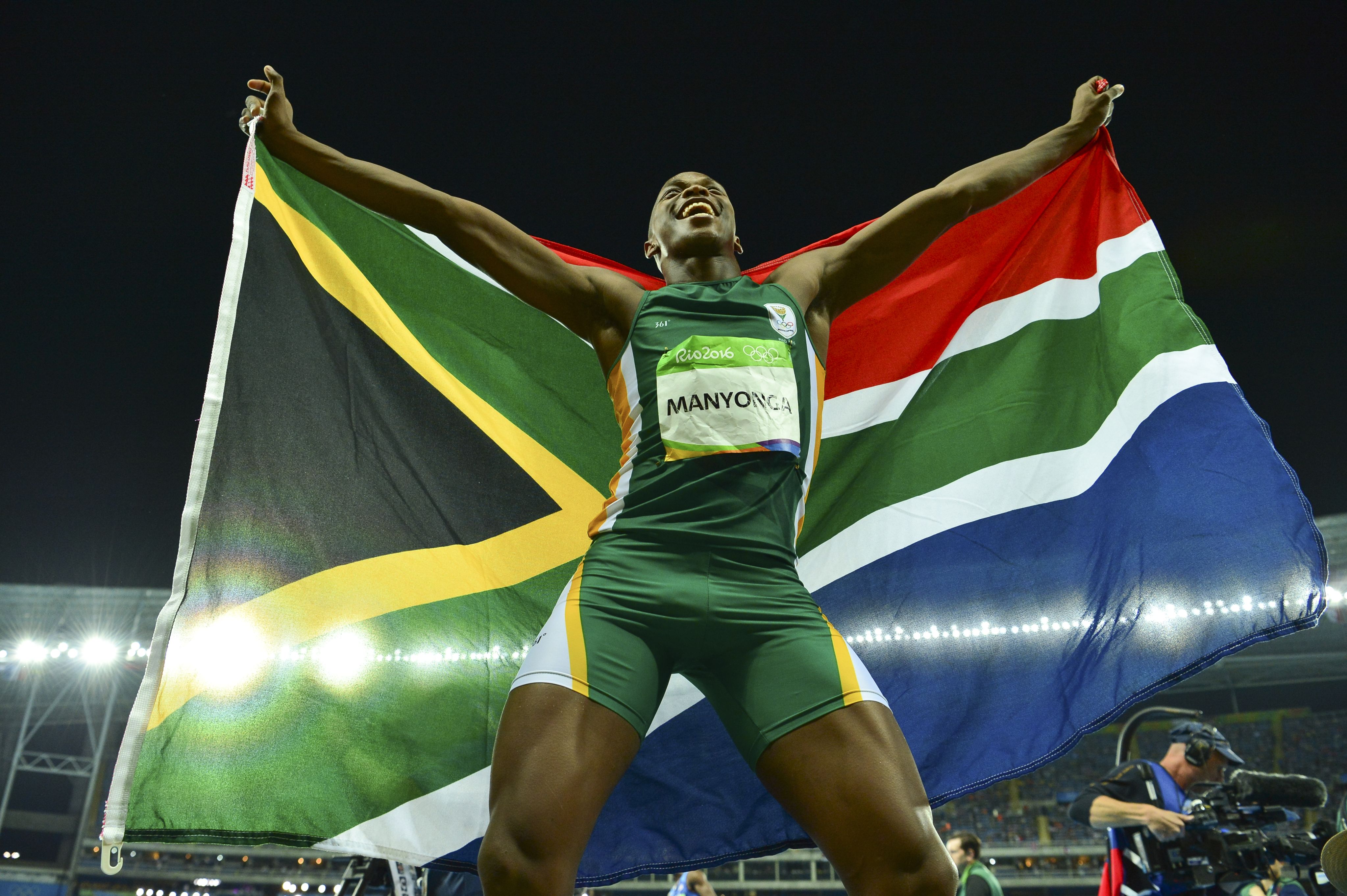
Luvo Manyonga (Silver, Long Jump)
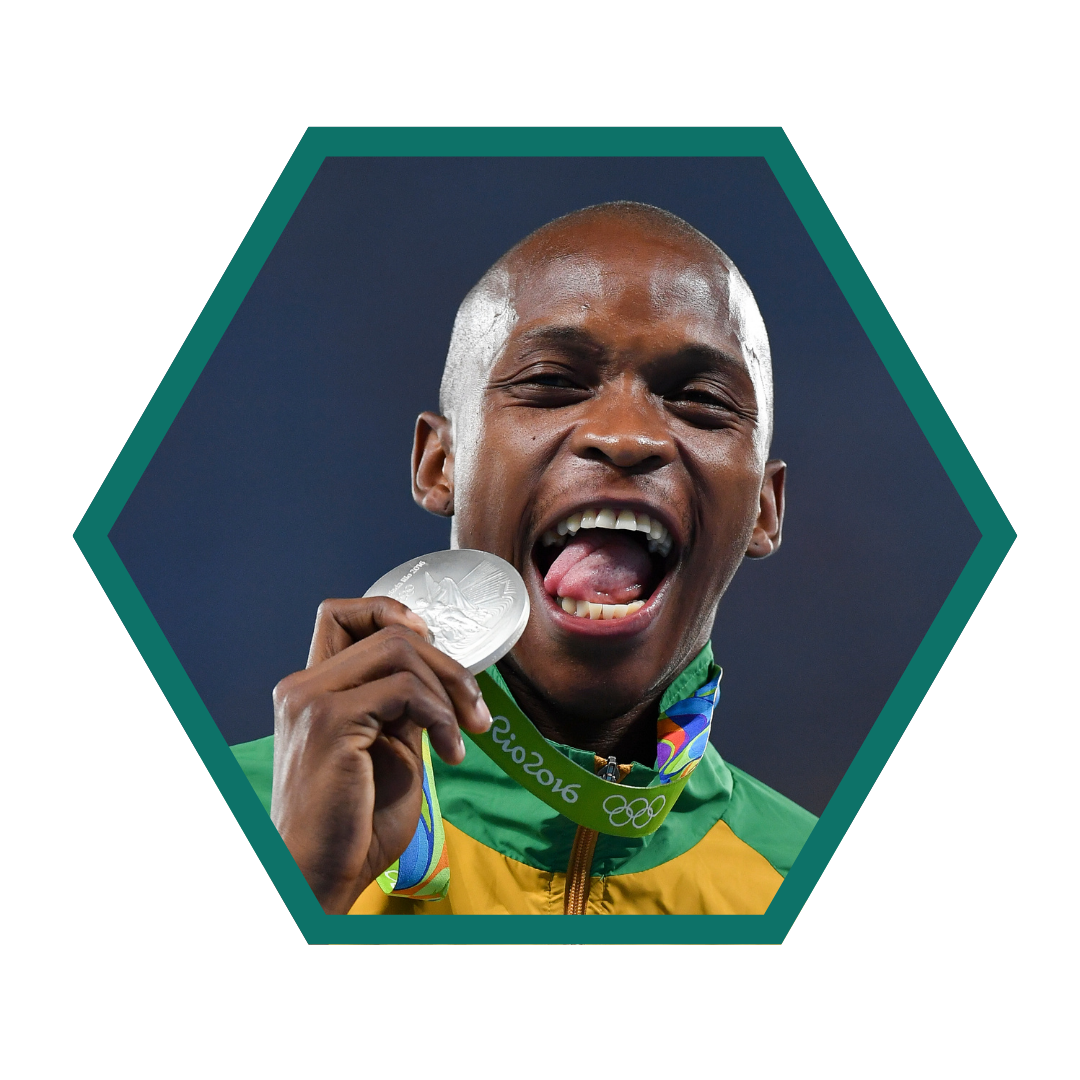
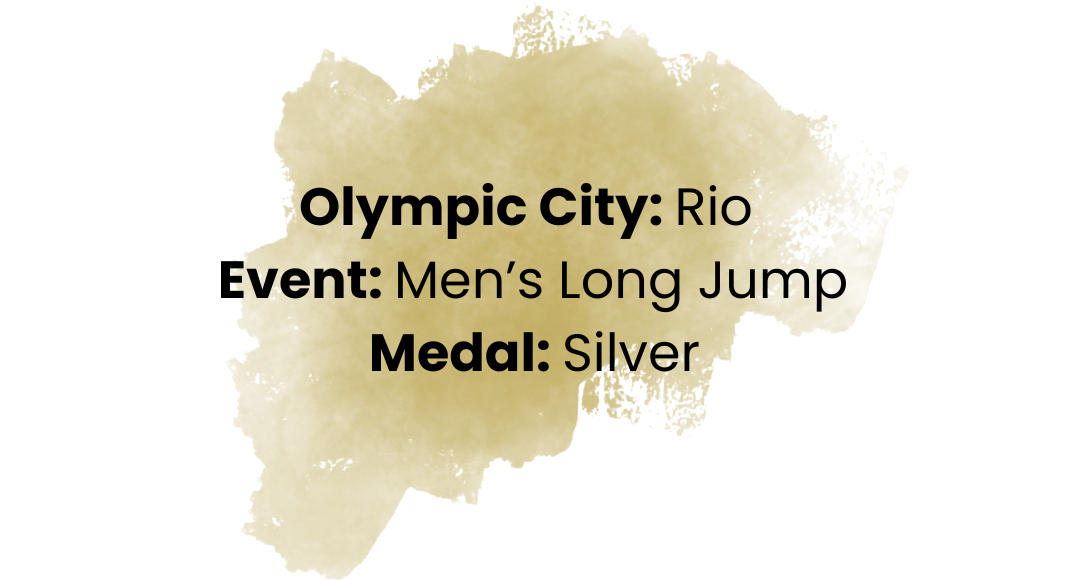
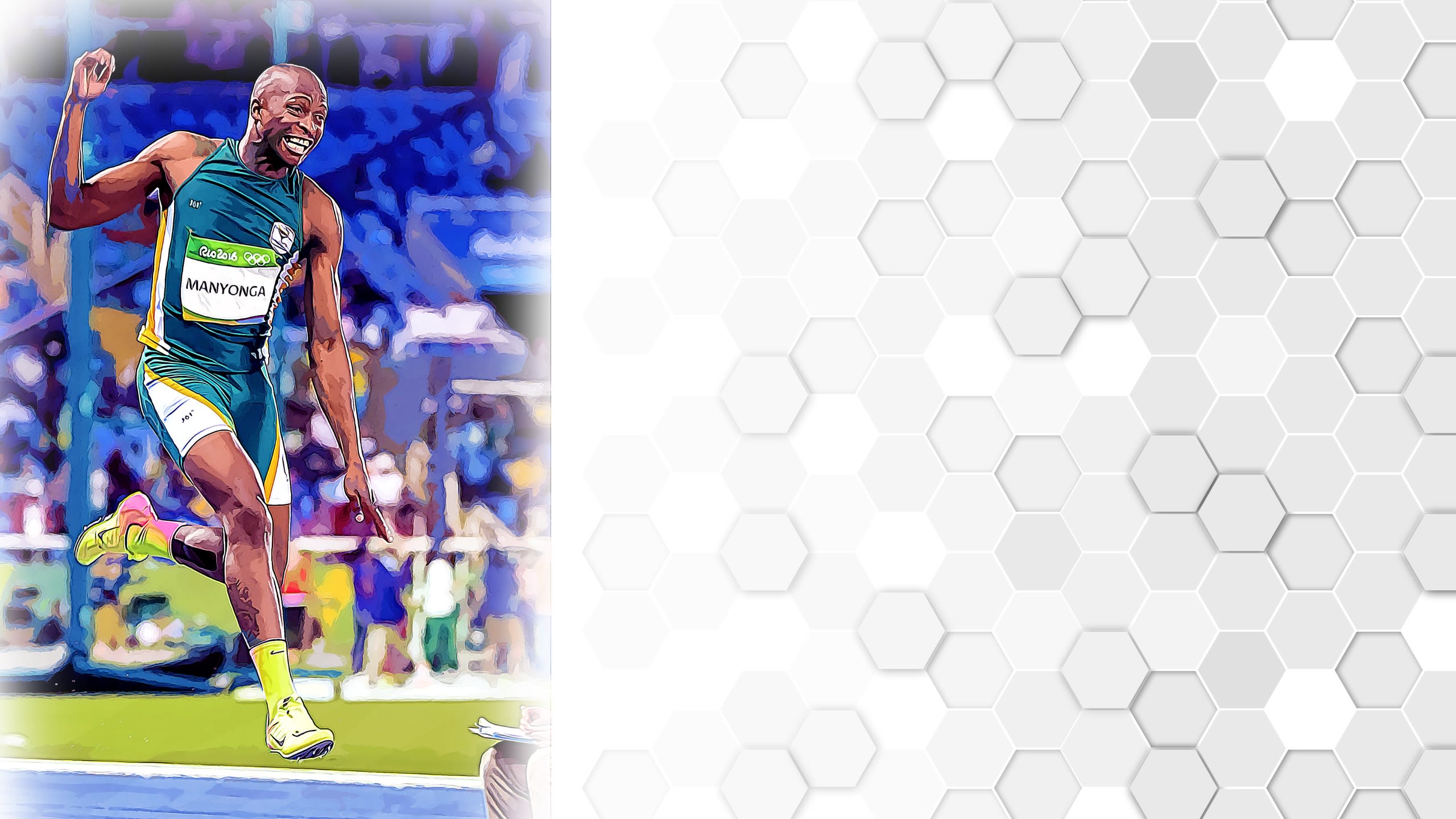
In a Games in which two other SA track and field athletes won their events, Manyonga’s silver didn’t exactly glitter the way gold would. But given the addiction hell he had gone through just to be in Rio, the achievement was inspirational to anyone who had lost their way in life. To demonstrate his commitment, Manyonga – who had suffered with a crystal meth addiction and had been banned earlier in his career – was living as an in-patient in a drug rehabilitation centre before his 8.37m leap over his demons.

2020
Tatjana Schoenmaker (Gold, 200m Breaststroke)
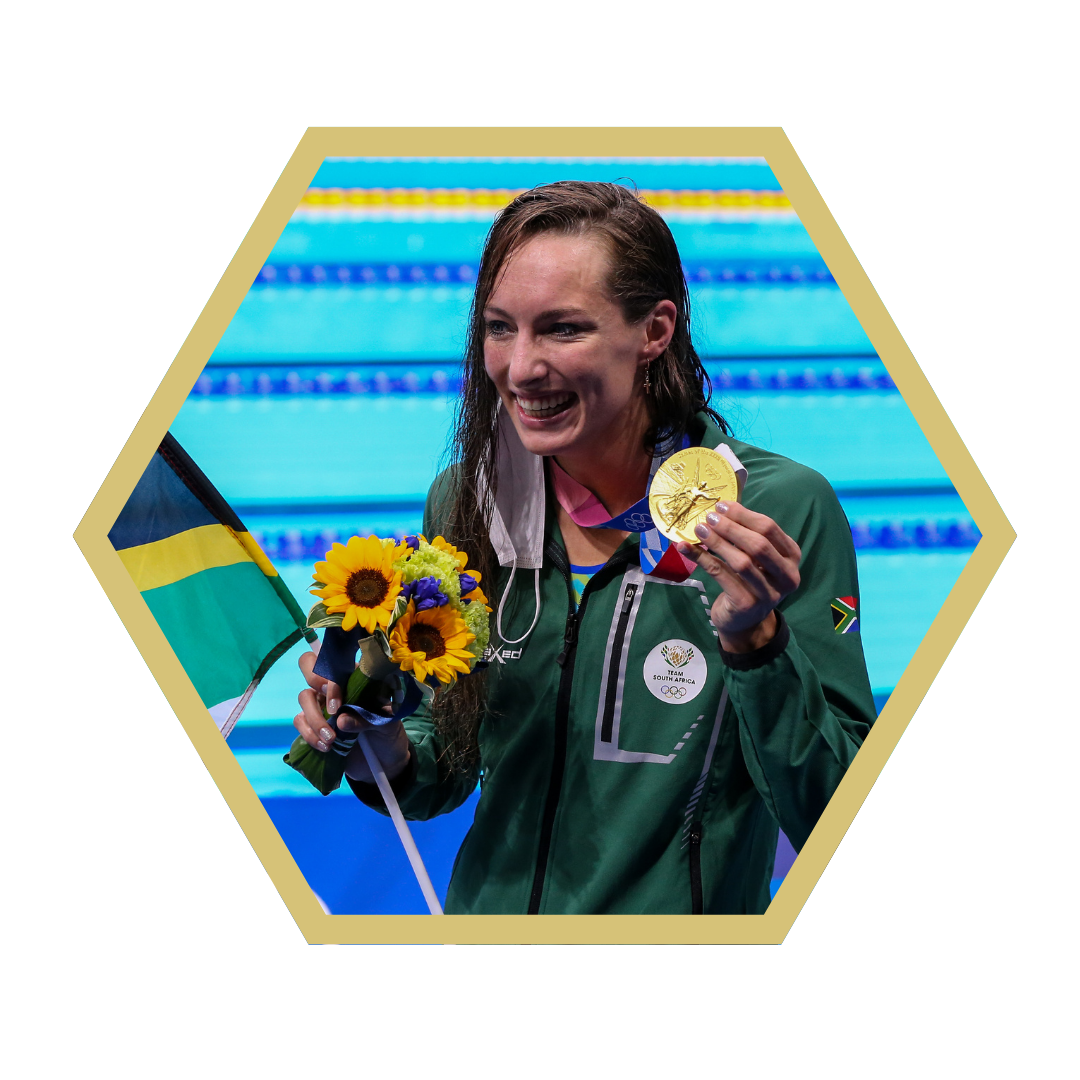
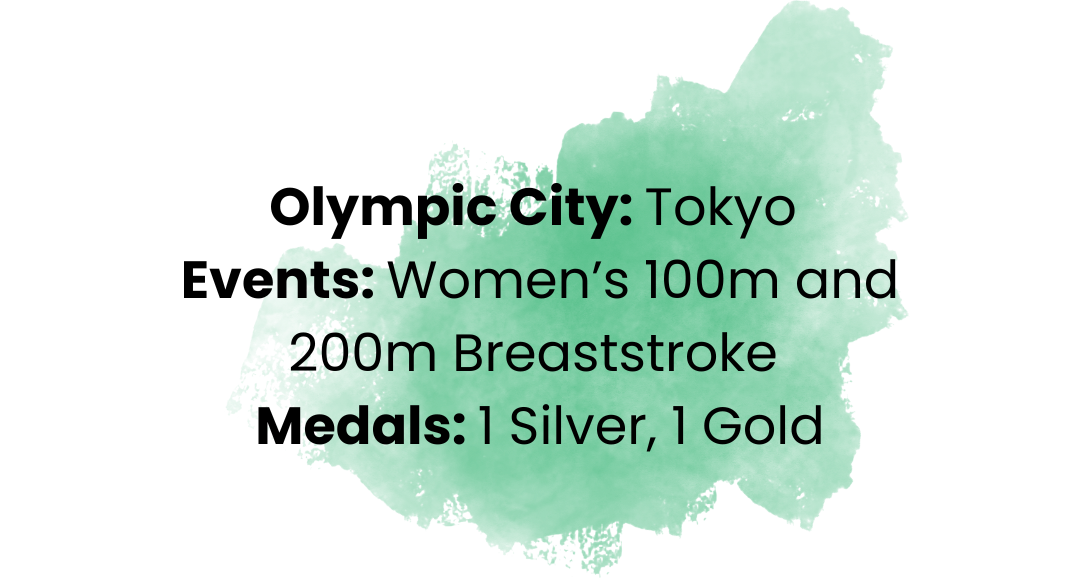
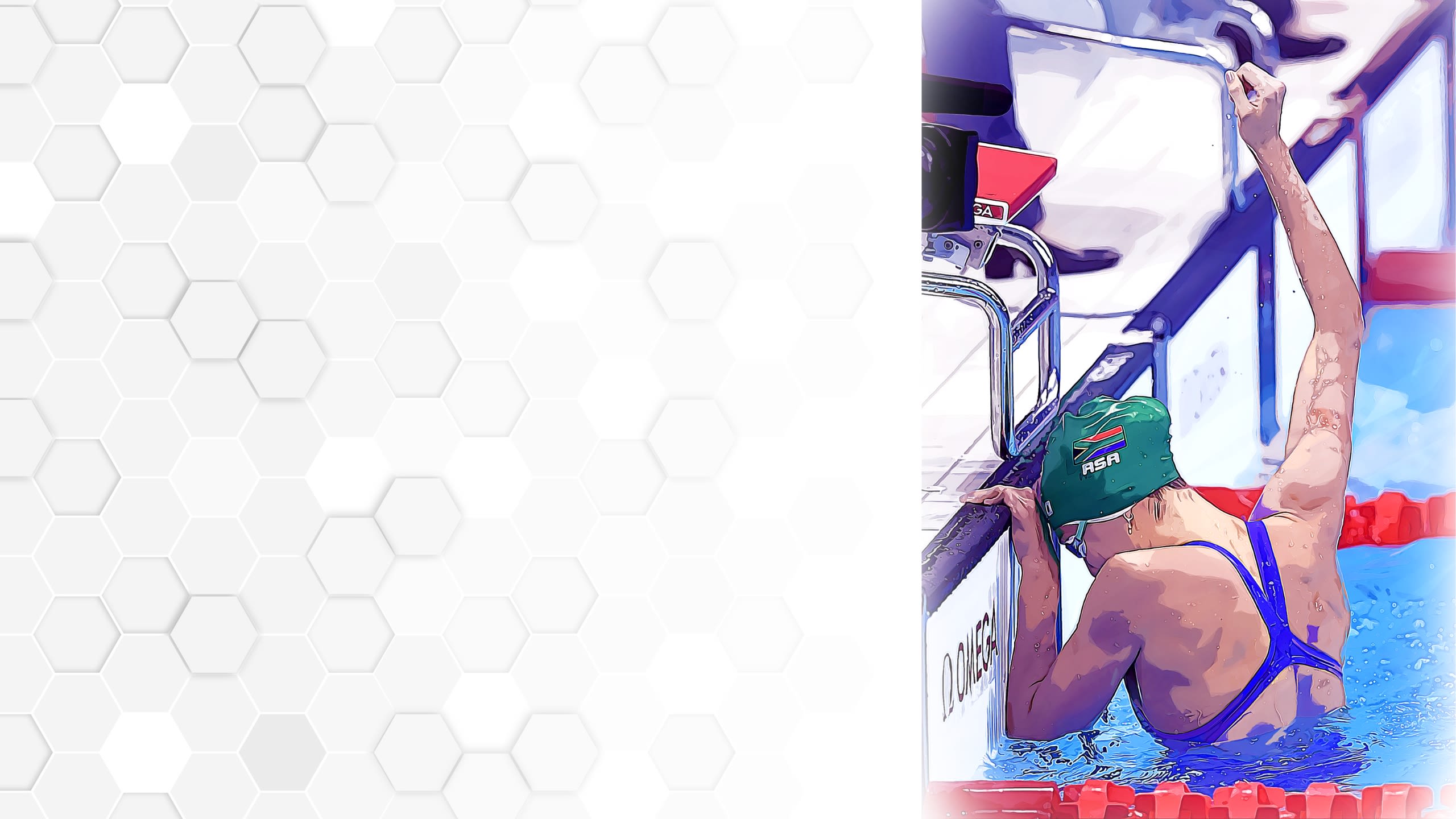
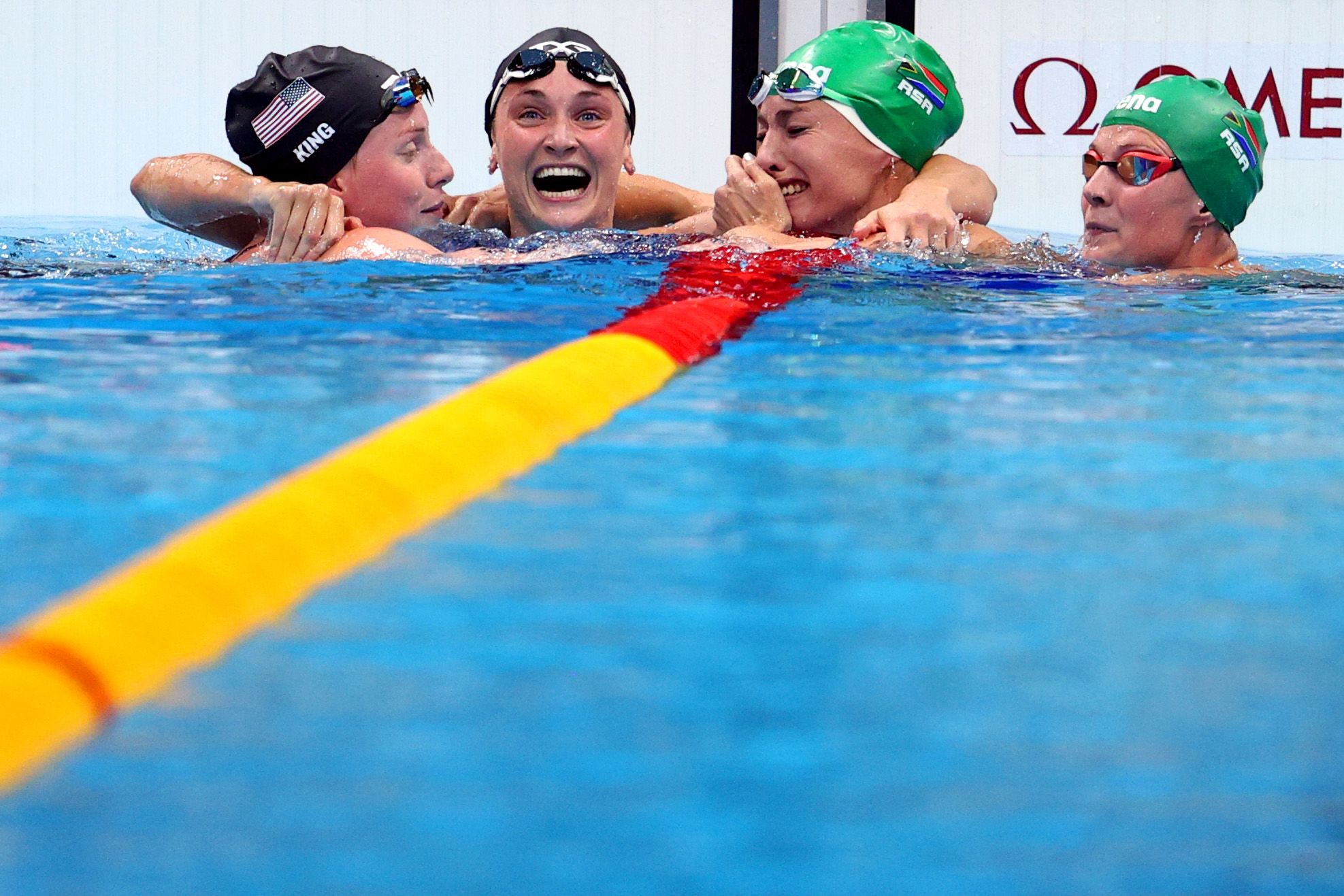
No South African shone brighter than Tatjana Schoenmaker in 2021 as she dominated the Tokyo Aquatics Centre on her Olympic debut. Leading up to the Tokyo Games, Schoenmaker (now Smith) was already a double Commonwealth Games gold medalist in breaststroke but still needed to establish her prowess at the Covid-affected Olympic Games. Schoenmaker exceeded all expectations by becoming the first female swimmer to win an Olympic medal since Heyns in 2000, securing a silver in the 100m breaststroke. Days later, Schoenmaker's crowning moment came shortly thereafter when she dominated the 200m breaststroke, her speciality event. Schoenmaker set a new world record with a time of 2:18.95, clinching gold and becoming South Africa's sole champion of the games, as well as a national icon.

Fun Facts
Your support affords us the time and resources to bring you the best Olympic coverage in South Africa. Stay on top of the game and become a News24 subscriber today.
Design and production: Sharlene Rood & Lynn Butler
Words: Lynn Butler & Simnikiwe Xabanisa
News24 Sport Editor: Lloyd Burnard
Image credits:
Header image: Beata Zawrzel/NurPhoto; Shaun Botterill/Getty Images; Anton Geyser/Gallo Images; Maja Hitij/Getty Images; Gaspafotos/MB Media/Getty Images; Lintao Zhang/Getty Images; Al Bello/Getty Images; Canva/Alex Gontar
Patrick Smith/Getty Images; Alfonso Nqunjana/News24; Bertram Malgas/News24; Maddie Meyer/Getty Images; Darren Stewart/Gallo Images; Julian Finney/Getty Images; Warren Little/Getty Images; Ezra Shaw/Getty Images; Row SA/Facebook (World Rowing); David Van Der Sandt/Gallo Images; Anton Geyser/Gallo Images; Shaun Botterill/Getty Images; bradley.nkoana/Instagram; Roger Sedres/Gallo Images; Tertius Pickard/Gallo Images; Tony Duffy/Allsport/Getty Images; Michael Steele/Getty Images; Adam Pretty/Getty Images; Mike Hewitt/Allsport/Getty Images; AFP PHOTO/Pool/Damien Meyer; Ross Kinnaird/Getty Images; Clive Rose/Getty Images; olympics.com; David Madison/Getty Images; Gary M Prior/Allsport; Mike Powell /Allsport; Michael Steele /Allsport; Jamie Squire/Allsport; Nick Wilson /Allsport; Daniel Berehulak/Getty Images for FINA; Harry How/Getty Images; Mark Dadswell/Getty Images; Jeff Gross/Getty Images; Jamie Squire/Getty Images; Wessel Oosthuizen/Gallo Images; Kaz Photography/Getty Images;
 Built with Shorthand