



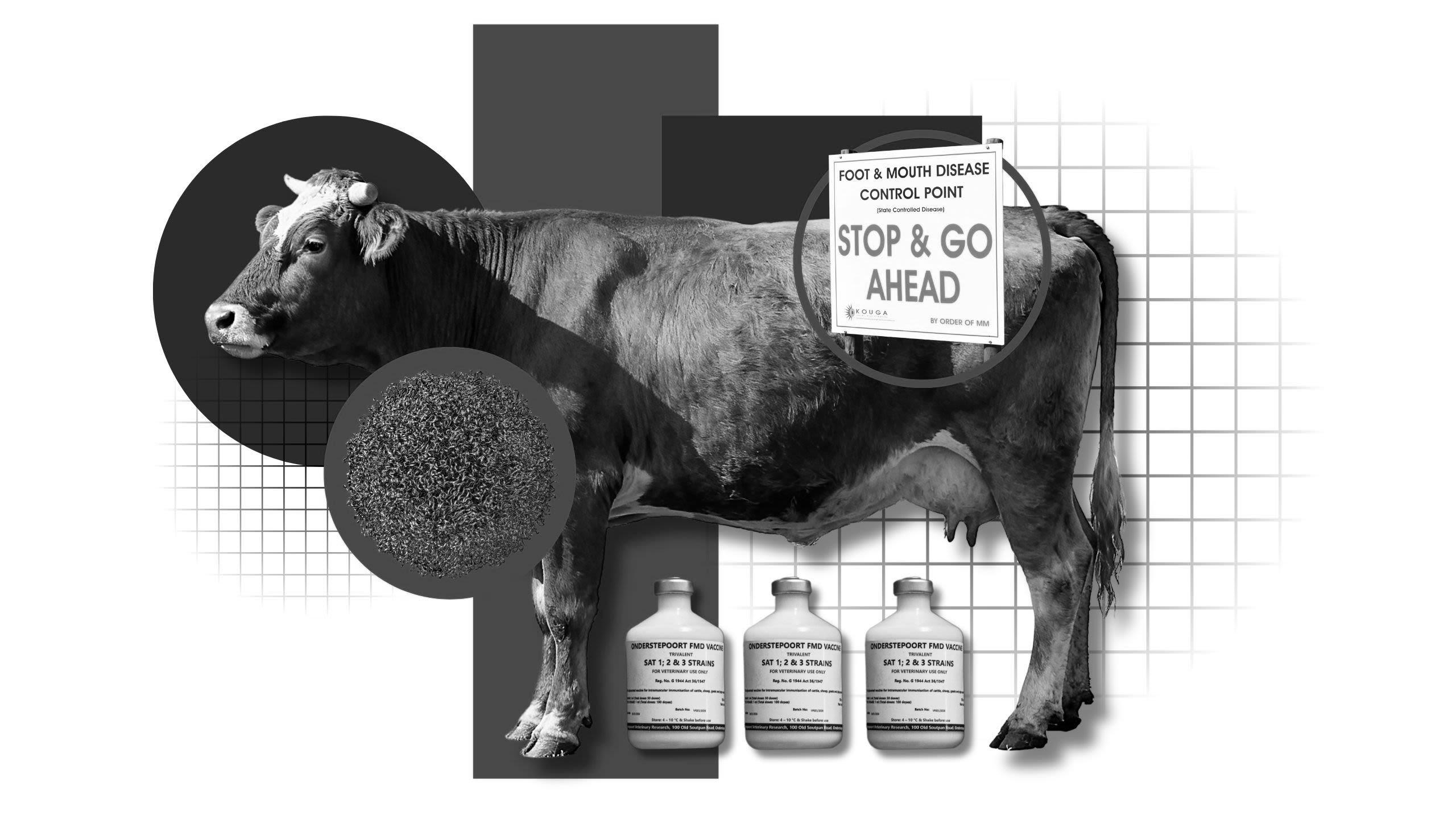

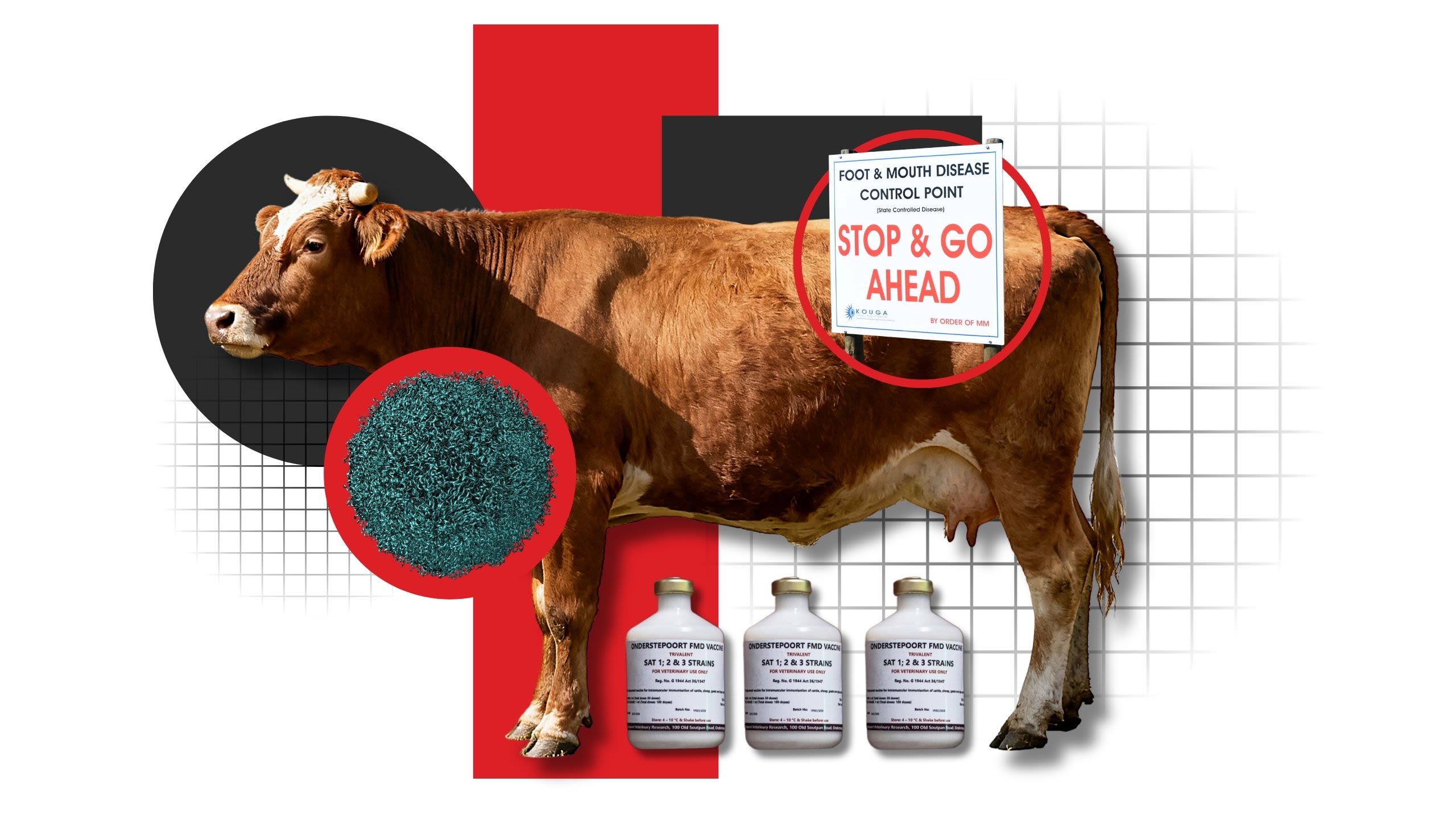
Foot-and-mouth disease (FMD) doesn’t just stalk cattle, it stalks livelihoods, prices, politics and public trust.
News24 travelled to farms where herds and hopes have been wiped out to get a first-hand look at the devastation and anger. We also collated information and feedback from scientists, experts and politicians on its causes, its history, and the attempt to fight the outbreak.
We interrogated the myths muddying the vaccine debate, and unpack how the vaccine rollout will work, what the outbreak means for the meat on your table, and question who must answer for the failures that allowed the disease to surge.
This is the anatomy of SA’s FMD crisis.





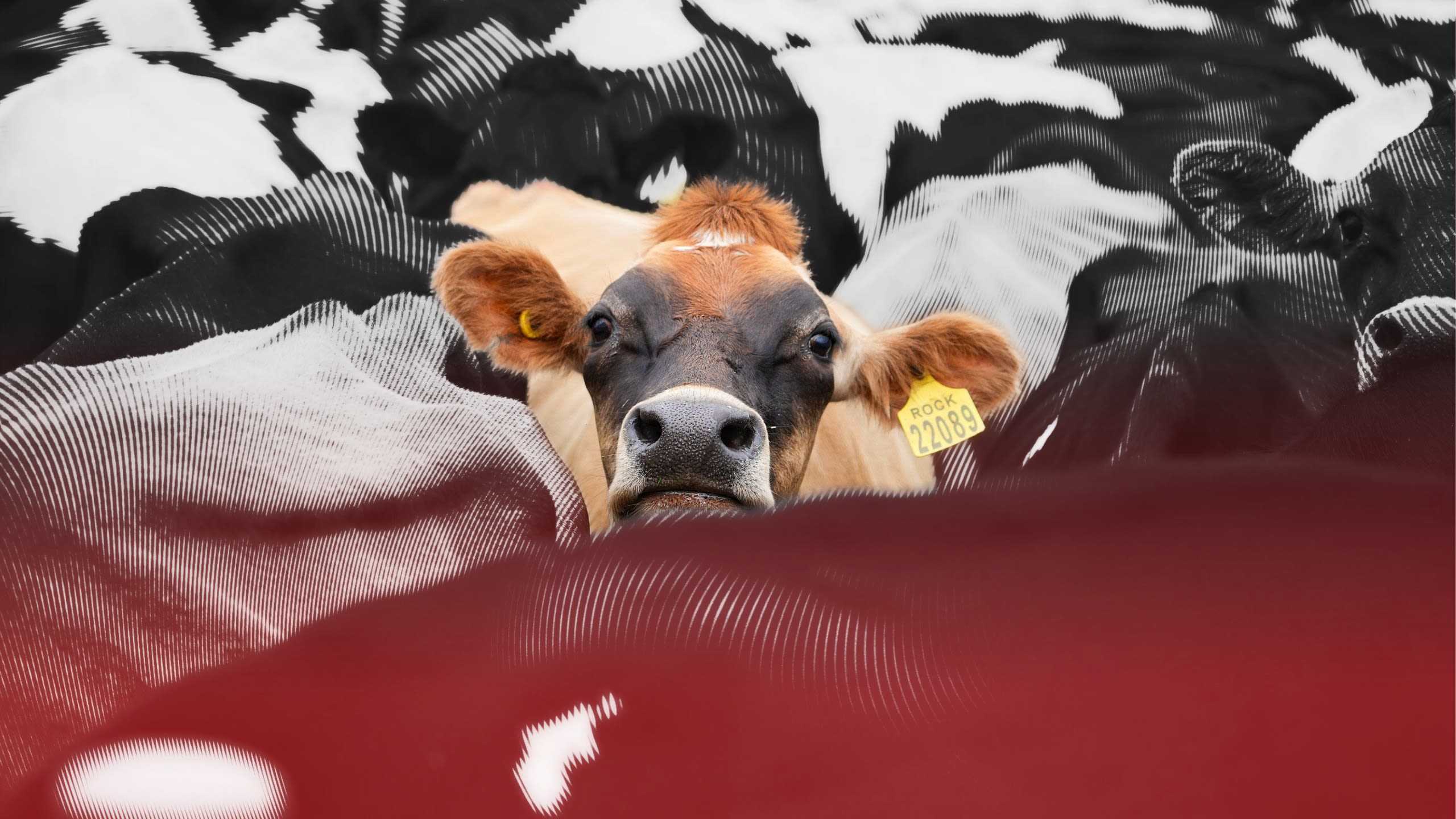
Inside the institutional collapse that killed SA’s FMD defence
This crisis was not sudden – it has been years in the making. Government officials and industry leaders were repeatedly warned that poor decision-making, inadequate enforcement, and lack of institutional coordination would eventually culminate in a major disaster. These warnings went unheeded. The question now is: who is really to blame here? asks Professor Johann Kirsten with the Bureau for Economic Research at Stellenbosch University.
Why the fuss?
South Africa's FMD crisis stems from two decades of deteriorating control systems, including poorly maintained border fences, inadequate enforcement of livestock movement regulations, lack of local vaccine production since 2006, allowing this highly contagious virus to spread beyond its designated control zones, writes Melvyn Quan, associate professor at the University of Pretoria in the Department of Veterinary Tropical Diseases.

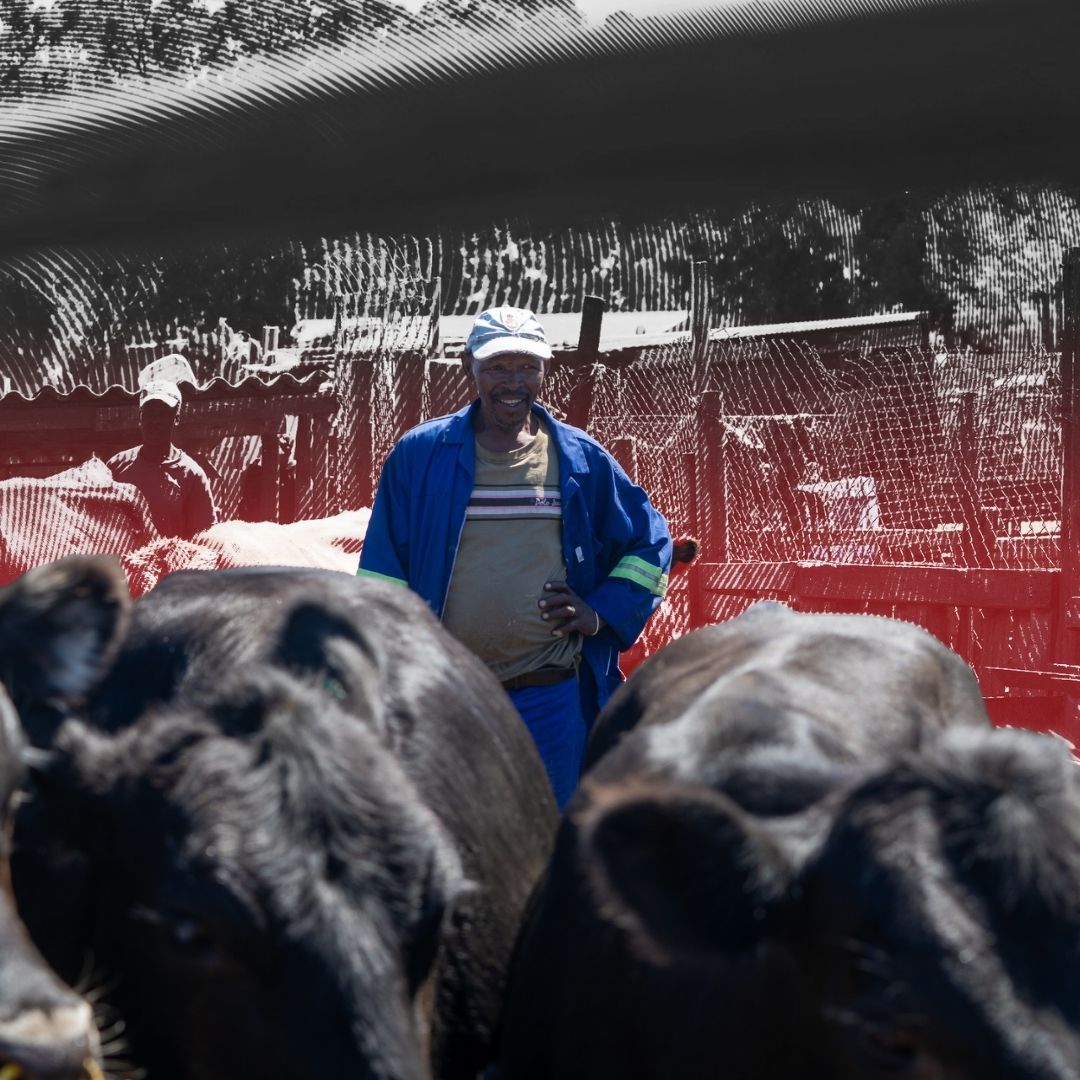
Aerosols, saliva and surfaces: How the disease spreads, and the role humans play
“Humans are an extremely important vector. We drive around in trucks, and the infected urine and faeces can get on the wheels and be transported between farms. The small droplets exhaled by infected animals can stick to your clothes for a couple of days, depending on the conditions, and they can be carried on your shoes,” says Dr Jacques van Rooyen from the University of the Free State’s Centre for Sustainable Agriculture and Rural Development.
In addition, humans who have been in contact with an infected animal can carry the virus in their airways for up to three days without becoming infected themselves and can transmit it to susceptible animals.

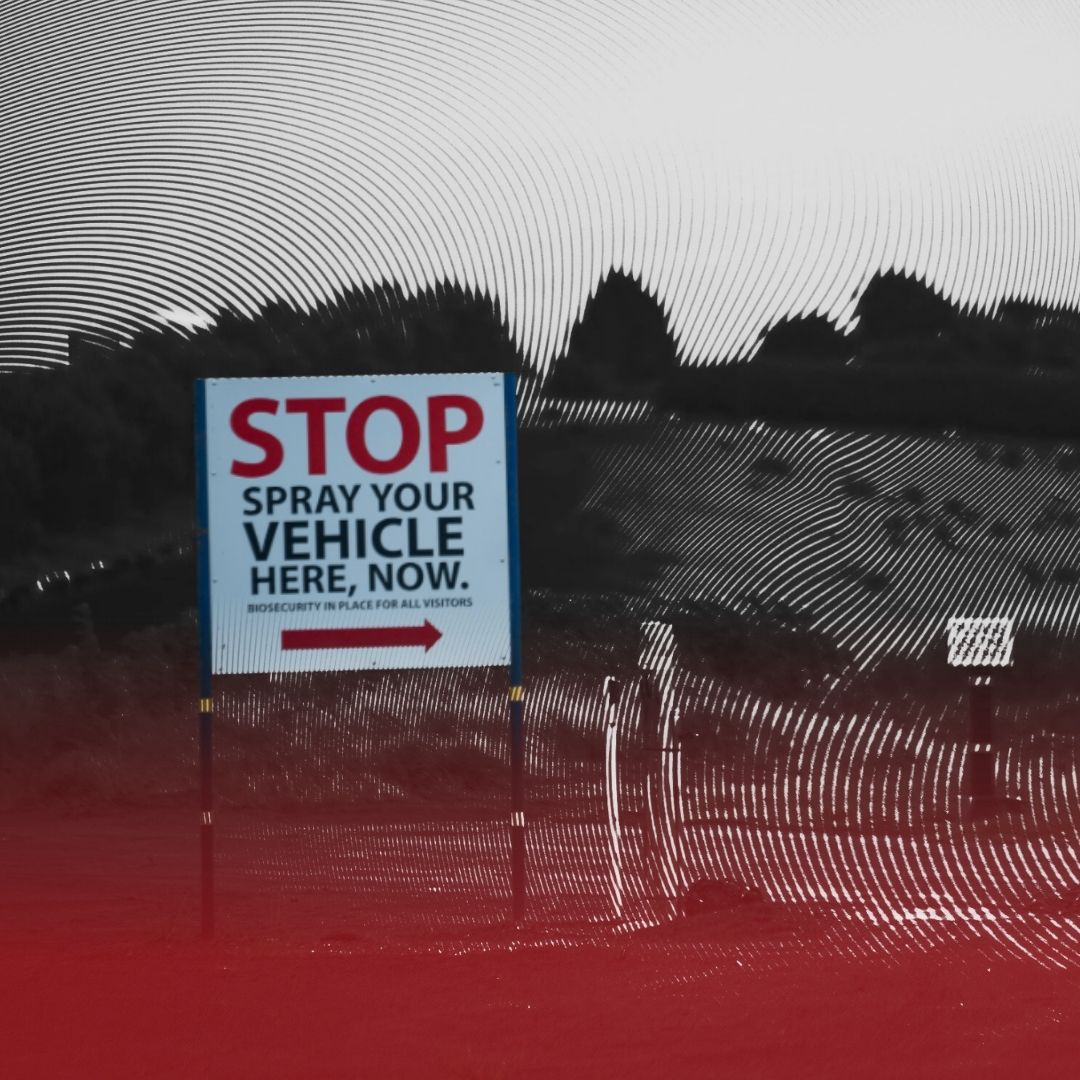
John Steenhuisen | From outbreak management to risk control
Our livestock sector sits at the intersection of wildlife ecology, communal farming systems and modern export agriculture; in such an environment, no single tool can eliminate disease, but a coordinated set of tools can make it manageable. The goal here is not the absence of risk, but rather the credible control of risk which will ultimately have the effect of building the sector’s resilience and restoring predictability, writes Agriculture Minister John Steenhuisen.

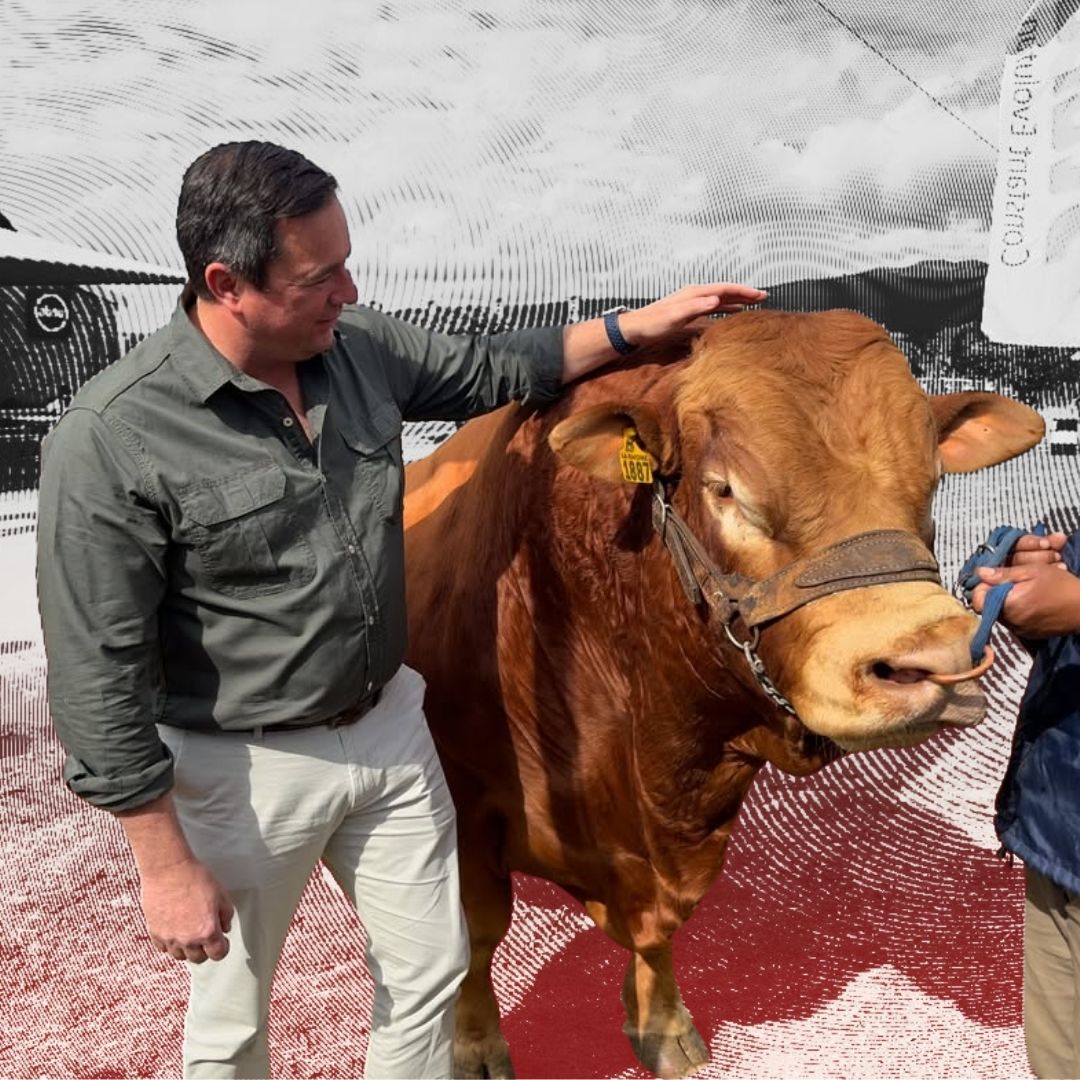

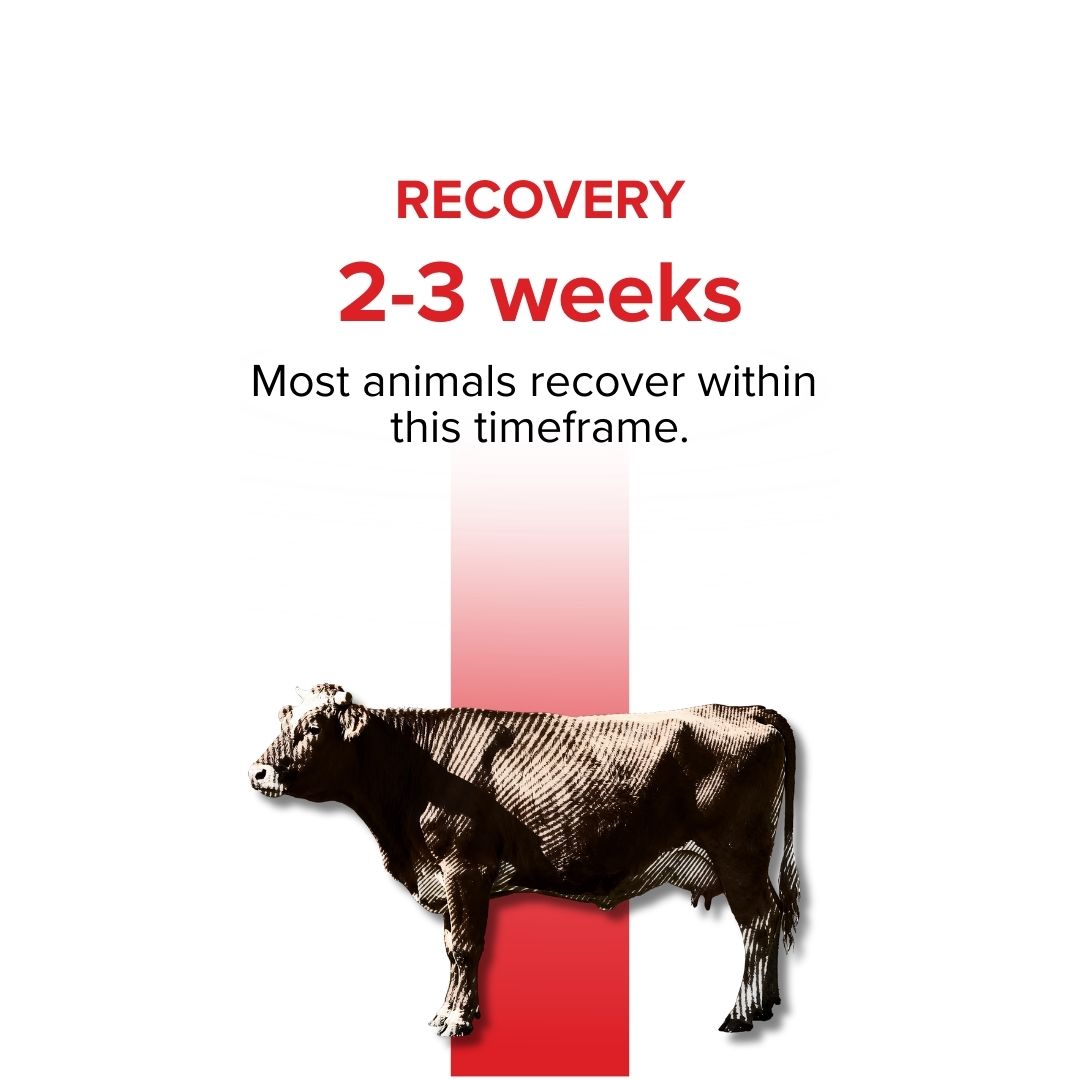
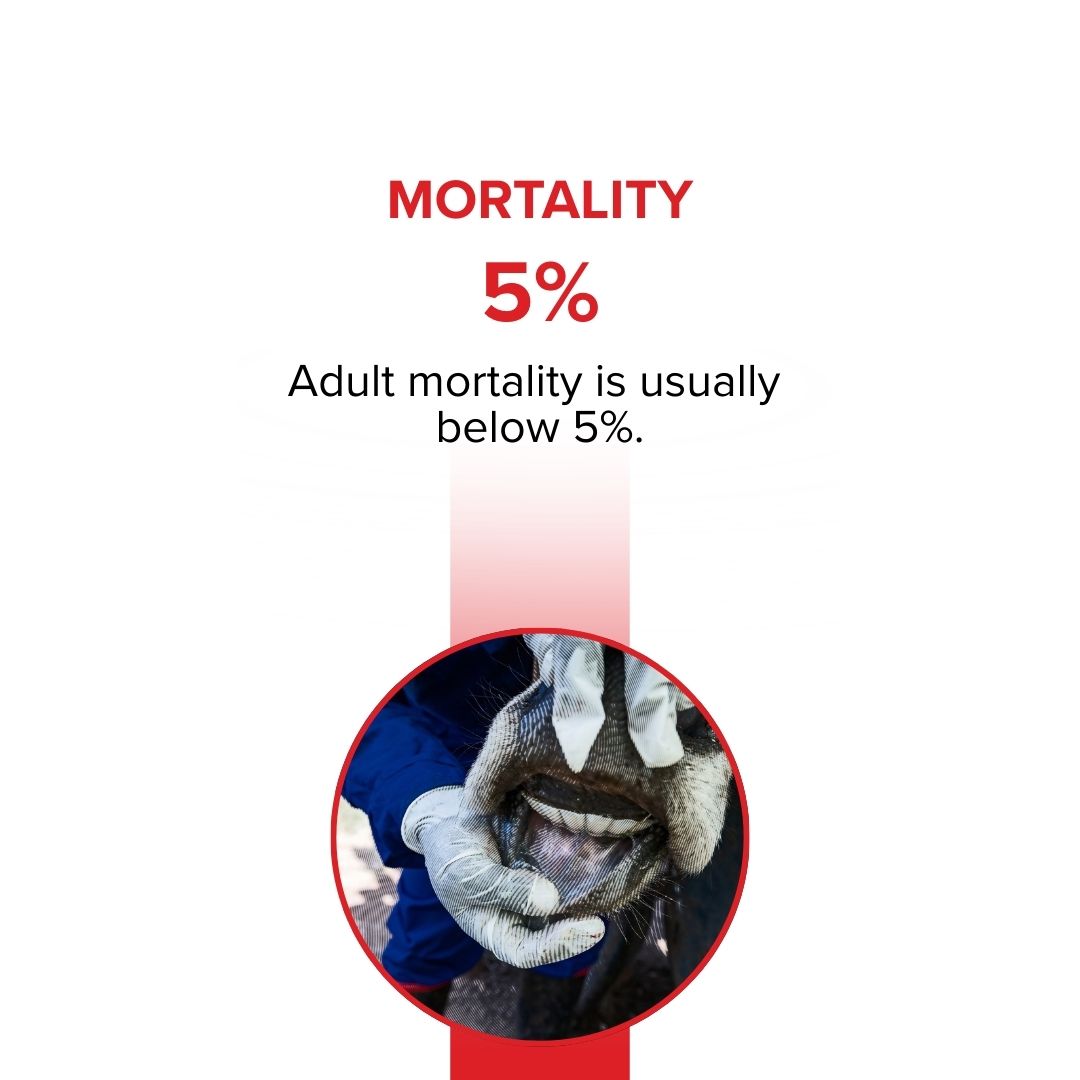
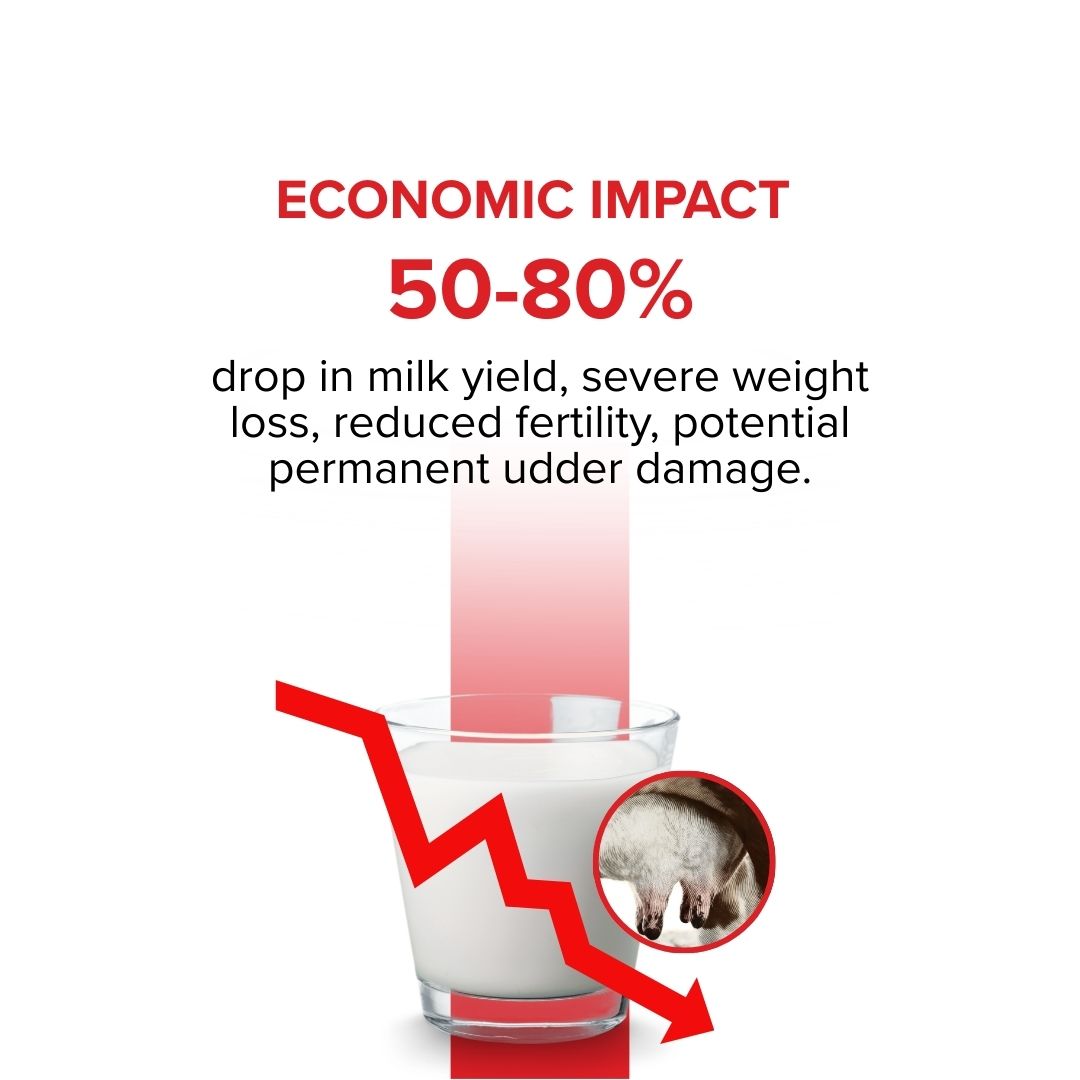

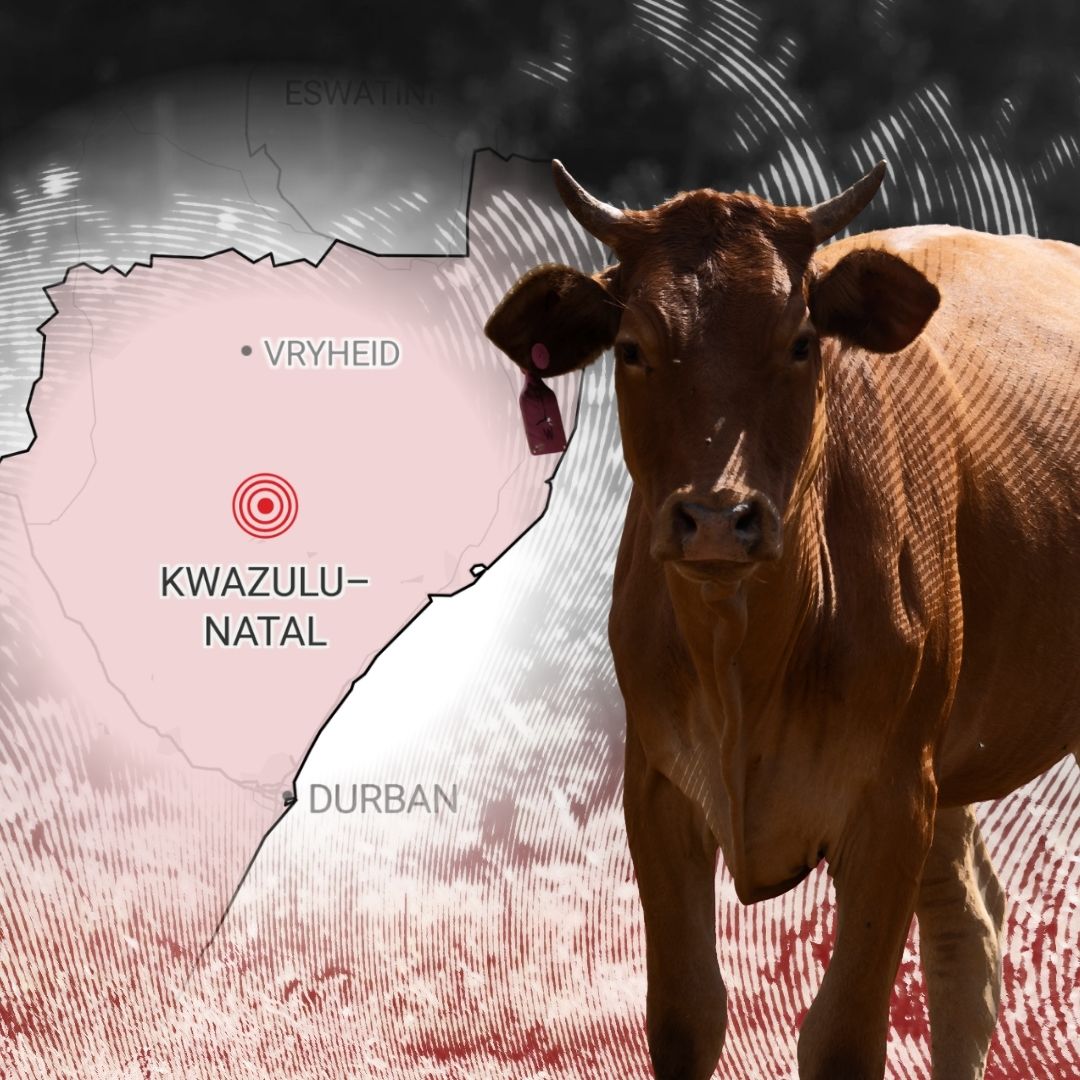
KZN’s outbreak might be worse than feared
As infections disrupt livestock sales, reduce production and strain farm incomes, concerns are mounting that the full economic impact – including rising food prices – has yet to be felt.
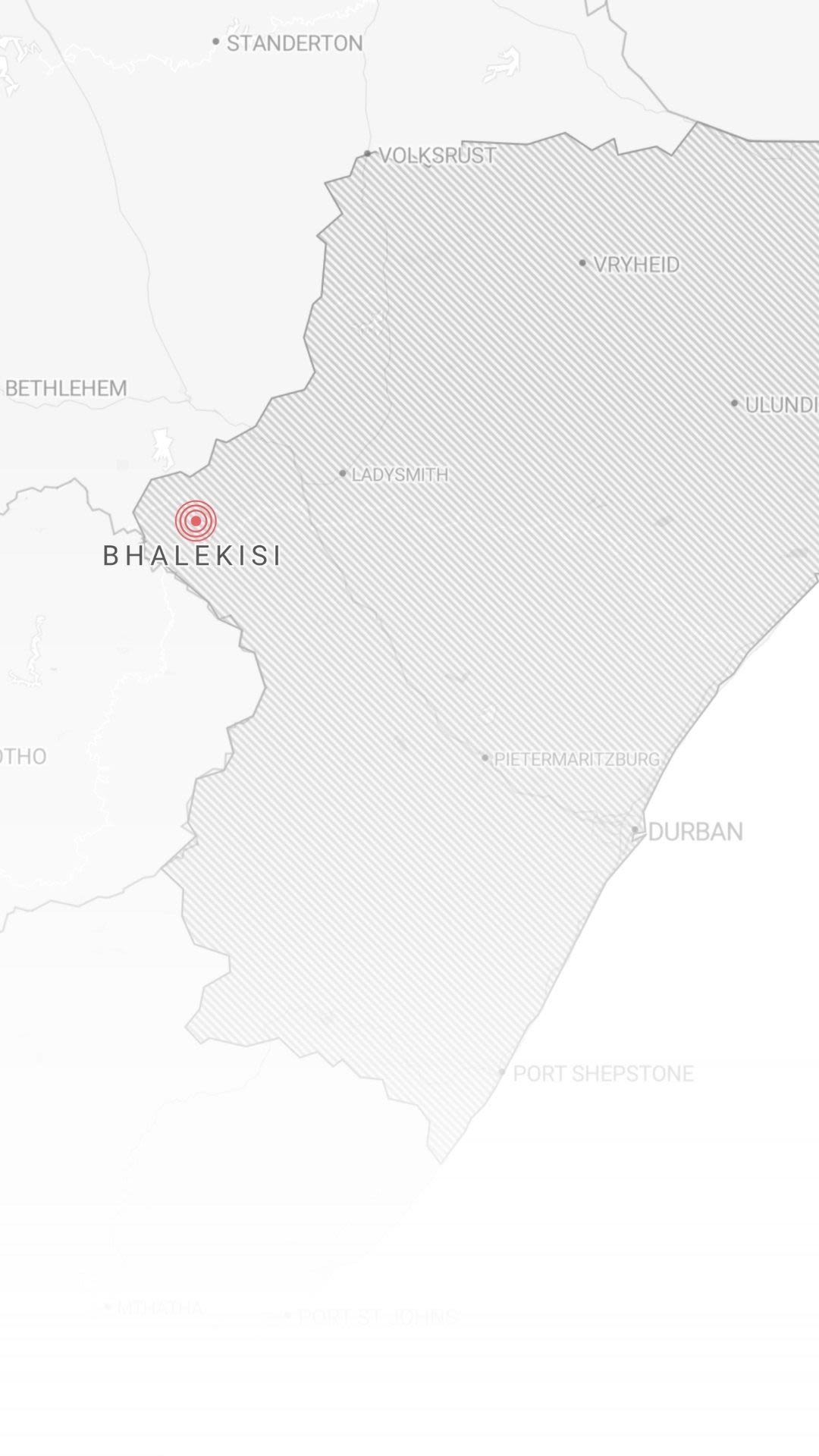
Official outbreak data compiled by veterinary authorities and independent sources show that KwaZulu‑Natal remains one of the hardest‑hit provinces, with dozens of open outbreaks still unresolved.

From brand to ban: FMD shuts the sale gate
Animal auctioneer Jan du Bruyn said farmers were growing increasingly desperate as strict regulations prevent them from selling branded cattle, effectively wiping out their ability to earn a living.

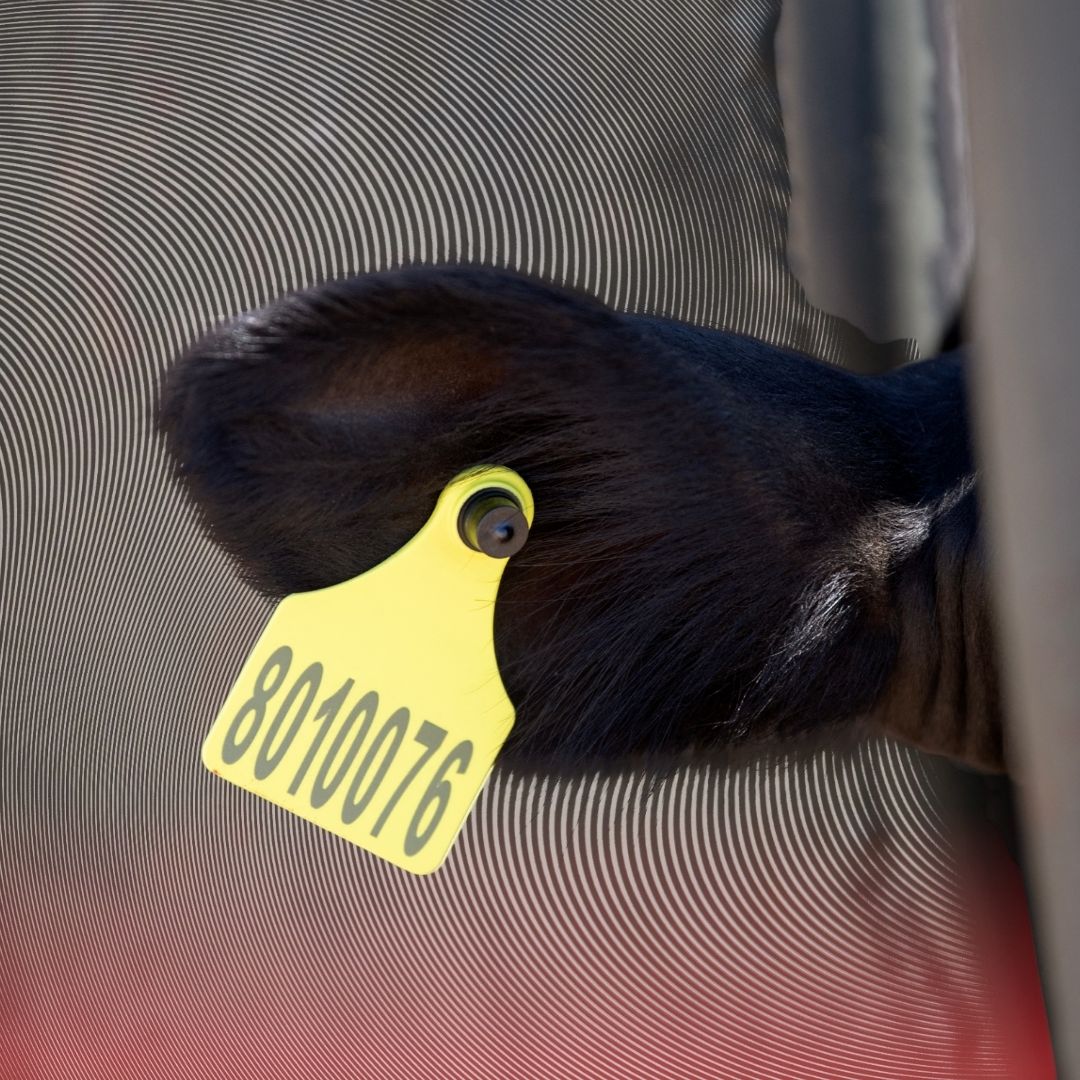
“Farmers are frustrated and desperate. Their hands are tied. They can’t do anything. They must wait and watch while their livestock dissipate,” he said.
Animal auctioneer Jan du Bruyn
Consumers spared major price shock, but farmers suffer
Although the beef and dairy sectors face billions in losses as FMD continues to spread across SA, consumers are not expected to shoulder a significant price hike as a result. Instead, agricultural experts expect ordinary inflation as supply-demand dynamics ebb and flow around important trading periods when demand for meat accelerates, such as Easter and the festive period. That is not to say that the industries are not facing a severe crisis however, with estimates that it could take up to four years for the industries to recover economically from the FMD outbreak that has run rampant in most provinces.

Too little too late, or better late than never? Who is to blame?
While President Cyril Ramaphosa’s declaration of a national state of disaster on foot-and-mouth disease has been welcomed by some political parties, others argue the intervention may have come too late.



Rural dreams under threat
For many rural households, cattle are not counted in numbers but in wealth, school fees paid, fields ploughed, ceremonies honoured, and emergencies survived.
But as foot-and-mouth disease continues to disrupt livestock movement and kill animals in affected areas, that wealth is slipping away, replaced by financial strain, emotional distress, and cultural uncertainty.

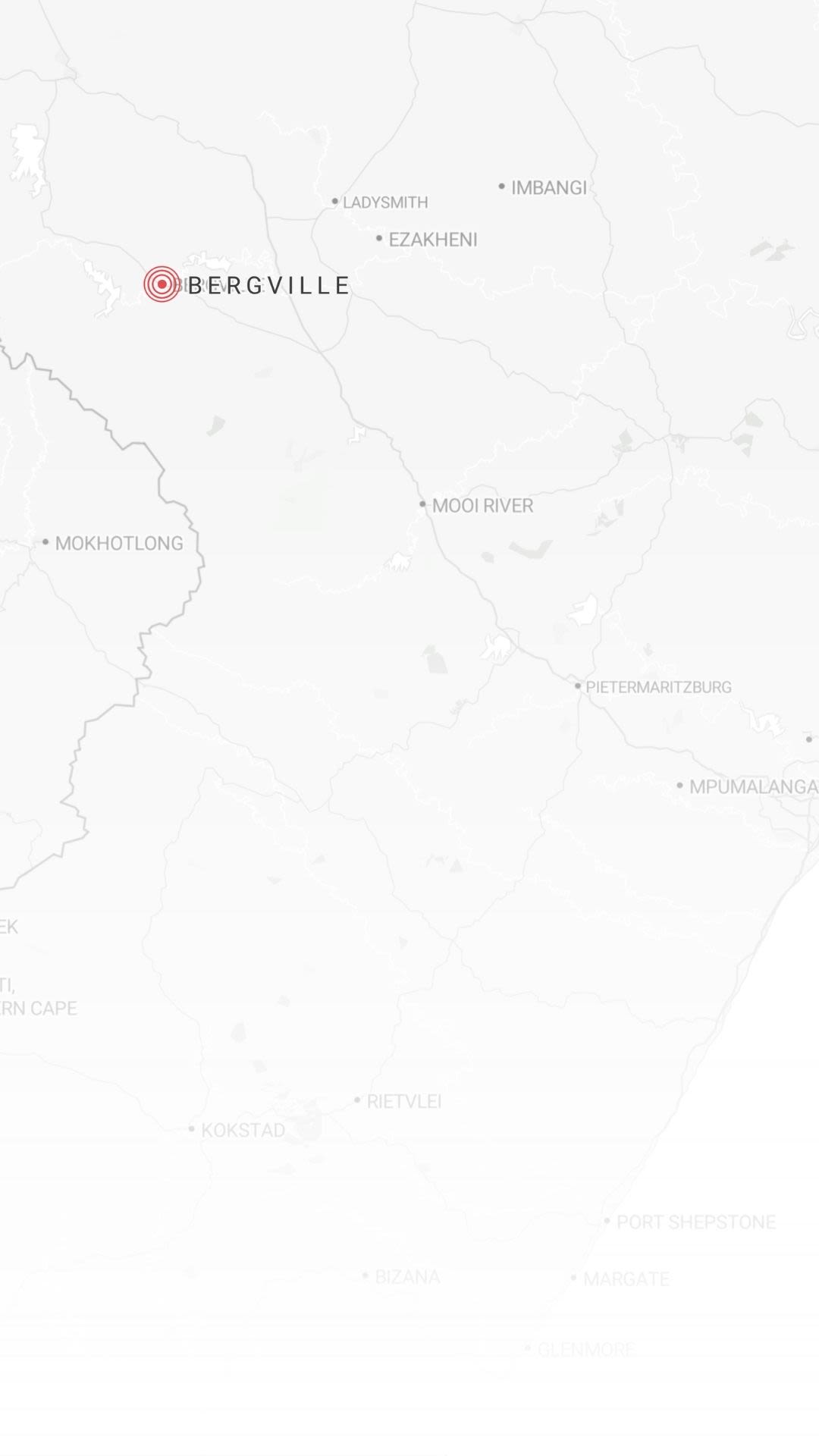
‘We had to shoot them’: KZN farmer culls 150 affected animals
In the rolling farmlands of Bergville, KwaZulu-Natal, the fate of one commercial dairy farm hangs by a thread after FMD devastated its operations, resulting in a loss of over R10 million in just four months.
Bradley Gace, a fifth-generation dairy farmer, watched in despair as the disease tore through his herd. The outbreak forced him to cull 150 of his 3 300 cattle and caused milk production to plummet, threatening the livelihoods of his 103 employees
One of the hardest parts, Gace said, was watching the animals suffer.

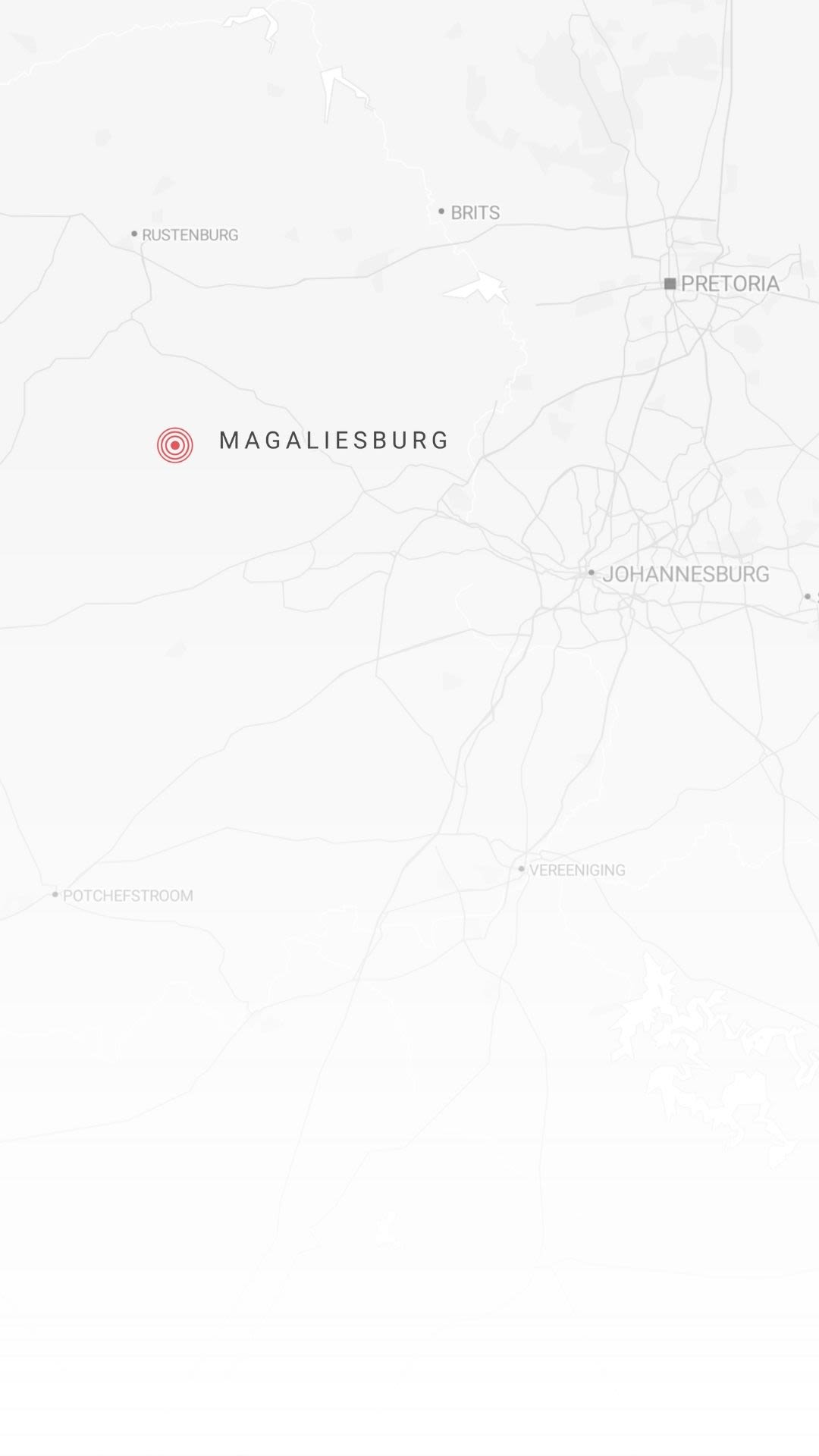
‘Pity won’t bring back cows’
The director of the large Bosparadys Dairy in the North West, Anthony Khourie, has warned that foot-and-mouth disease (FMD) is bleeding the livestock and dairy industry dry, costing farmers tens of millions of rands, killing thousands of cattle and pushing farming businesses closer to collapse.
Khourie, whose business outside Magaliesberg supplies milk to about 400 outlets across Gauteng, North West and Limpopo provinces, said the crisis is no longer just about sick animals, but about livelihoods being destroyed, businesses losing income, and workers facing unemployment.


‘We are losing everything while the government watches’
For small-scale cattle farmers like John Mahamutsa, who lost about 20 cattle to the disease, seeing the animals collapse and die is not just a financial blow, but a personal tragedy.
“We are losing everything while the government watches,” he said, tears in his eyes. “Our cows, our income, our future – it’s all disappearing before us.”

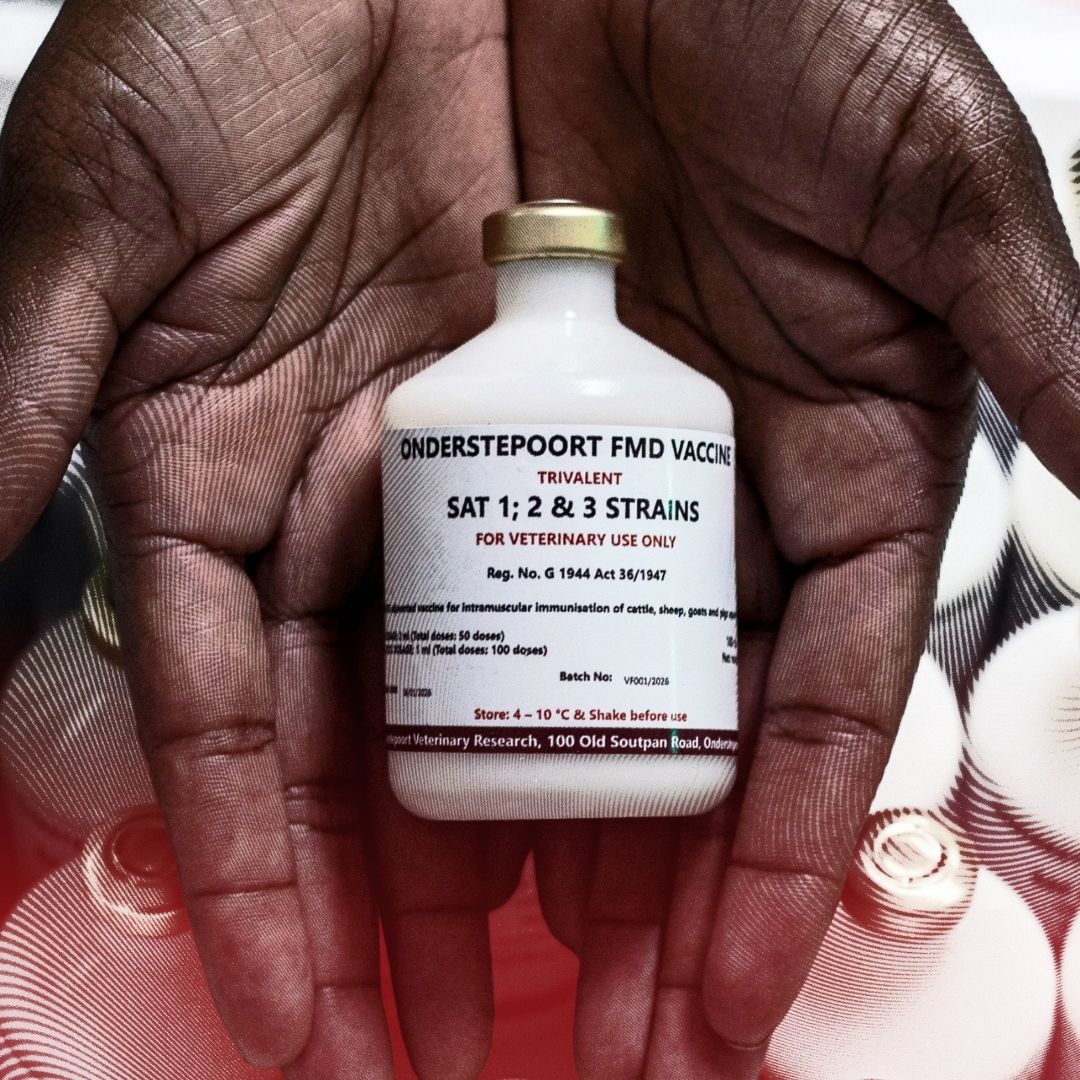
What we know about government’s foot-and-mouth disease vaccine rollout
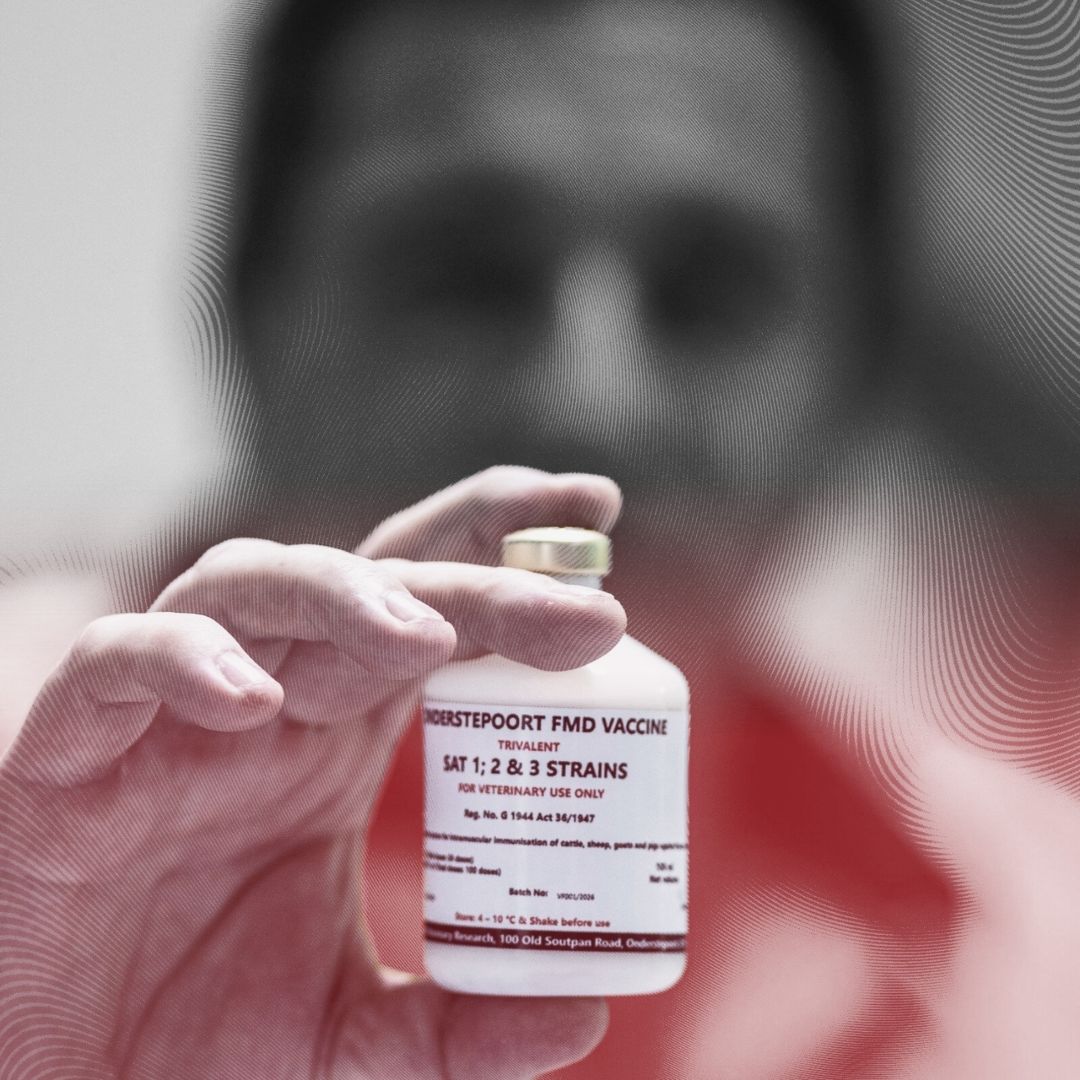
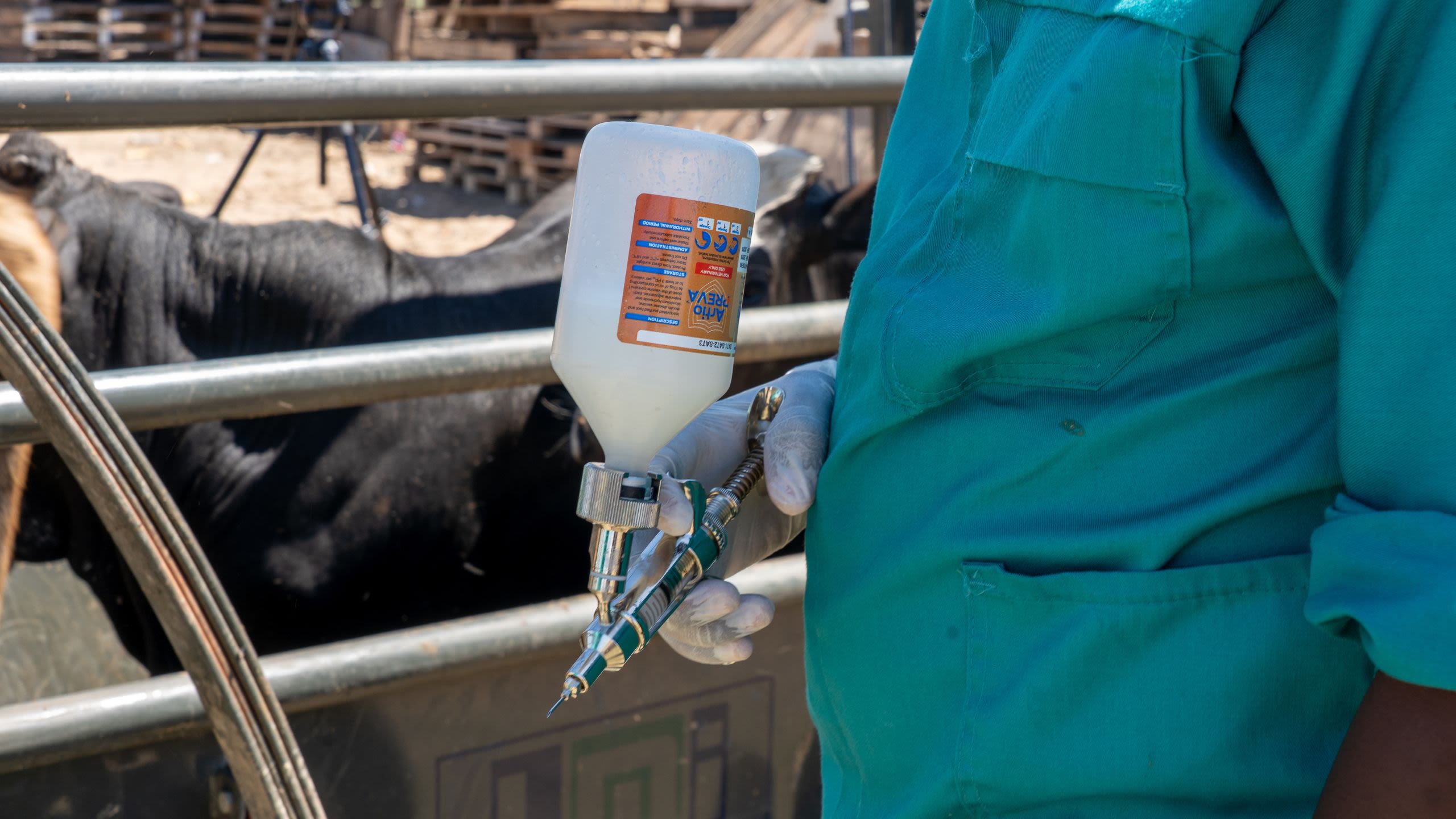
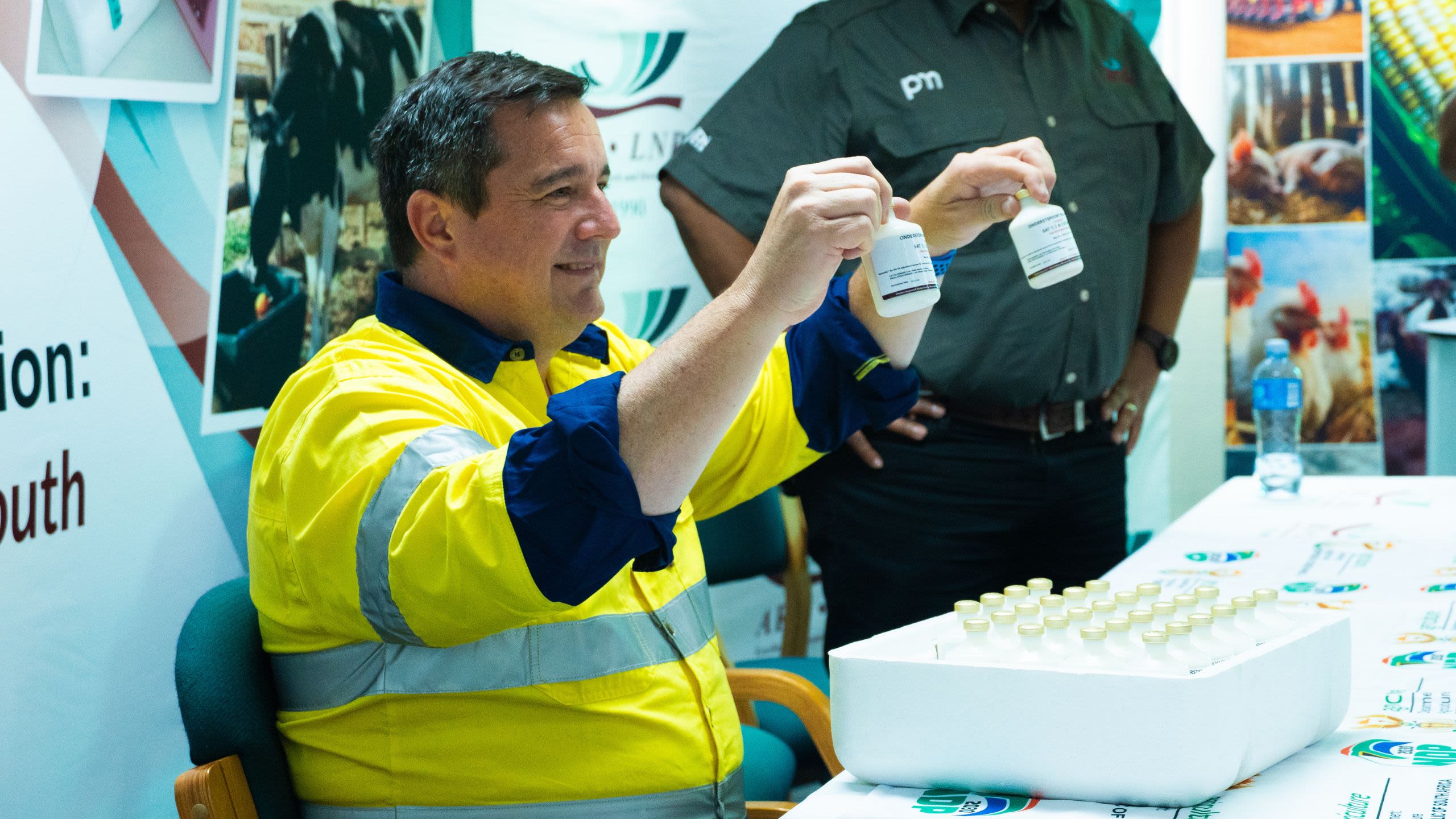
The Department of Agriculture’s vaccine rollout and how it will be done are critical to ensure that foot-and-mouth disease is brought under control, and the devastation wreaked on farmers is contained. News24 looked at the available information to find out how the vaccine rollout may work.


Covid, but for cows: How foot-and-mouth disinformation is following the pandemic playbook
There are viral voice notes claiming to reveal what the government is supposedly hiding. Home remedies presented as miracle cures. Pseudoscientific jargon delivered with absolute, straight-faced confidence in emotive videos. And, increasingly, the suggestion that authorities and veterinarians with decades of experience cannot be trusted.
If this feels like Covid-19 all over again, that is because the dynamics are almost identical. When fear is high and solutions are slow, misinformation spreads quickly. And it does more than create confusion – it actively undermines a resolution.









Rosetta Msimango/News24
Rosetta Msimango/News24
Storm Simpson/News24
Storm Simpson/News24
Yolanda Mdzeke/News24
Yolanda Mdzeke/News24
Rosetta Msimango/News24
Rosetta Msimango/News24
Storm Simpson/News24
Storm Simpson/News24
Ditiro Selepe/News24
Ditiro Selepe/News24
Sakhiseni Nxumalo/News24
Sakhiseni Nxumalo/News24
Yolanda Mdzeke/News24
Yolanda Mdzeke/News24
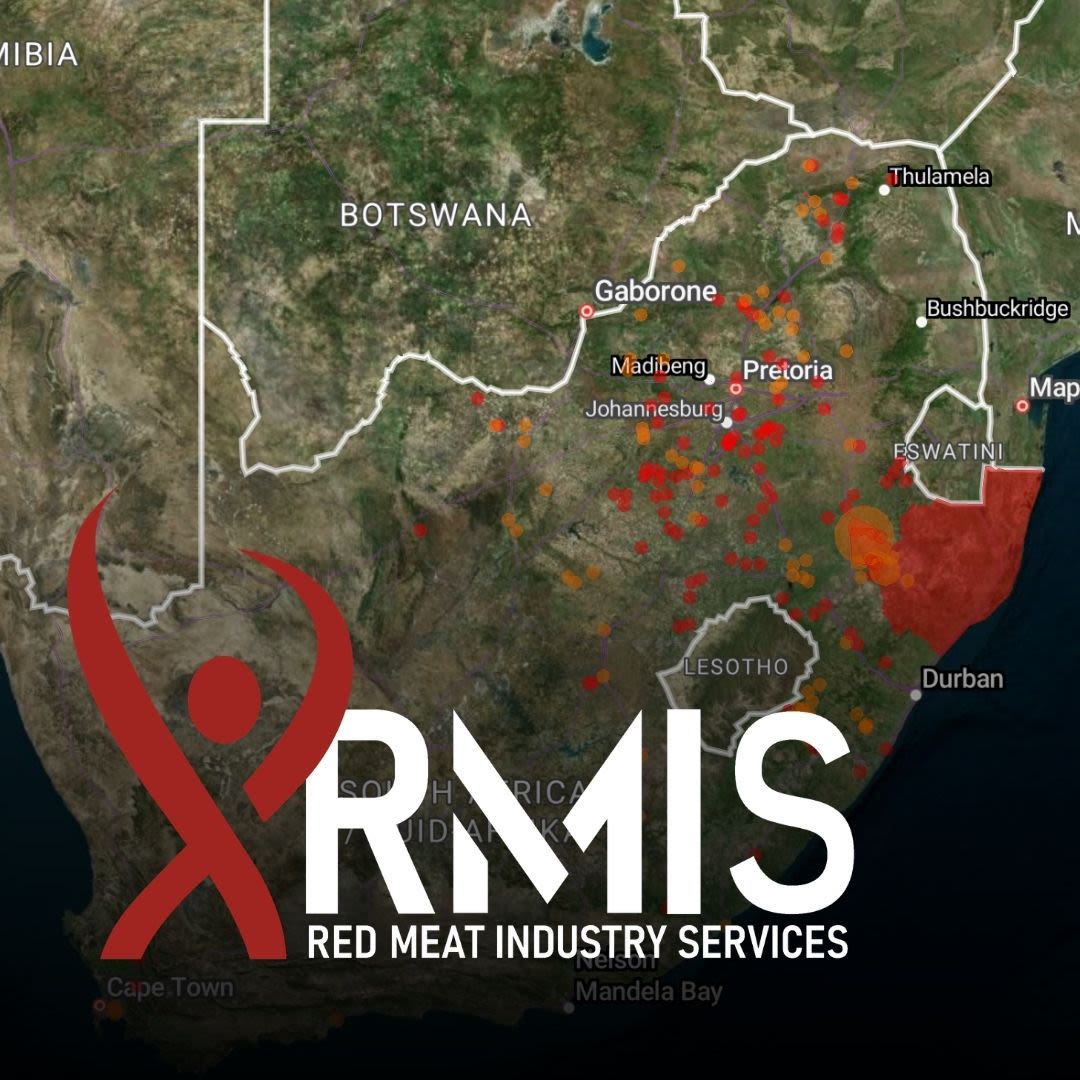
FMD Map South Africa: Live Disease Incidents
Explore the RMIS FMD map for SA. View confirmed and suspected foot-and-mouth disease cases, track updates in real time, and support livestock traceability.
By subscribing to News24, you enable us to pursue stories that can help change the trajectory of our country.


Design: Sharlene Rood
Deputy Editor | News24 and Johannesburg bureau chief: Ahmed Areff
Production editor: Hanlie Gouws
Opinions editor: Vanessa Banton
Assistant editor | Head of News: Nicki Gules
Multimedia editor: Nokuthula Manyathi
Journalists: Siyamtanda Capa; Muhammad Hussain; Nicole McCain; Sakhiseni Nxumalo; Ntwaagae Seleka; Andrew Thompson; Nick Wilson.
Multimedia journalists: Storm Simpson; Rosetta Msimango, Yolanda Mdzeke.
Additional design: Mihle Mdashe
Image credits: Sonantha/Canva; theasis/Getty Images; Per-Anders Pettersson/Getty Images; Lulama Zenzile/Die Burger/Gallo Images; OJ Koloti/Gallo Images; Rosetta Msimango/News24; Storm Simpson/News24; jsteenhuisen/Instagram; Martin Harvey/Getty Images; Billion Photos/Canva; Sir 13/Canva; pixelshot/Canva; datawrapper.de; Yolanda Mdzeke/News24; Rodger Bosch/AFP; Wavebreakmedia/iStock/Getty Images Plus; Tomertu/Getty Images; Ditiro Selepe/News24; Sakhiseni Nxumalo/News24; Red Meat Industry Services.
 Built with Shorthand