





GNU: The highs, the lows, and the in-betweens
By Bongekile Macupe
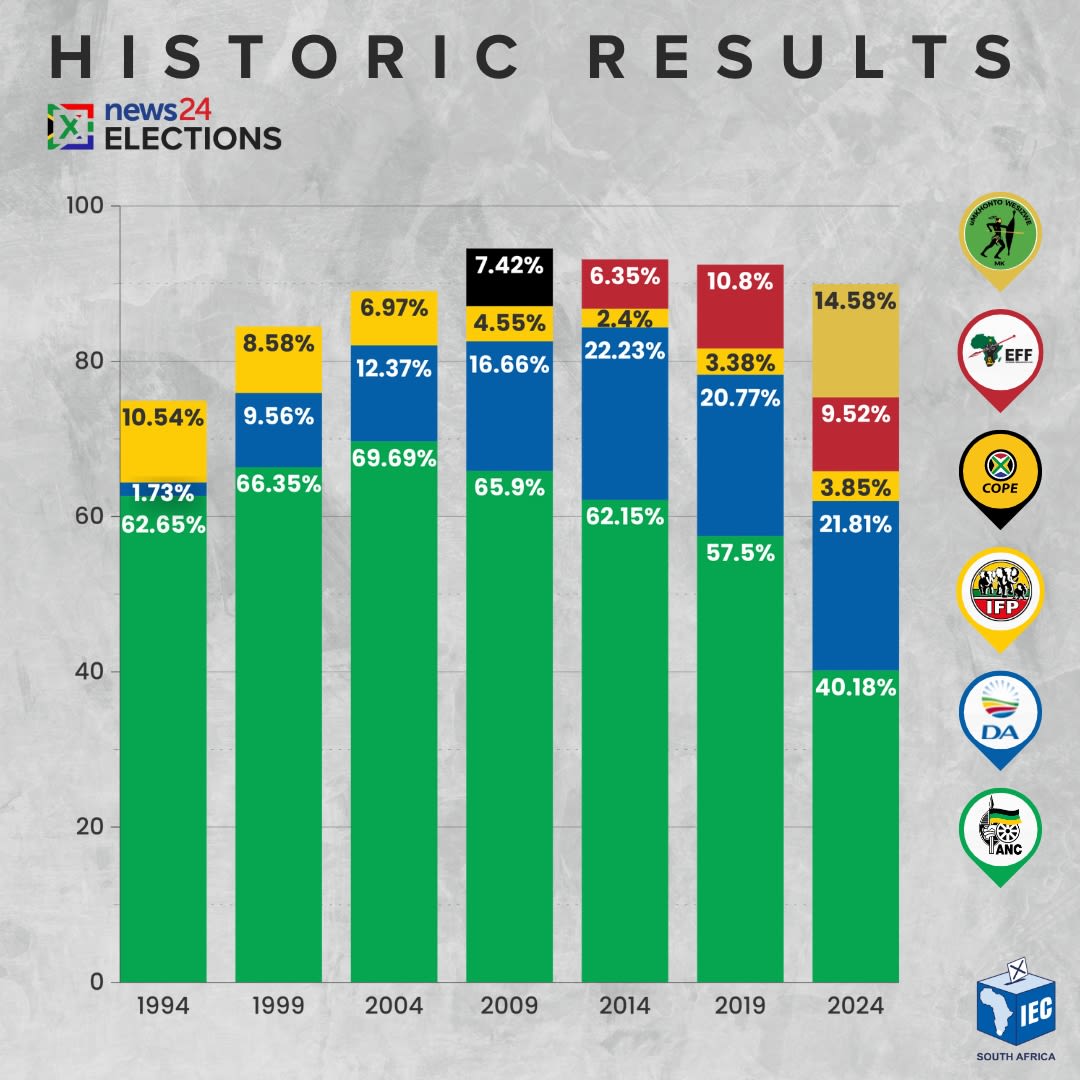
The 2024 general election in South Africa had been termed a "watershed" election for months before South Africans cast their votes. Pollsters, experts, and even some within the ANC warned that the party could lose its outright majority, and for the first time in 30 years, the ANC failed to exceed 40%.
The results, as declared on 2 June, ushered in a new era in South African politics.
Since 1994, the establishment of the democratic dispensation, the country has been under a single party’s rule – the ANC. However, this changed when the Electoral Commission of South Africa announced the final results, revealing that for the first time in 30 years, the ANC had lost the majority power to govern South Africa.
Going into the elections, and even before that, the signs were already there that the liberation movement was losing its grip on power.
If anything, the ANC’s loss of control in some of the crucial metros, including the City of Johannesburg, in 2021 was one of the most significant warning signs. It was also not a secret that even the party's loyal supporters were starting to lose faith in their once "glorious movement" because of the actions of their comrades.
The ANC must have known that its chances going into the elections were not great, but it needed to remain optimistic. Even a massive campaign two weeks before South Africans headed to the polls was insufficient.
At these rallies, party president Cyril Ramaphosa preached a positive message that the ANC would remain in power "whether they like it or not". He had to appear positive and give a message of hope to party supporters even as he also saw that the party's chances were slim.
The May 2024 elections happened at a time when the ANC was at its weakest. Former president Jacob Zuma's announcement that he would not campaign for the party and would instead support his party, the MK Party (MKP), created an even bigger nightmare for the ANC.
The MK Party – armed with the ANC's history and its colours and backed by one of its most popular former presidents – did not only go on to become the third largest party in South Africa after the May 2024 elections, but it massacred the ANC in KwaZulu-Natal.
With 40% of the votes after the elections, with no majority, the ANC had to make a decision that would be in the best interest of the country, and on 6 June, after the party's national executive committee meeting, Ramaphosa announced that the ANC had reviewed its options and had decided to form a government of national unity (GNU).
After that announcement, the ANC, the party with the most extensive support, assumed the role of leader of the GNU and began talks with different political parties.
Some outright rejected the proposition, while others, including the longest-running official opposition party and the ANC’s long-time nemesis, the DA, accepted the offer to work with the ANC.
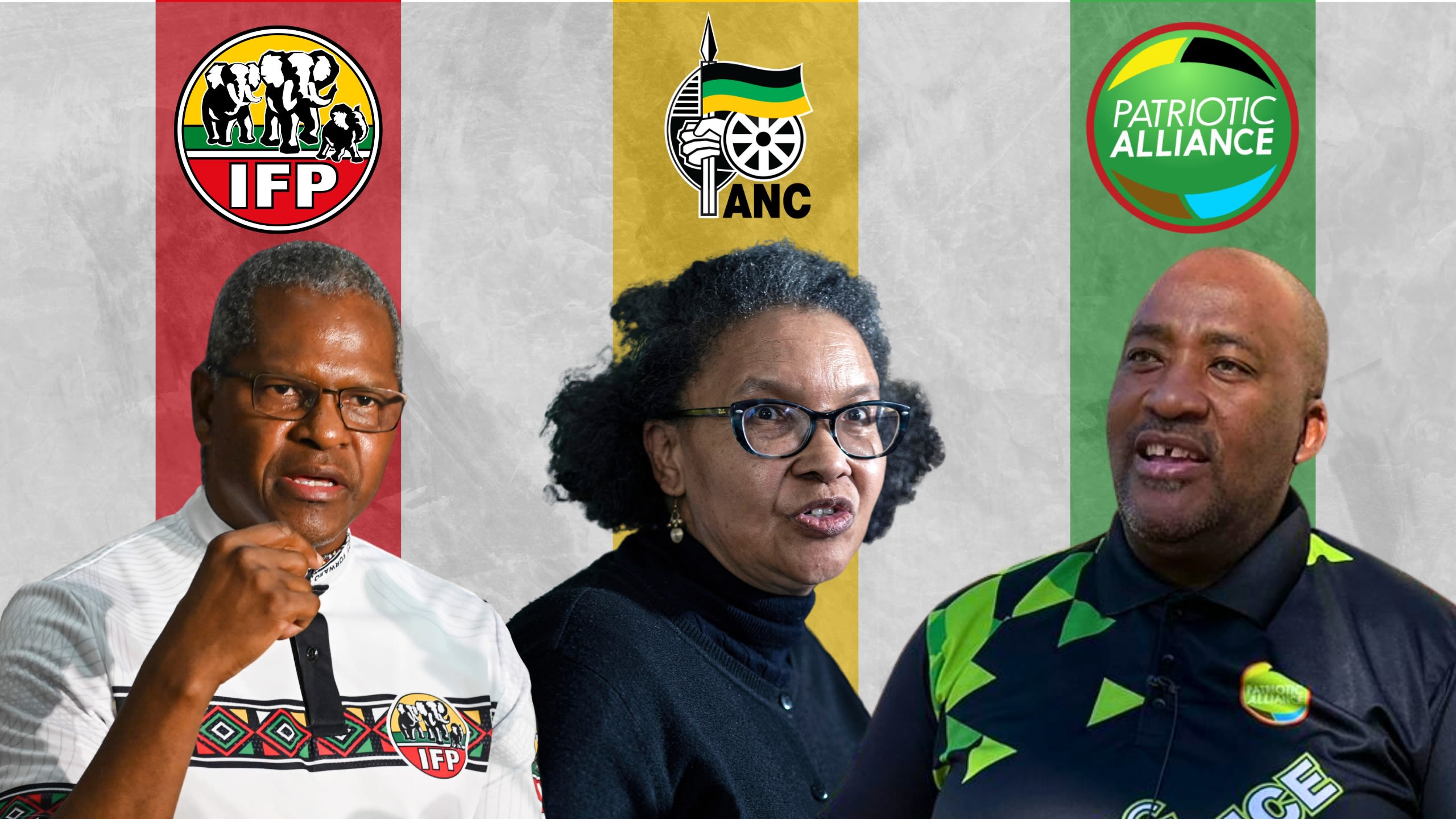
Other smaller parties, such as the IFP and the PAC, also joined the GNU.
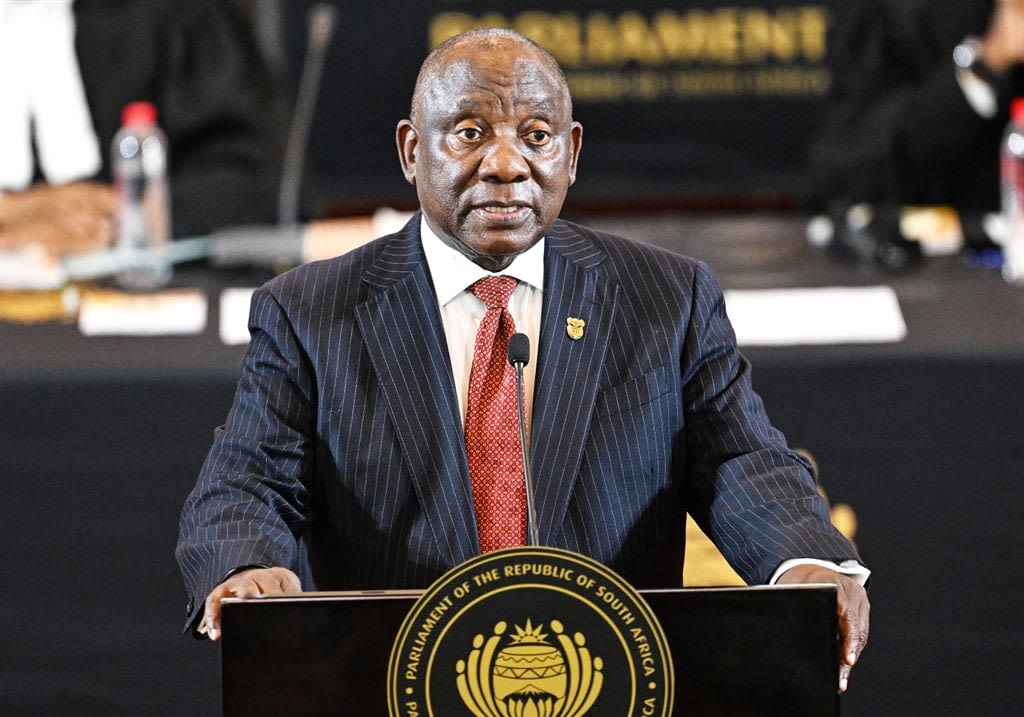
Ramaphosa's re-election as president on 14 June was not without drama, including reports that a deal had been agreed upon just moments before the election. He was also not the only presidential candidate before Parliament. On 30 June, Ramaphosa announced his new bloated executive, featuring at least 10 parties.
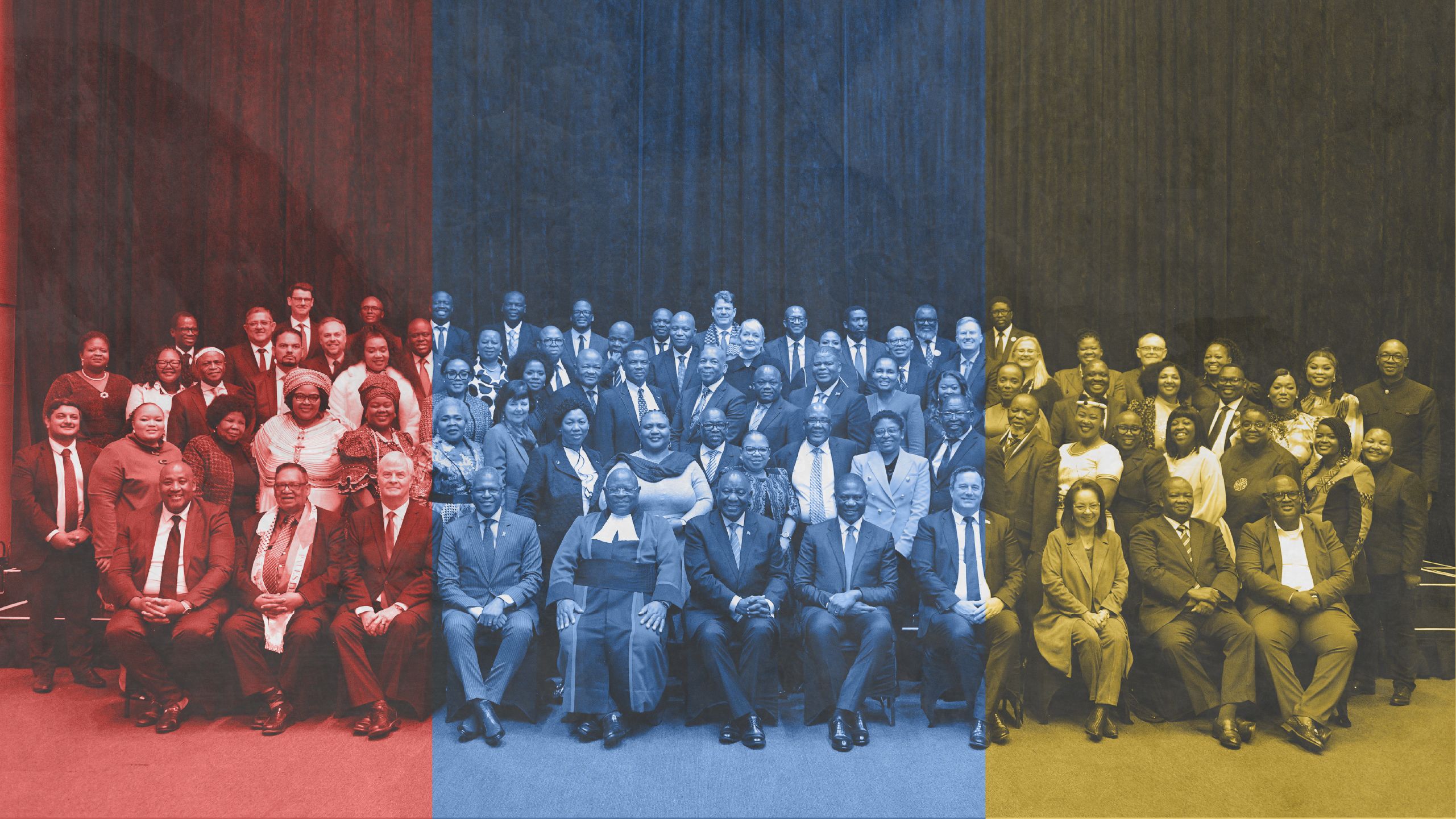
Since then, South Africa has been under GNU rule for 100 days. In this coverage, News24 takes stock, looking at the past three months of the GNU: the highs, the lows, and the in-betweens of what has come to characterise this new era in our country.



GNU will last for five years - ministers
More than 100 days after its formation, the government of national unity has been tested. Political party heads have sparred, hurled insults, and dared their new partners in government to leave if they wished to. Even so, those within the GNU are confident it is here to stay, write Siyamtanda Capa and Amanda Khoza.
Despite a turbulent take-off, uncertainty, and the ANC's expression behind closed doors that its ministers were making the party look bad because other parties, particularly the DA, were outperforming them, ministers within the government of national unity (GNU) said there was no competition among them and that the formation would last beyond five years.
One hundred days after the GNU was formed, ministers and their deputies who were once on opposite sides are working alongside each other and even complimenting each other.
This was according to ministers who spoke to News24 when the GNU reached the 100-day mark.
Now that GNU's 100-day 'honeymoon is over', Ramaphosa's leadership faces crucial test, experts say
By Amanda Khoza
President Cyril Ramaphosa is often described as an indecisive leader who over-consults and borders on dilly-dallying.
But those who work closely with him in the government of national unity (GNU) argue that his slow-to-act approach has proven to be what the GNU needed to take off and stay on course.
Many of the newly appointed Cabinet ministers have said "Ramaphosa is the glue" that has kept the GNU together and are confident that it will not collapse under his leadership.
On Tuesday, Ramaphosa praised the collaboration within his Cabinet as the GNU reaches its 100-day milestone.
GNU's first three months: Laying the groundwork for the next five years
By Siyamtanda Capa
Political parties that merged with the ANC to form a government after the May elections agreed on a basic minimum programme of priorities.
The parties explained that the priorities laid out in the statement of intent would guide them in determining what the government of national unity (GNU) will be prioritising under the seventh administration.
From rapid inclusive and sustainable economic growth to creation, transformation, land reform, infrastructure development, reviewing the role of traditional leadership, and bolstering law enforcement to address crime, among others - the basic plan for the next five years was laid out.
Though most of the basic priorities cannot be realised in 100 days, the expectation was to lay the groundwork, and News24 spoke to some ministers about some of the work done in their first 100 days in office.
The glue that binds the GNU
The product of frantic, hurried negotiations after a bombshell election, the government of national unity appears to be held together, more than anything else, by a mutual realisation that an alternative arrangement would be the death knell for South African democracy, writes parliamentary journalist Jan Gerber.
As soon-to-be-sworn-in MPs filtered into the Cape Town International Convention Centre on Friday, 14 June 2024, it was far from clear how that day would play out, in sharp contrast to previous first sittings of the National Assembly.
After previous elections, it was certain what the outcome of the first sitting would be: Speaker; ANC deputy speaker; ANC president.
But the elections barely two weeks before 14 June razed to ashes any notion of predictability in South African politics.
The smart money was on some form of power-sharing arrangement between the two biggest parties – the ANC and DA. But the deal was far from done; an outcome which could result in a deputy president Julius Malema or finance minister Floyd Shivambu was still conceivable.

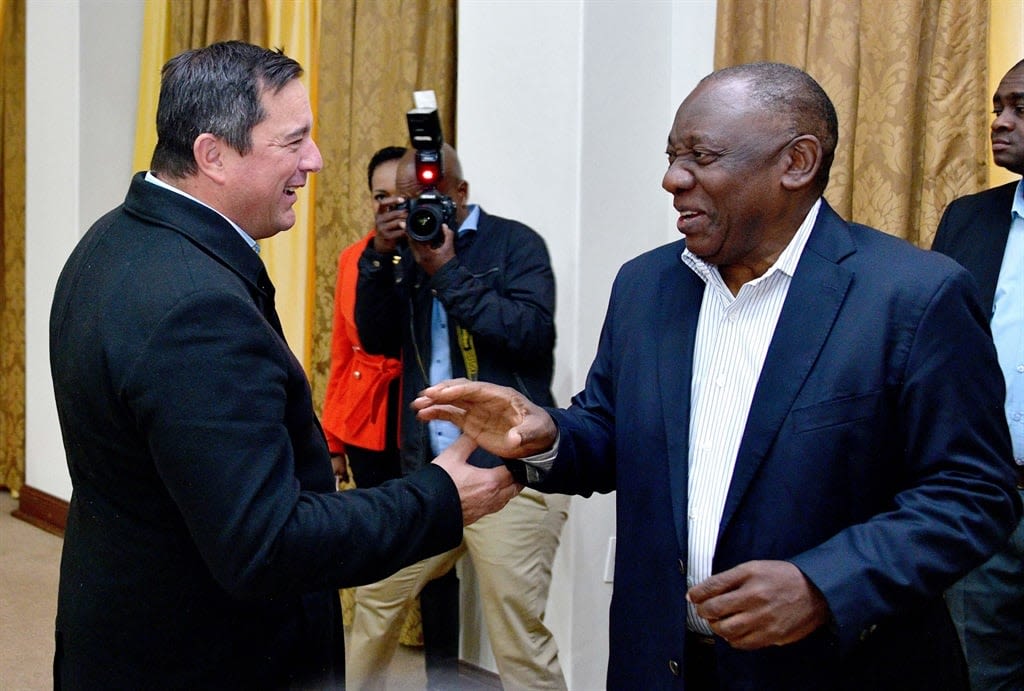


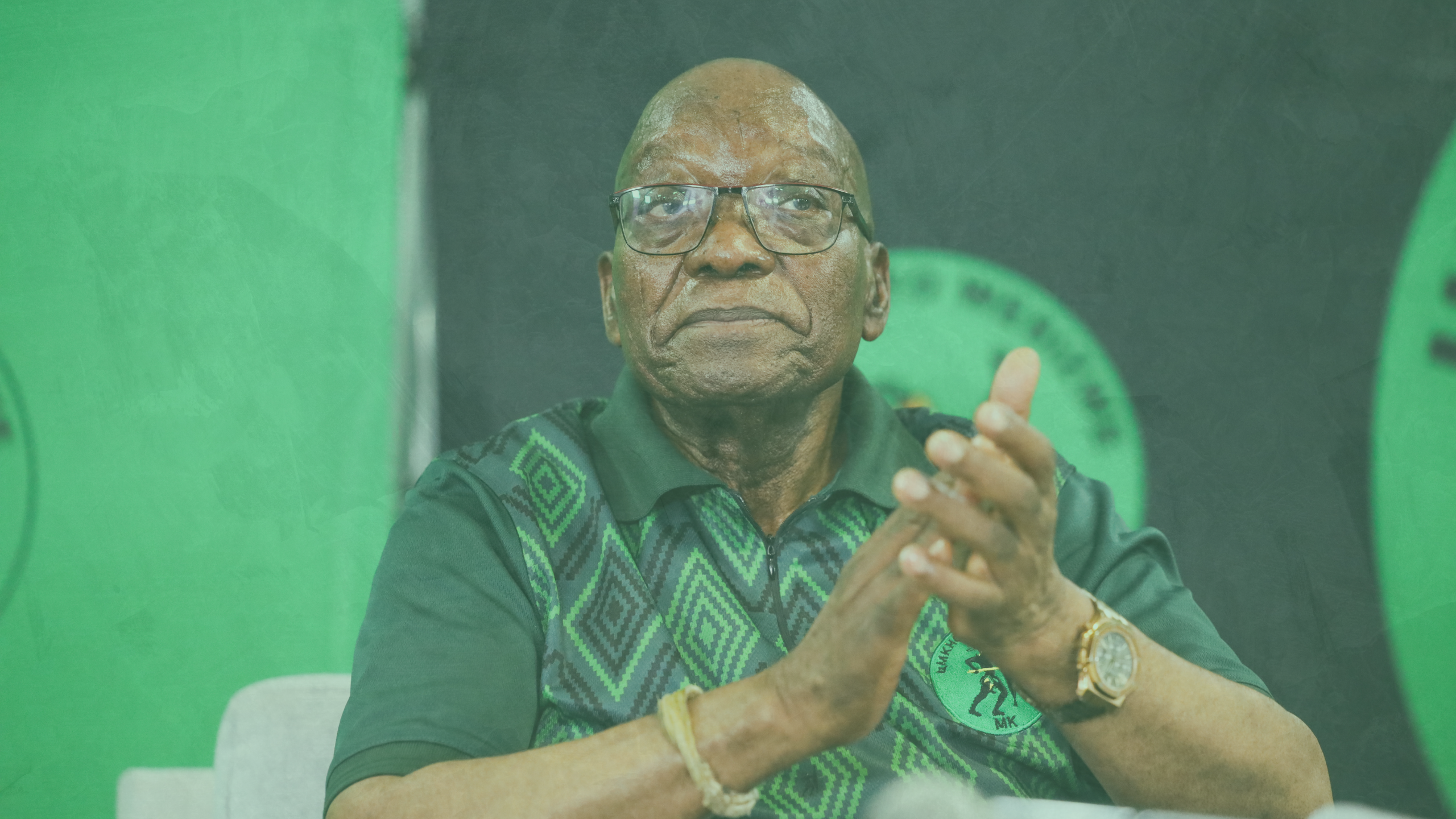
The opposition to the GNU
By Jan Gerber
While the government of national unity (GNU) has been hailed a game changer for South African politics, not everyone's enthused by the idea.
The opposition to the GNU can be classified as ideological – coming from within the alliance and from populist parties – and on more practical terms, from parties that want to see a strong opposition. The ideological opposition is based on the notion that the ANC – the former liberation movement – "sold out" by working with the "oppressor" – mostly in reference to the DA and FF Plus – to serve a "neo-liberal agenda", or in service of "white monopoly capital", as Bell Pottinger used to call it.
As the GNU began to take shape, so too did the so-called progressive caucus – a group of populist parties, the MK Party (MKP), EFF, ATM, National Coloured Congress and United Africans Transformation.
The DA's participation in the GNU means that corruption-accused former president Jacob Zuma's MKP is now the official opposition.
MK Party's 100 days in Parliament: New opposition aims to keep 'nipping at the heels of the GNU'
By Jason Felix
The MK Party is now the official opposition in Parliament.
It replaced the DA, who had held the position for the last two decades.
We are now 100 days into South Africa's government of national unity (GNU) - and, on the flip-side, the MK Party celebrates the same milestone as the official opposition.
With the DA and most other opposition parties now part of the GNU, the MK Party became the official opposition, with John Hlophe, the party's deputy president, becoming its leader in Parliament.
The party's goal is clear: define itself as an opposition to keep the GNU on its toes. It has, so far, not done anything major and appears to be still finding its feet in Parliament.
GNU in Parliament: Collaboration shows promise, but uncertain challenges lie ahead
With 10 political parties representing the government of national unity in the National Assembly, the never-ending task will be to keep everyone happy, writes parliamentary reporter Jason Felix.
Nearly 100 days of the government of national unity has breathed new life into the country's political landscape.
The national executive is made up of several political parties, and with that, Parliament's 30-year-old image has undergone significant changes. In a momentous breakaway from the past, the ANC no longer dominates the engine rooms of Parliament.
The DA, which occupied opposition benches for decades is now part of the GNU. The party has somewhat changed its attitude against the ANC, speaking in a "softer" tone about its coalition partner. On the other side, sits the opposition under the auspices of the Progressive Caucus made up of five parties - the MK Party, EFF, ATM, NCC and UAT.


Inside KZN GPU's first 100 days: Expectations for services, clean-up ops, political and ideology dynamics
By Soyiso Maliti
KwaZulu-Natal's first 100 days of the government of provincial unity (GPU) have been characterised by expectations for service delivery, speculation of inter-party scheming to get the MK Party (MKP) into power in the province, allegations of grand corruption in the sixth administration, the subsequent clean-up efforts, and even "dynamics" among GPU partners.
The GPU is born out of ANC-led talks that established the government of national unity after the party lost power in the general elections in May.
Premier Thami Ntuli's office told News24 that he would, on 9 October, table a report on the first 100 days of the GPU.
"The said report will focus not only on programmes that were undertaken as announced by the premier during the State of the Province Address but will also give details on the successful institutionalisation of the GPU," his office said.
ANC provincial secretary Bheki Mtolo may not be in government but he played a key role in the formation of the GPU.
He said: "We must deliver in five years, not in 100 days, which is not even a quarter of the five-year term."
The GPU has faced serious hurdles in its first 100 days.
FRIDAY BRIEFING | 100 days of the GNU: Stable, with a chance of friction
Some people regard marking 100 days of being in office as somewhat arbitrary. A top Obama aide once called it a '"Hallmark holiday", indicating its gets lots of attention, but holds little significance.
Interest in it came to the fore when former US President Franklin D Roosevelt made some breathtaking legislative and regulatory changes in his first 100 days in office between 1932 and 1933. Ever since then, presidents have been evaluated on their performance in the first 100 days.
In this week's Friday Briefing, we reflect on the stability of the GNU as it approaches its first 100 days.
GNU: A timeline
2 June 2024: ANC loses its majority for the first time since 1994, and drops to 40%.

6 June 2024: ANC president Cyril Ramaphosa announces that the party has decided on a government of national unity after failing to win a majority in the May 2024 elections.
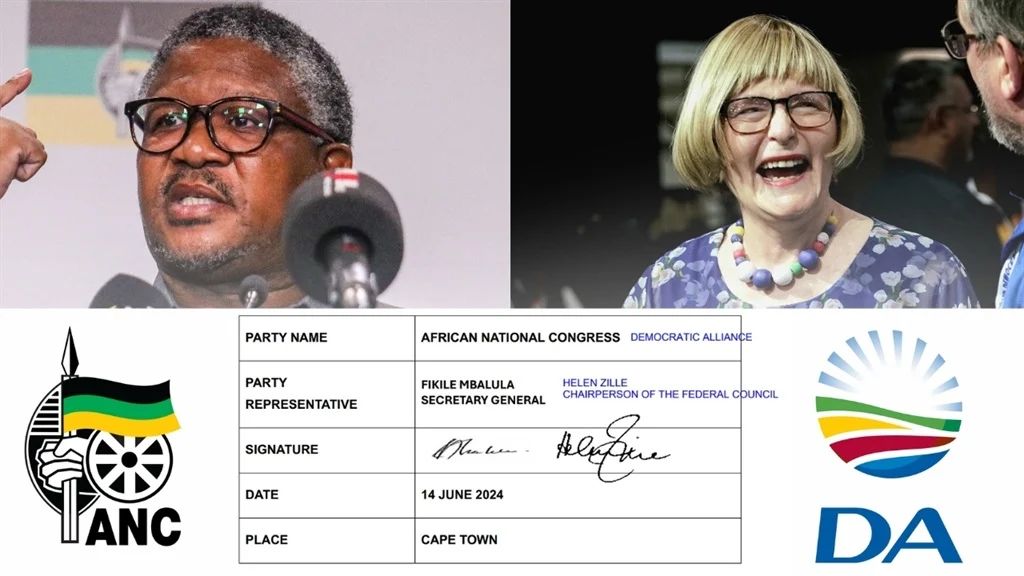
14 June 2024: The DA, IFP, and ANC sign the statement of intent to be part of the GNU.



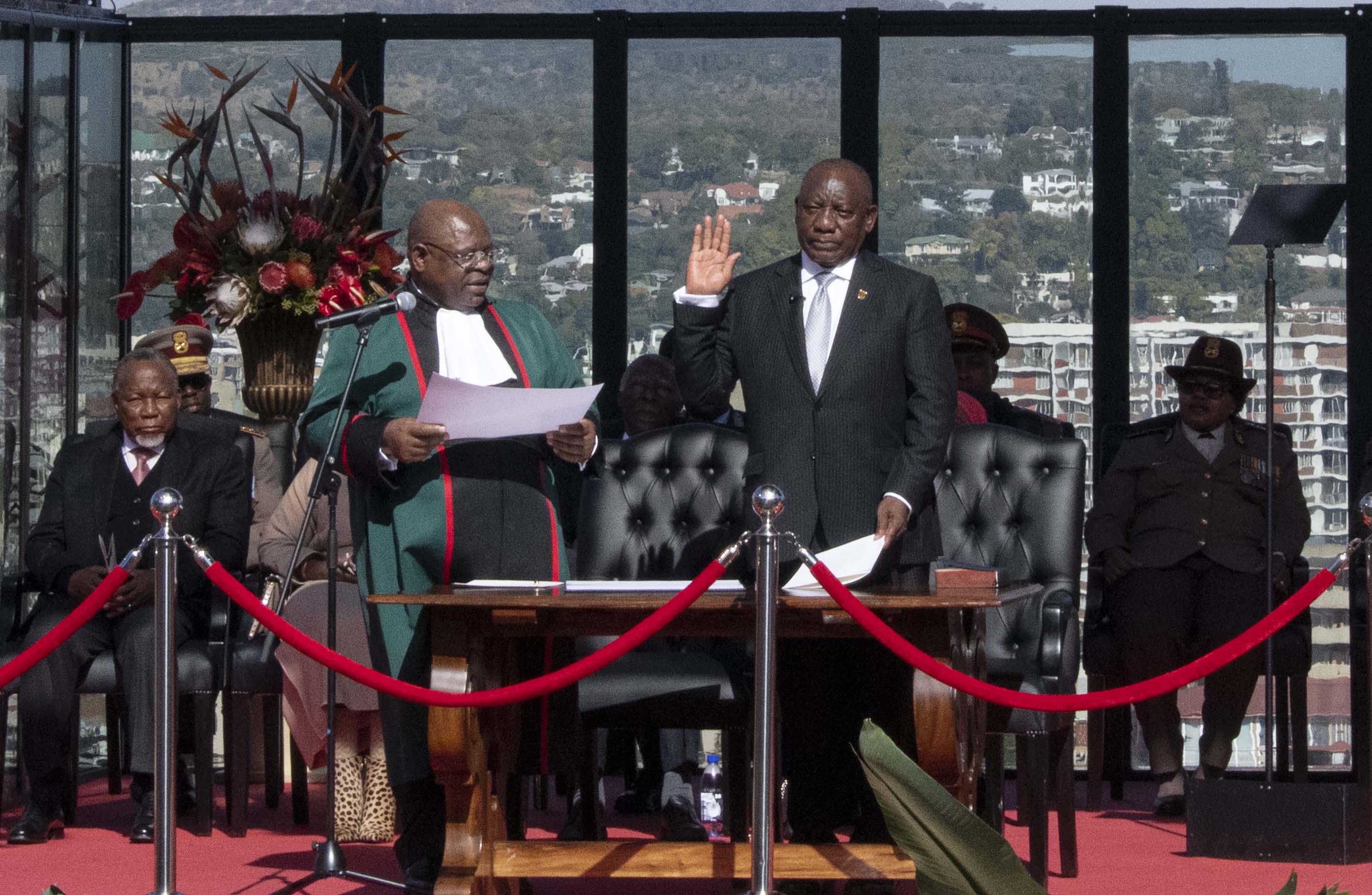


14 June 2024: First sitting of Parliament following the May 2024 general elections.
President Cyril Ramaphosa is re-elected to serve a second term as president. Thoko Didiza is elected as the National Assembly Speaker, while DA MP Annelie Lotriet is elected as Deputy Speaker of the National Assembly.
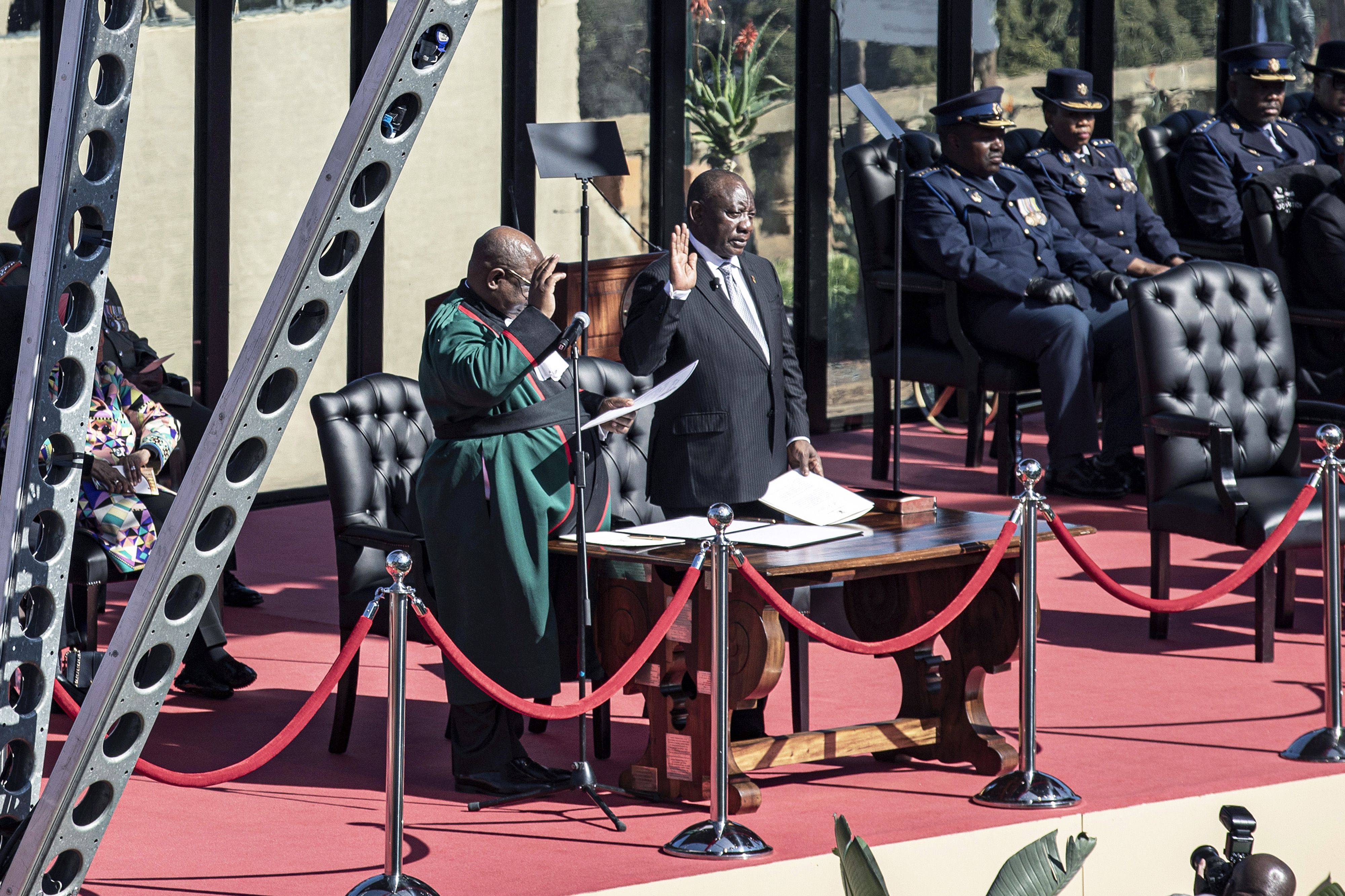
19 June 2024: President Cyril Ramaphosa is inaugurated.
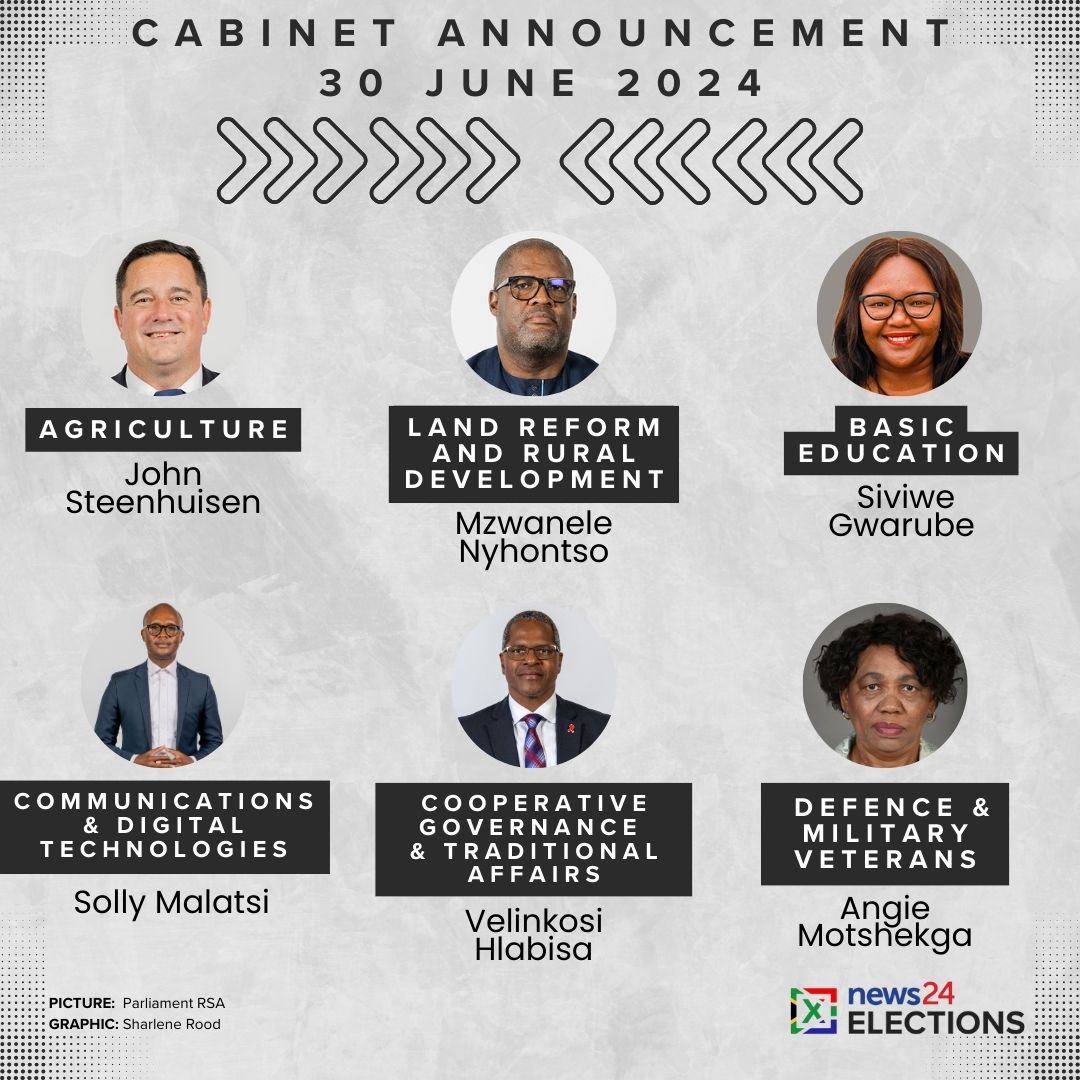
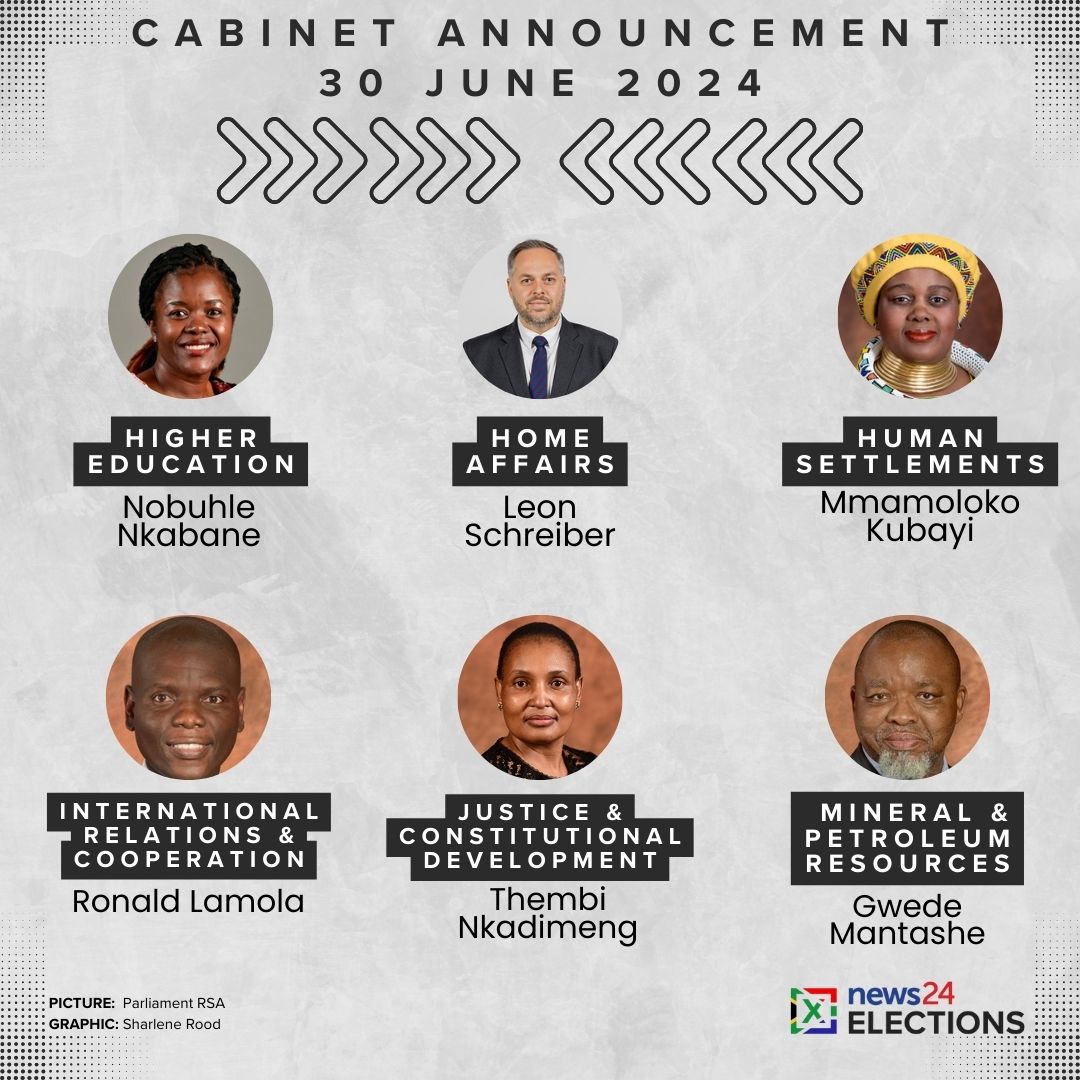
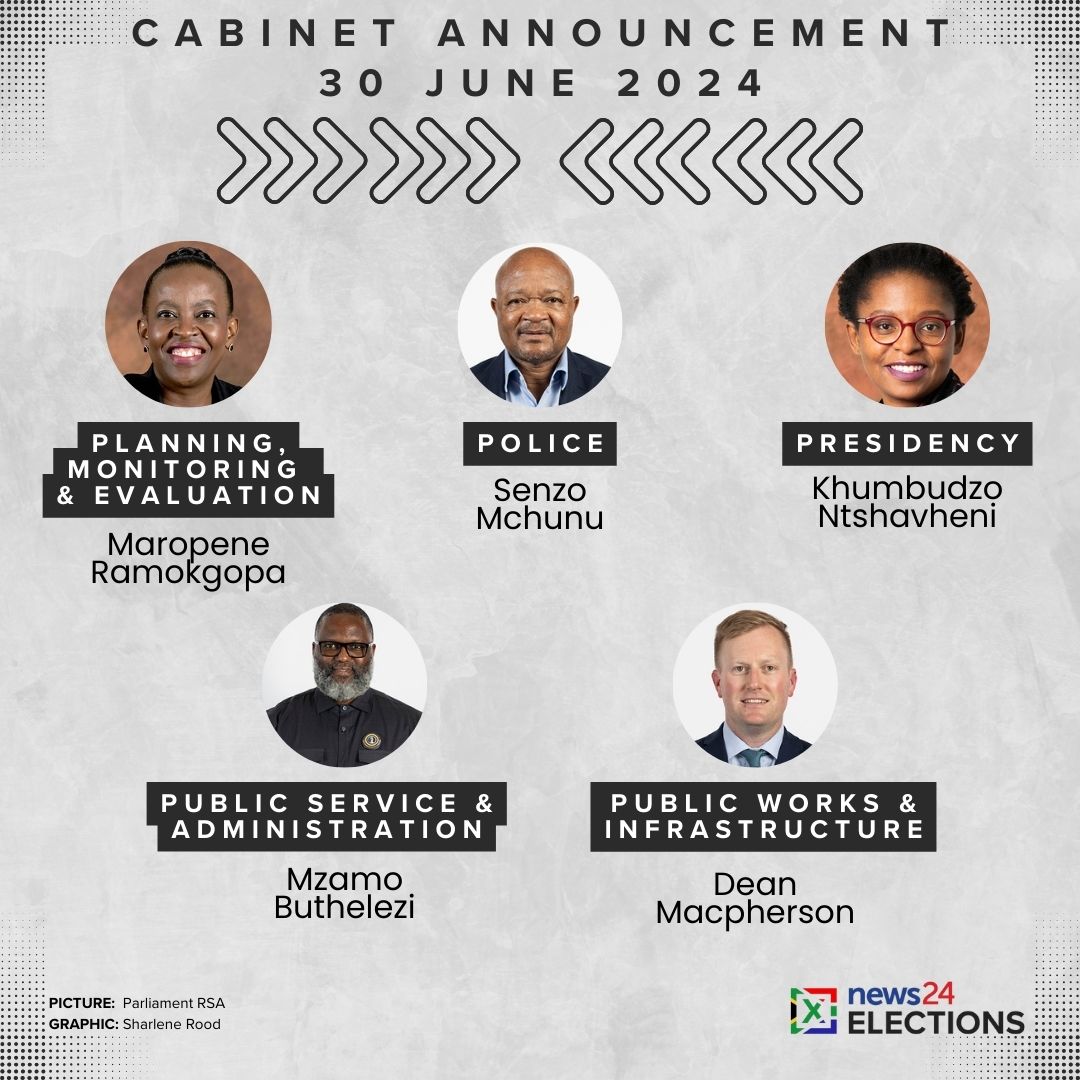
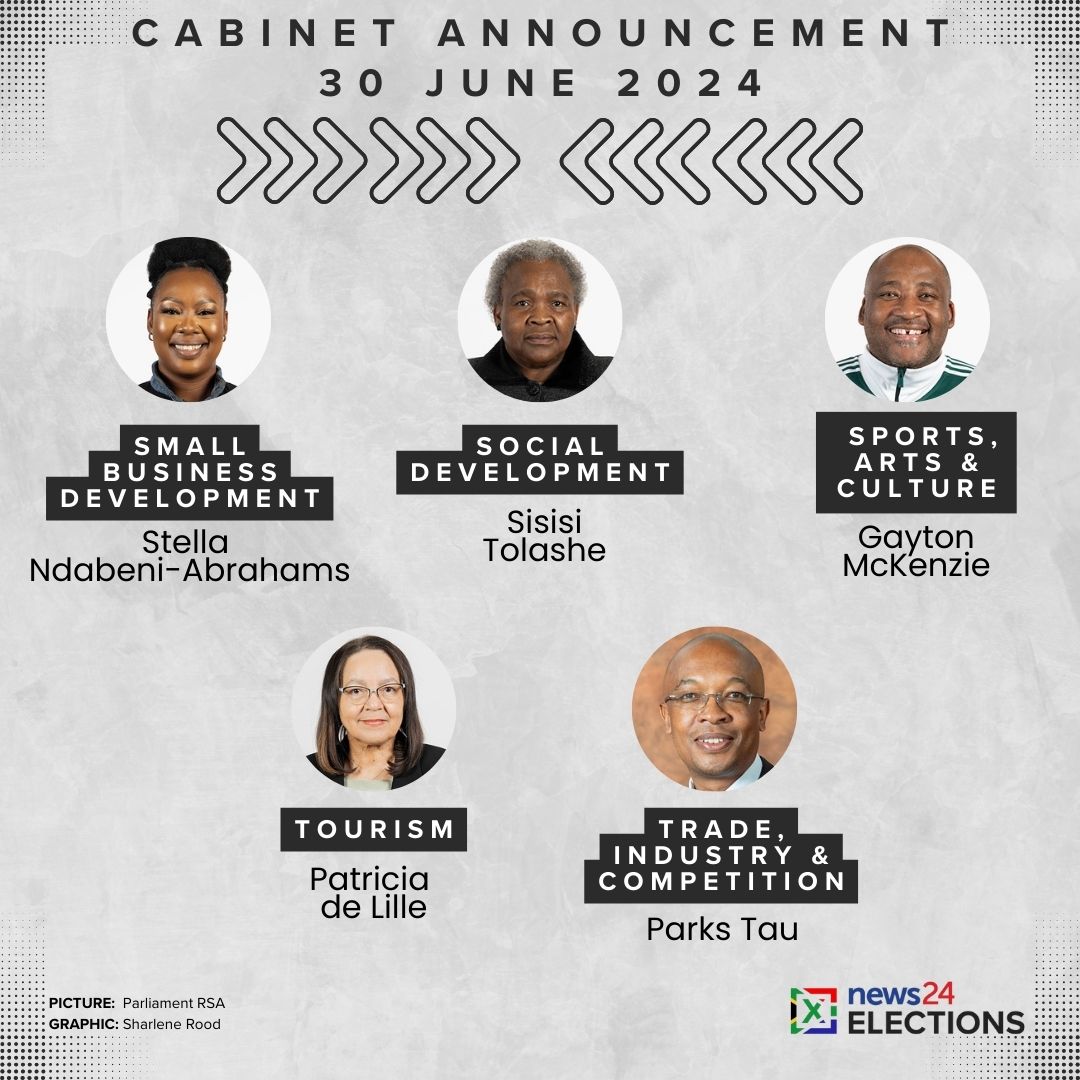
30 June 2024: President Cyril Ramaphosa announces his national executive comprised of the DA, IFP, PA, Al Jama-Ah, GOOD, and the Patriotic Alliance.
3 July 2024: Swearing-in of new ministers and deputy ministers.
13 July 2024: First GNU Cabinet lekgotla.

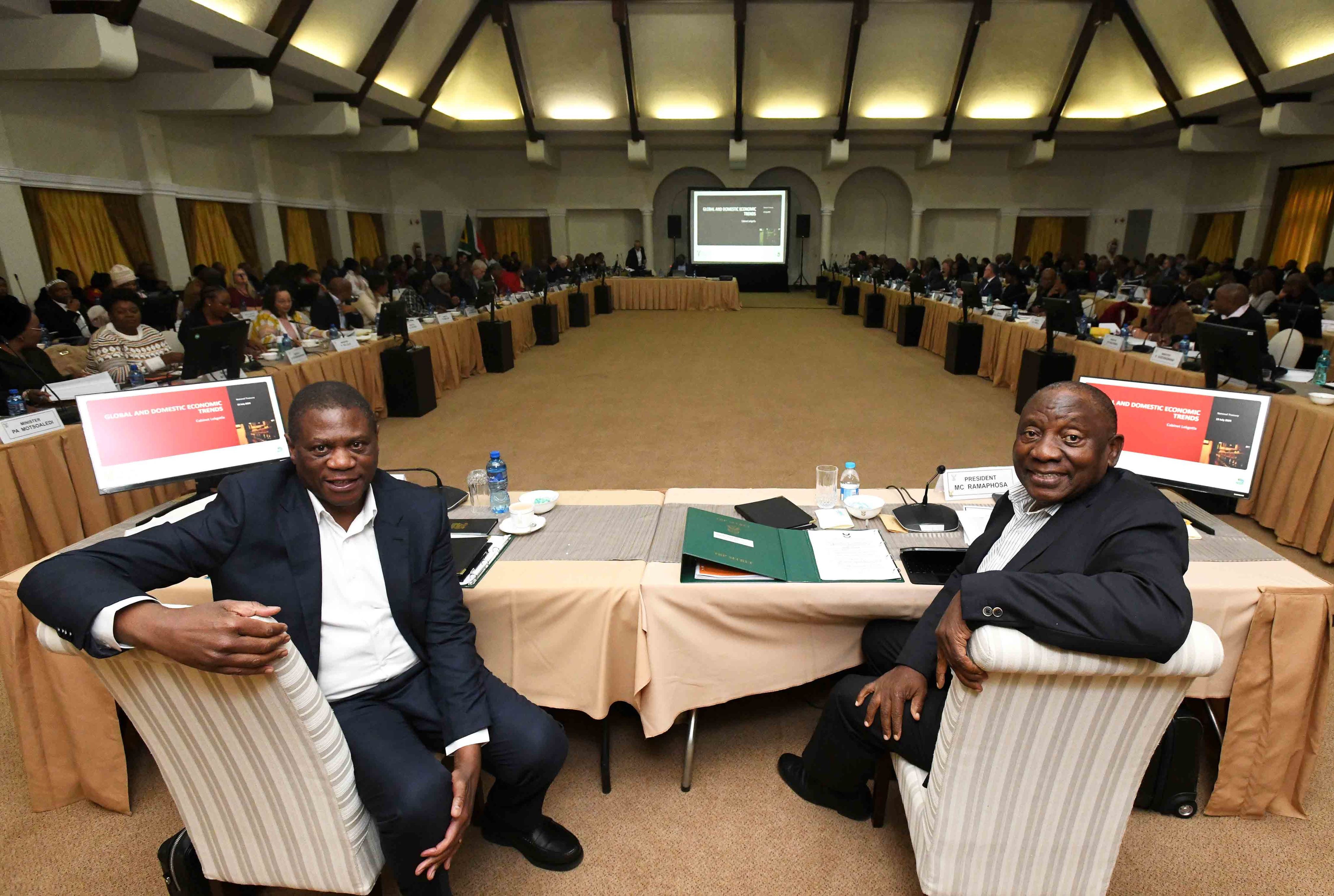
18 July 2024: President Cyril Ramaphosa addresses the opening of the 7th Parliament.
7 August 2024: First GNU Cabinet meeting.
11 September 2024: The first major obstacle in the GNU arises as the DA objects to President Cyril Ramaphosa signing the Basic Education Laws Amendment (BELA) Bill into law.
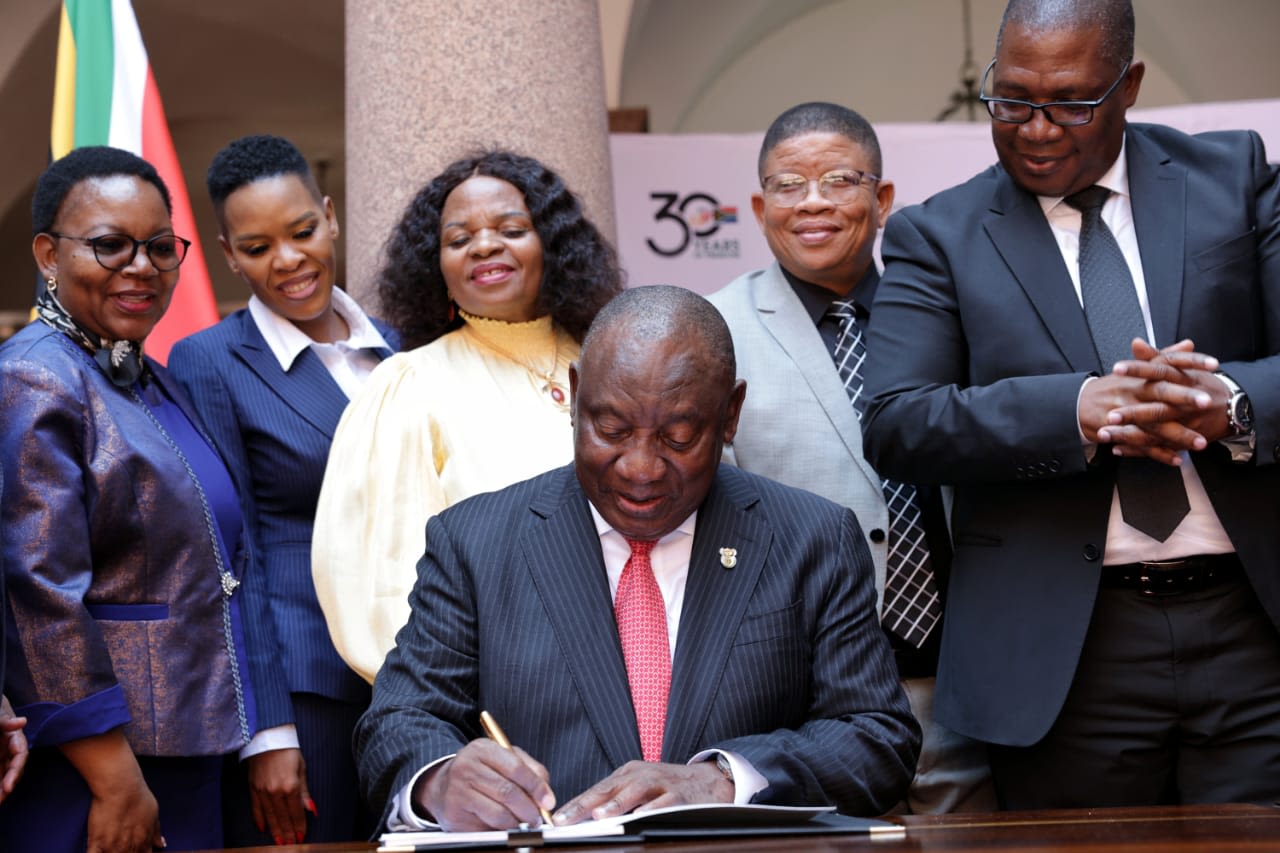
13 September 2024: President Cyril Ramaphosa signs the BELA Bill into law at the Union Buildings, but Basic Education Minister Siviwe Gwarube, a DA member, is a no-show. On the same day, the DA also announces that it has instructed its lawyers to go to court over the BELA Act.

Compiled: Bongekile Macupe
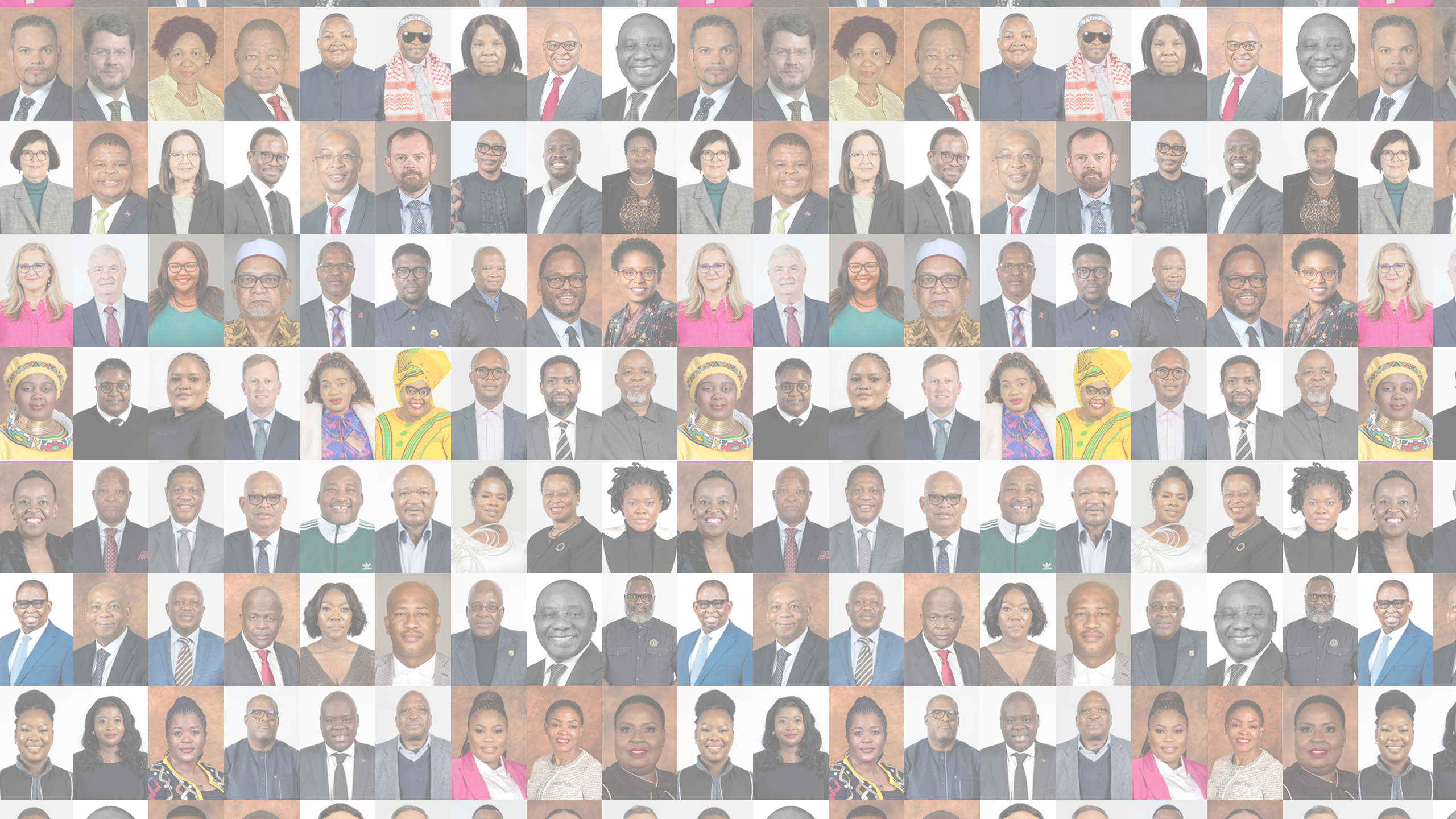
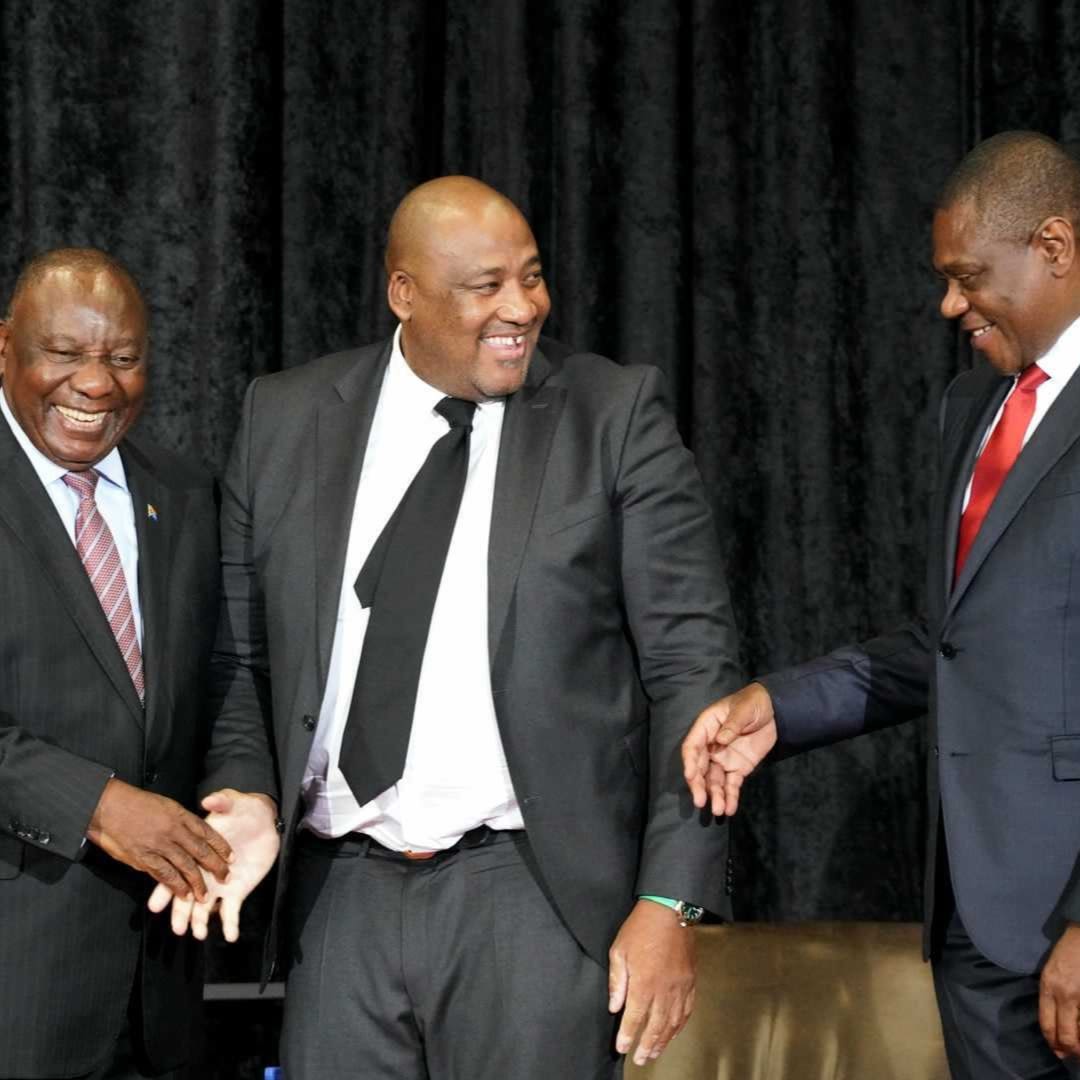
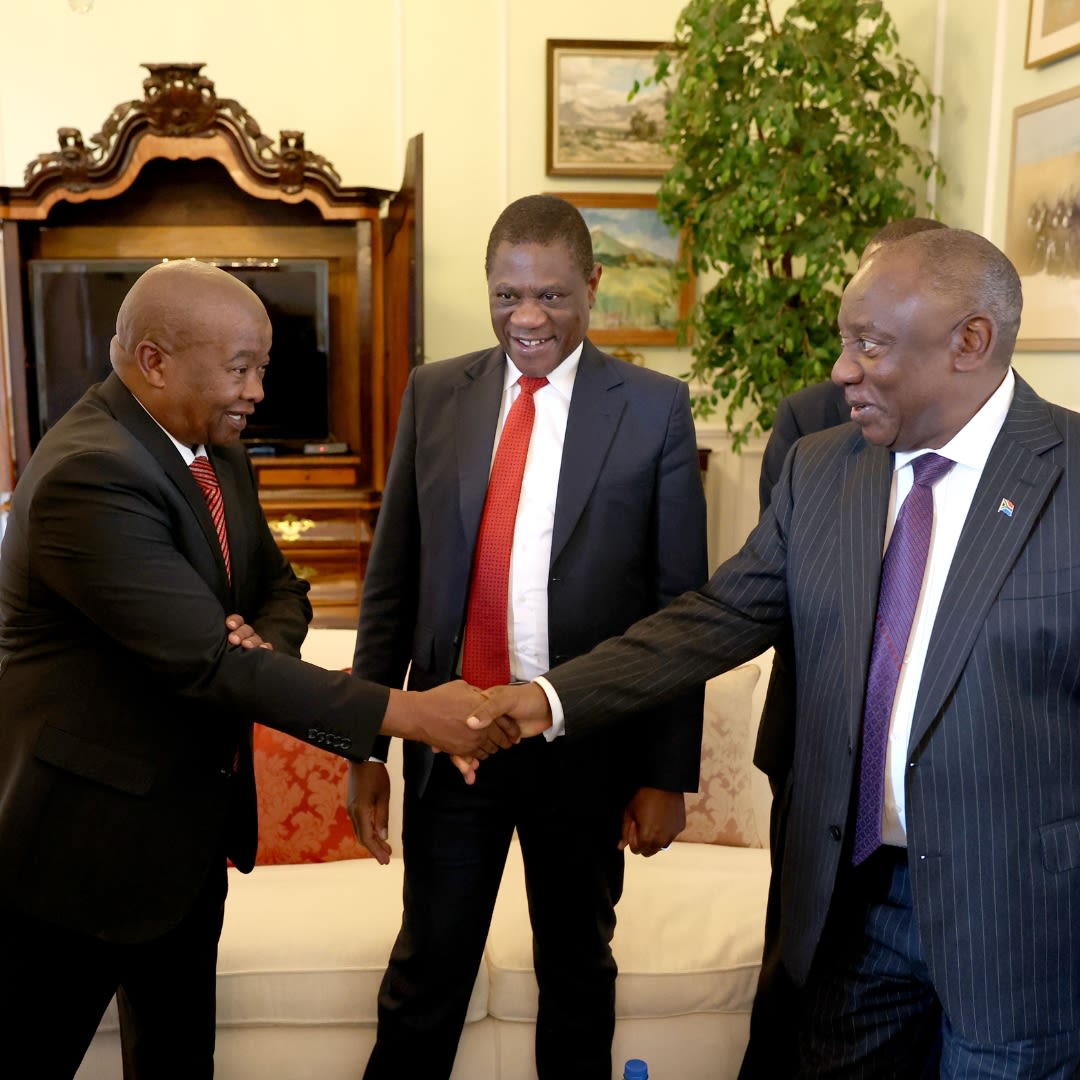
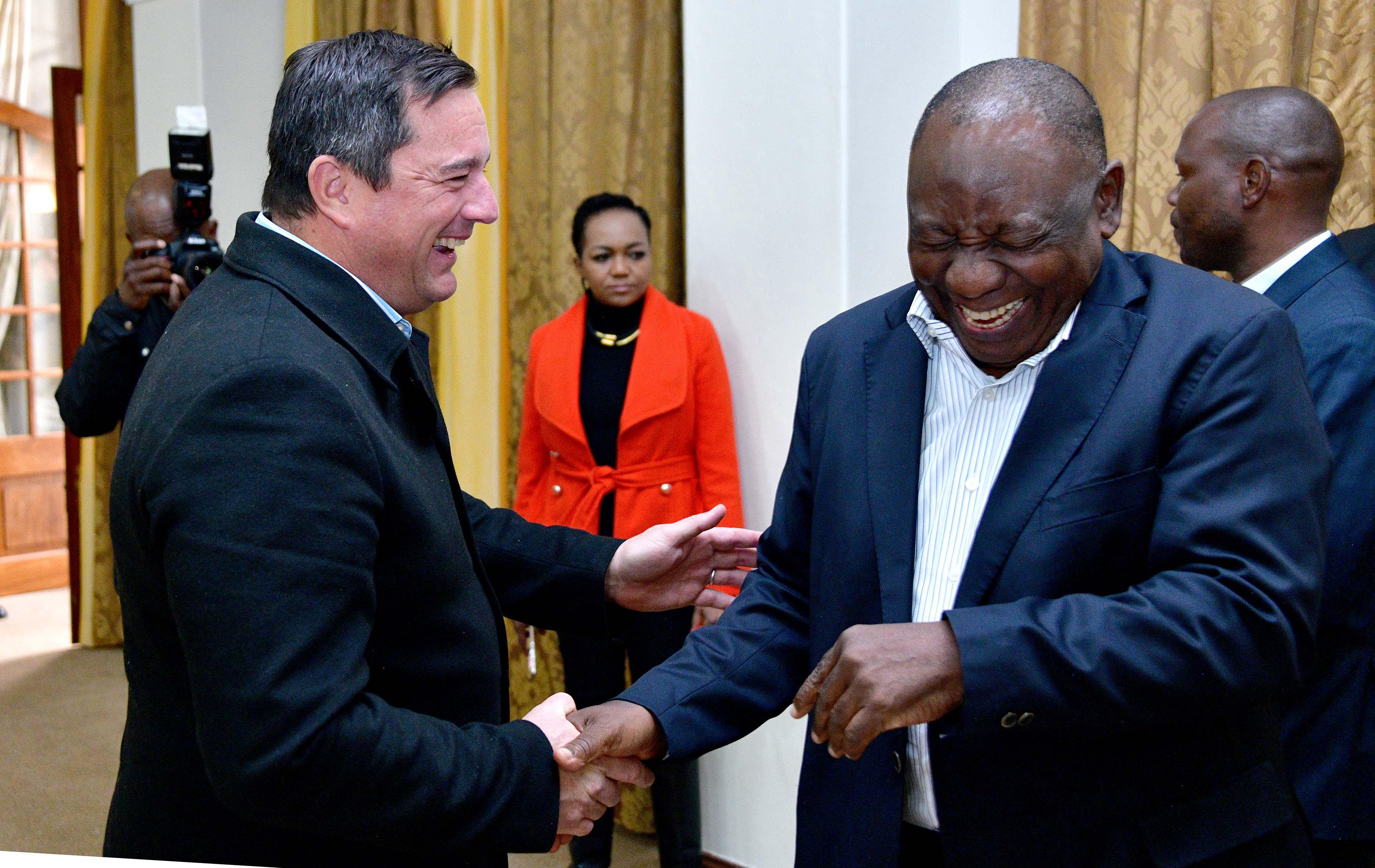
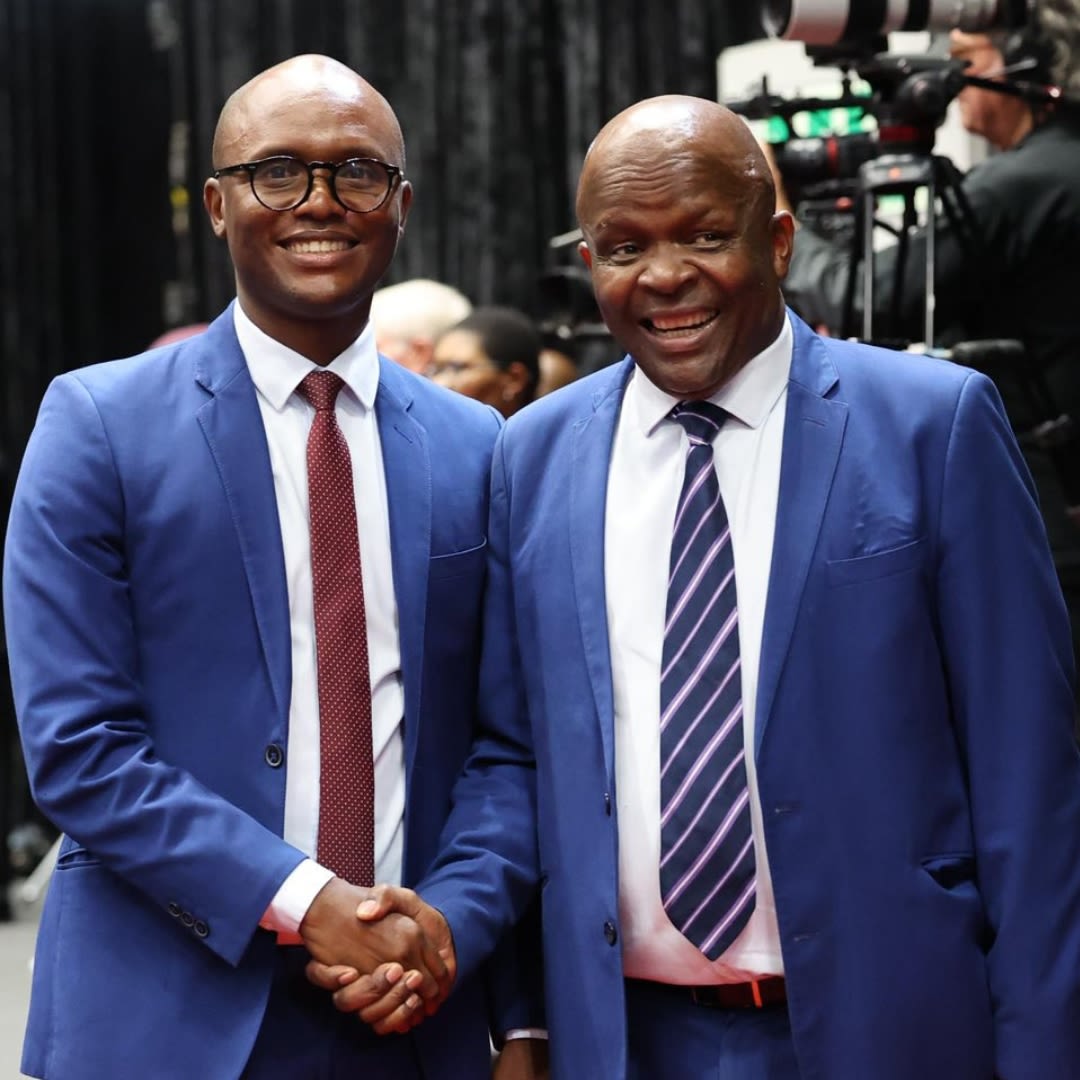
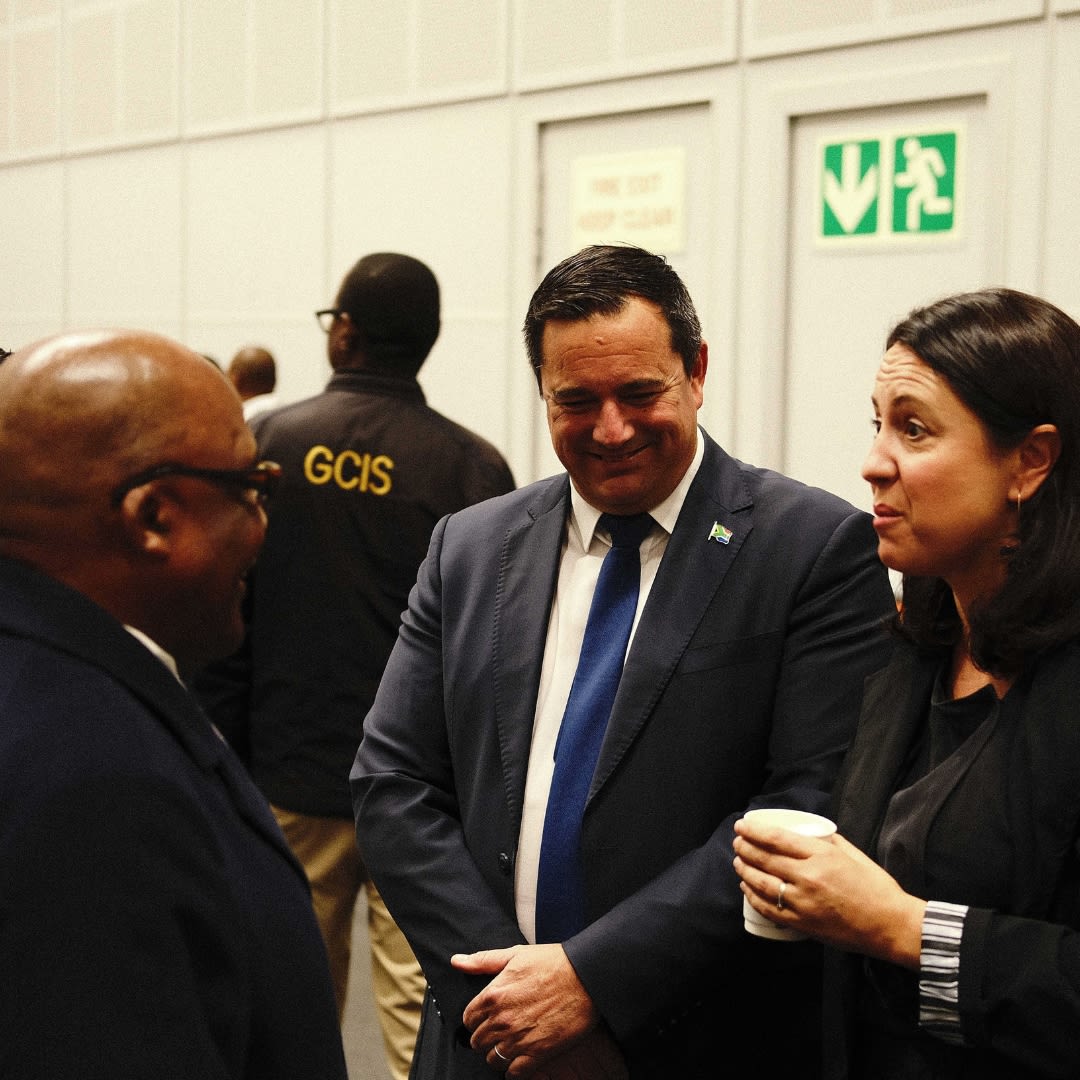
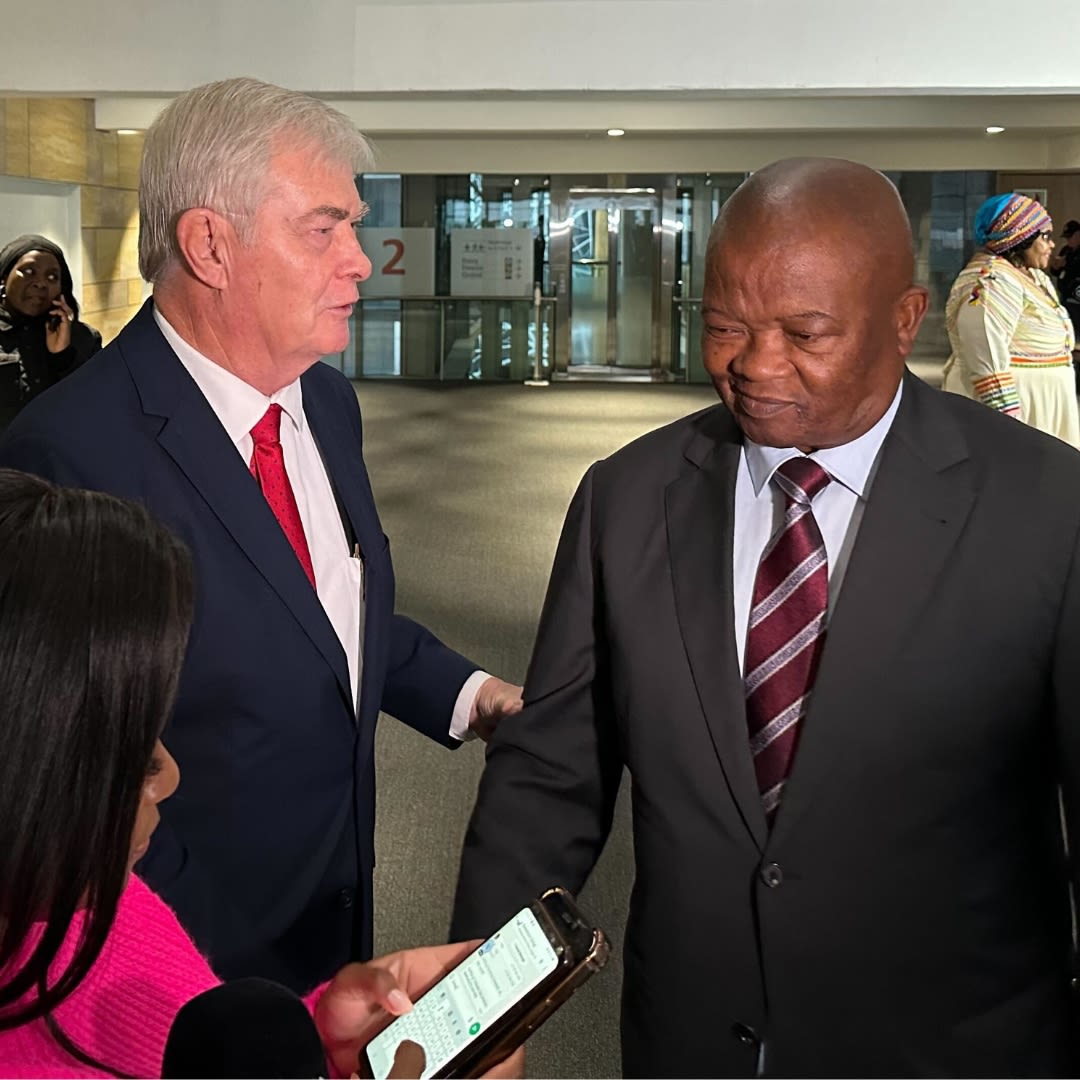
The GNU Cabinet




Your support affords us the time and resources to produce rich, in-depth journalism that matters.
Journalists: Siyamtanda Capa | Amanda Khoza |
Jan Gerber | Jason Felix | Soyiso Maliti
News24 Deputy Politics Editor: Bongekile Macupe
Production and design: Sharlene Rood
Photo credits: GCIS; Parliament RSA; The Presidency; Darren Stewart | Gallo Images; Per-Anders Pettersson | Getty Images; Jason Felix | News24; Jeffrey Abrahams | Gallo Images; OJ Koloti | Gallo Images; Frennie Shivambu | Gallo Images; Brenton Geach | Gallo Images; Tebogo Letsie | Gallo Images | City Press; Fani Mahuntsi | Gallo Images; Luba Lesolle | Gallo Images; Alfonso Nqunjana | News24; Luke Daniel | News24; Jan Gerber | News24; @SollyMalatsi | X; @Kgosientsho_R | X; Siyabulela Duda | GCIS; Phando Jikelo/Parliament of SA.

 Built with Shorthand